
Spiders in Your Home: Harmless Guests or Hidden Dangers?
Spiders have a way of showing up uninvited, whether it’s a web stretched across the corner of your bathroom ceiling or a quick blur darting under the couch. For most homeowners, the instinct is to grab a shoe. But before you do, it’s worth knowing that the vast majority of spiders sharing your space are completely harmless and actually working in your favor by eating the insects you really don’t want around. At Pest Busterzz, we’ve spent years helping families understand exactly what’s crawling in their homes so they can make smart, informed decisions rather than panic-driven ones.
The challenge isn’t just fear. It’s the fact that spiders all look a little threatening if you’re not trained to tell them apart. Eight legs, multiple eyes, and the occasional fang, it’s understandable why people treat every spider like a threat. But there’s a real and meaningful difference between a spider that belongs in your home’s ecosystem and one that puts your household at genuine risk. Understanding that difference is where peace of mind starts.
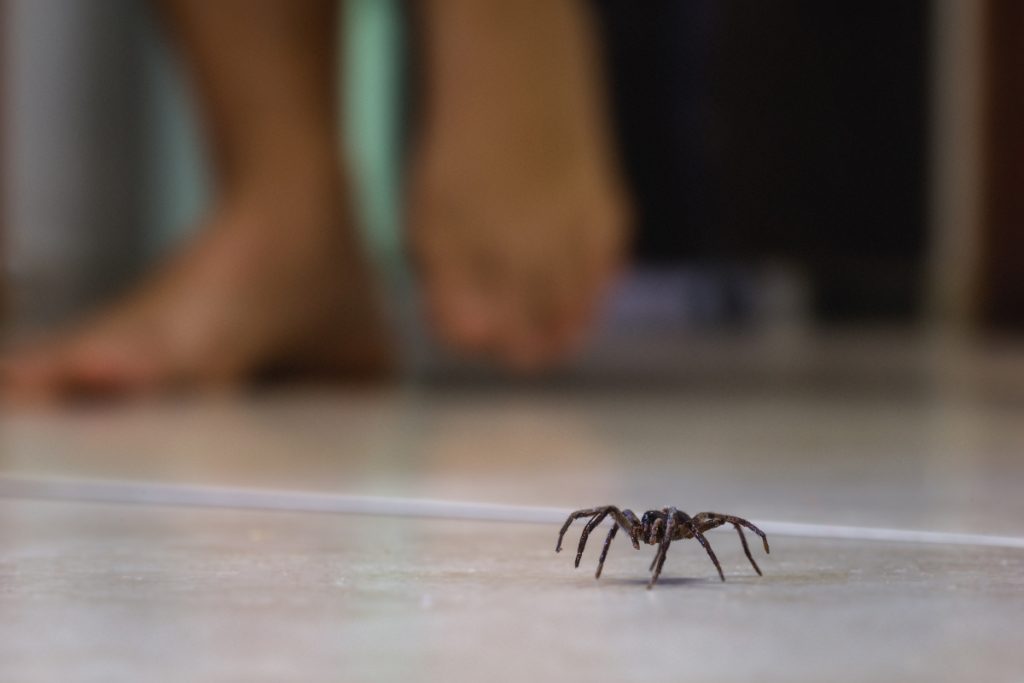
The House Spiders You Can Safely Leave Alone
Most of the spiders you’ll encounter indoors fall into a category researchers and pest professionals call “nuisance spiders.” They’re not dangerous to humans, they don’t damage your home’s structure, and many of them are quietly doing pest control work for free.
Common Cellar Spiders
Often mistaken for daddy longlegs, cellar spiders have pale, almost translucent bodies and extremely long, thin legs. They tend to build loose, irregular webs in corners, garages, and basements. Their venom is harmless to humans, and they’re known to actively catch and consume other insects including mosquitoes and gnats. A 2020 study published in the journal Arachnology confirmed that cellar spiders pose no medically significant threat to people.
American House Spiders
These are probably the most common spider you’ll find indoors. They’re small, brownish, and build messy cobwebs in undisturbed corners. They rarely bite, and when they do, the reaction is minimal, roughly comparable to a mild bee sting without the allergic risk for most people. Their webs can look untidy, but the spiders themselves are entirely benign.
Jumping Spiders
Compact, fuzzy, and surprisingly alert, jumping spiders are often described as the friendliest-looking spiders in North America. They’re curious by nature, have excellent vision, and are not aggressive toward humans. Their bites are rare and produce nothing more than brief local irritation. If you see one watching you from the windowsill, it’s more likely observing you out of curiosity than sizing you up as a threat.
The Spiders That Deserve a Closer Look
While most house spiders are harmless, two species found across the United States genuinely warrant concern and professional attention.
Black Widow Spiders
Black widows are among the most recognizable spiders in North America. The female, the one that poses the health risk, is glossy black with a distinctive red hourglass marking on the underside of her abdomen. They tend to prefer undisturbed areas like woodpiles, garages, crawlspaces, and cluttered storage rooms. Black widow venom is a neurotoxin, and while fatalities are rare thanks to modern medical care, bites can cause severe muscle cramping, nausea, and elevated blood pressure that require immediate medical attention. According to the American Association of Poison Control Centers, black widow bites account for thousands of calls annually in the U.S., making them a real and present concern.
Brown Recluse Spiders
Brown recluses are smaller and less dramatic looking than black widows, which makes them more dangerous in a practical sense because they’re easier to overlook. They’re light to medium brown with a distinctive violin-shaped marking on their backs, and they prefer hidden, dry spaces like inside cardboard boxes, behind baseboards, and within rarely disturbed closets. Their venom is cytotoxic, meaning it can destroy tissue at the bite site. While severe reactions are not universal, some bites can lead to necrotic wounds that require medical treatment over weeks or months.
How to Tell the Difference Without Getting Too Close
You don’t need to handle a spider to identify it. A clear photograph taken from a safe distance gives a pest professional everything they need to make an accurate identification. Markings, body shape, leg length relative to body size, and web structure are all identifying factors that an experienced eye can evaluate quickly. When in doubt, treat unidentified spiders with caution and avoid direct contact.
When to Call a Professional
If you’re finding multiple spiders of the same species in your home, noticing webs in frequently used areas, or spotting characteristics that match a black widow or brown recluse, it’s time to bring in professional help. Pest Busterzz offers thorough home inspections designed to identify the specific species present, assess the conditions attracting them, and implement targeted treatments that address the problem at its source rather than just its surface. Our approach is built around accurate identification first, because effective pest control starts with knowing exactly what you’re dealing with.
Spiders are a permanent part of the natural world, and most of them genuinely belong outdoors or even quietly in your home’s less-trafficked spaces. But when the wrong ones move in, knowing how to recognize them and who to call makes all the difference.
If you’ve spotted a spider in your home that has you concerned, don’t wait and wonder. Reach out to the team at Pest Busterzz today for a professional inspection and honest answers. Your family’s safety is always worth a conversation.