

Pest Library
Bigheaded Ant Control in South Florida
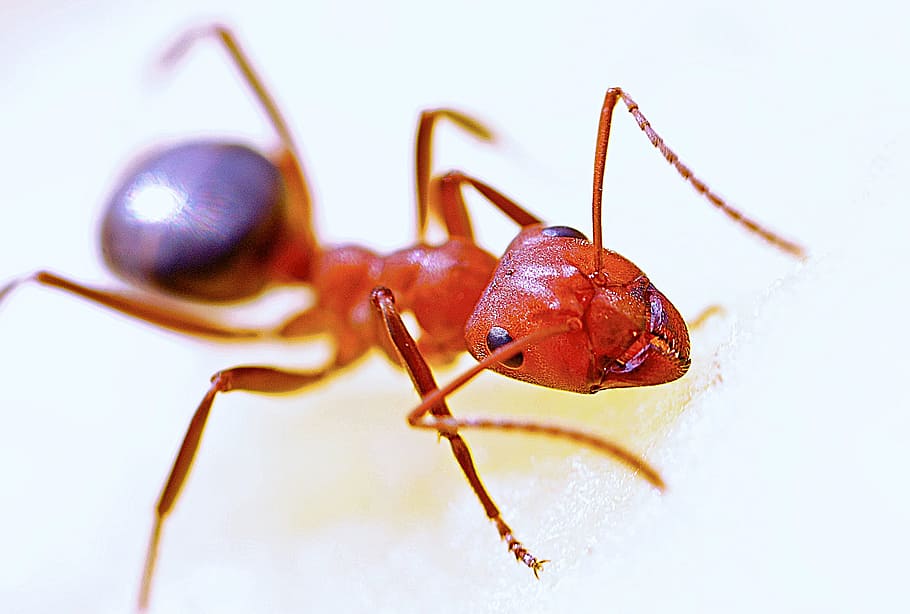
Bigheaded Ant Quick Facts
Size
Minor workers are about 1/16 inch long; major workers are approximately 1/8 to 5/32 inch long
Color
Usually reddish brown, ranging from yellowish brown to dark brown
How to Identify
Colonies contain many tiny workers and fewer larger workers with disproportionately large, rounded heads
Active Season
Active year-round in South Florida, with winged reproductives often appearing during winter and spring
Indoor or Outdoor
Primarily outdoor soil-nesting ants, but workers may enter kitchens, bathrooms, attics, and wall voids
Day or Night
Foraging may occur during the day or at night, depending on temperature, moisture, and available food.
Diet
Sweet liquids, insect honeydew, dead insects, small soil-dwelling animals, and accessible household foods.
About Bigheaded Ants
Why DIY Bigheaded Ant Control May Not Fix The Problem
Bigheaded ants can be difficult to manage because the workers seen indoors or along one pavement edge may represent only a small part of a much larger, interconnected colony. Professional service may be the practical next step when soil piles repeatedly return, trails appear in several areas, nests are inaccessible beneath slabs or pavers, or the ant species cannot be reliably identified.

Lower-Impact Options
When appropriate, we may prioritize precise treatment placement, baiting, exclusion, monitoring, and habitat changes to reduce unnecessary product use.
The Pest Busterzz Bigheaded Ant Treatment Approach
Pest Busterzz focuses on confirming the species, determining how widely the colony extends, and addressing the nesting and environmental conditions that support recurring activity.
Inspection
We identify the ant species, trace active trails, and inspect lawns, planting beds, paver joints, foundation edges, irrigation areas, plumbing penetrations, and indoor locations where workers are appearing.
Targeted Treatment
Based on the inspection, treatment may include baiting, targeted nest treatment, crack-and-crevice applications, appropriate exterior management, and attention to active trails and entry points. Methods depend on colony distribution and property conditions.
Monitoring & Follow-Up
We monitor for renewed trails, fresh soil excavation, indoor entry, and activity in areas that were not evident during the initial visit. Follow-up timing depends on the infestation and surrounding conditions.
Prevention
Recommendations may include sealing utility and plumbing gaps, correcting leaks, managing mulch near foundations, reducing objects that shelter soil nests, monitoring potted plants, and limiting food or moisture indoors.
faqs