
Brown Cockroach Identification in South Florida
Brown cockroaches are medium to large outdoor roaches commonly found throughout South Florida, especially around homes, garages, landscaping, patios, utility areas, and moisture-prone environments. These cockroaches are often mistaken for American cockroaches because of their similar reddish-brown coloration and large size, but brown cockroaches are slightly smaller and have distinct physical characteristics that separate them from other common roach species. Brown cockroaches thrive in warm humid climates and are frequently associated with outdoor vegetation, mulch beds, tree bark, gutters, and shaded structural areas. The scientific name for the brown cockroach is Periplaneta brunnea, and they are also commonly referred to as brown roaches or outdoor brown cockroaches.
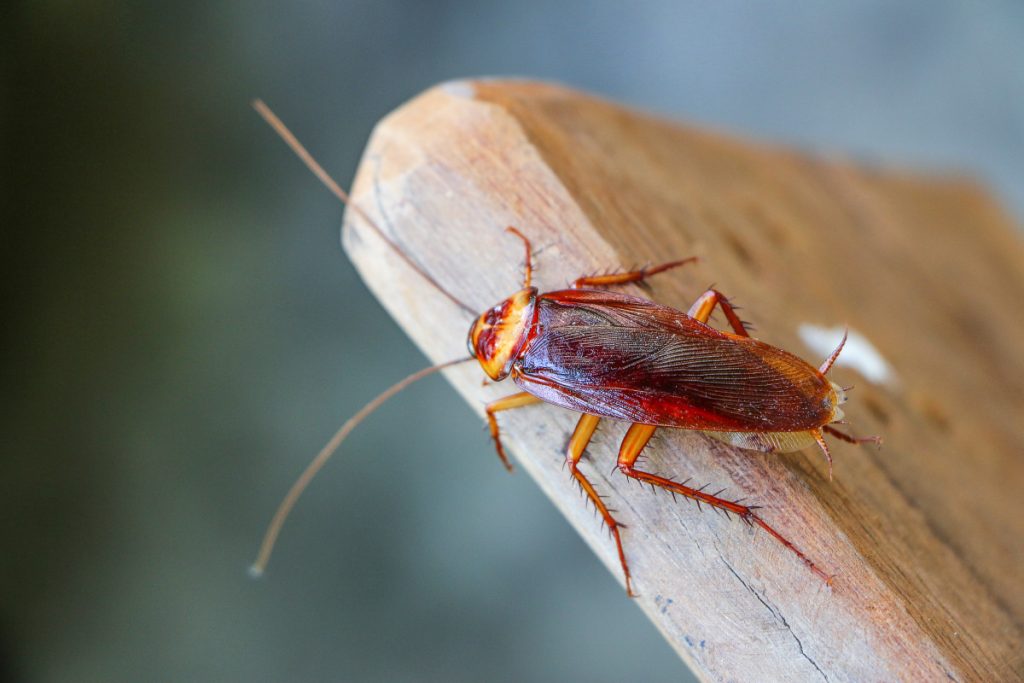
What Are Brown Cockroaches?
Brown cockroaches are outdoor moisture-loving roaches that prefer humid environments with easy access to food, water, and shelter.
Unlike German cockroaches, which are strongly associated with indoor kitchens and food preparation areas, brown cockroaches are primarily outdoor pests that occasionally enter structures during heavy rain, drought conditions, or extreme heat.
These cockroaches are highly active at night and are commonly attracted to exterior lighting around homes and businesses.
How to Identify Brown Cockroaches
Common identifying characteristics include:
- Reddish-brown coloration
- Slightly smaller size than American cockroaches
- Long wings covering the body
- Ability to fly or glide
- Long antennae
- Fast movement patterns
- Outdoor nighttime activity
Brown cockroaches are frequently confused with smokybrown and American cockroaches because of their similar appearance.
Why Brown Cockroaches Are Common in South Florida
South Florida’s tropical climate creates ideal conditions for brown cockroaches because they thrive in:
- Humid outdoor environments
- Dense landscaping
- Mulch and organic debris
- Gutters and rooflines
- Garages and utility spaces
- Warm year-round temperatures
Heavy rainfall and high humidity often increase visible activity around structures.
Where Brown Cockroaches Nest
Common nesting locations include:
- Mulch beds
- Tree bark and vegetation
- Gutters and rooflines
- Garages and sheds
- Crawlspaces
- Outdoor debris
- Utility areas
- Moist landscaping
These cockroaches usually remain outdoors but may enter homes through doors, windows, roof vents, plumbing openings, and structural gaps.
Signs of a Brown Cockroach Infestation
Signs of infestation may include:
- Large roaches around patios or garages
- Flying roaches near lights at night
- Cockroach activity after rainstorms
- Roaches around landscaping and mulch
- Droppings near nesting areas
- Increased nighttime activity around the property
Outdoor infestations may eventually contribute to recurring indoor sightings.
Are Brown Cockroaches Dangerous?
Brown cockroaches are nuisance pests that may contribute to sanitation concerns around homes and businesses.
They may:
- Contaminate surfaces
- Trigger allergy concerns
- Spread through outdoor environments
- Enter indoor living spaces
- Create recurring infestations around moisture-prone areas
Large infestations often indicate excess outdoor moisture or favorable nesting conditions.
How to Help Prevent Brown Cockroaches
Property owners can help reduce brown cockroach activity by:
- Limiting excess outdoor moisture
- Cleaning gutters regularly
- Reducing mulch and organic debris
- Trimming vegetation away from structures
- Sealing cracks and entry points
- Repairing damaged screens and vents
Outdoor habitat reduction and exclusion are important prevention measures.
Professional Brown Cockroach Services in South Florida
Pest Busterzz provides South Florida cockroach services designed to identify brown cockroach nesting areas, inspect moisture-prone environments, locate entry points, and recommend treatment solutions based on infestation severity and property conditions.