

Pest Library
Caribbean Crazy Ant Control in South Florida
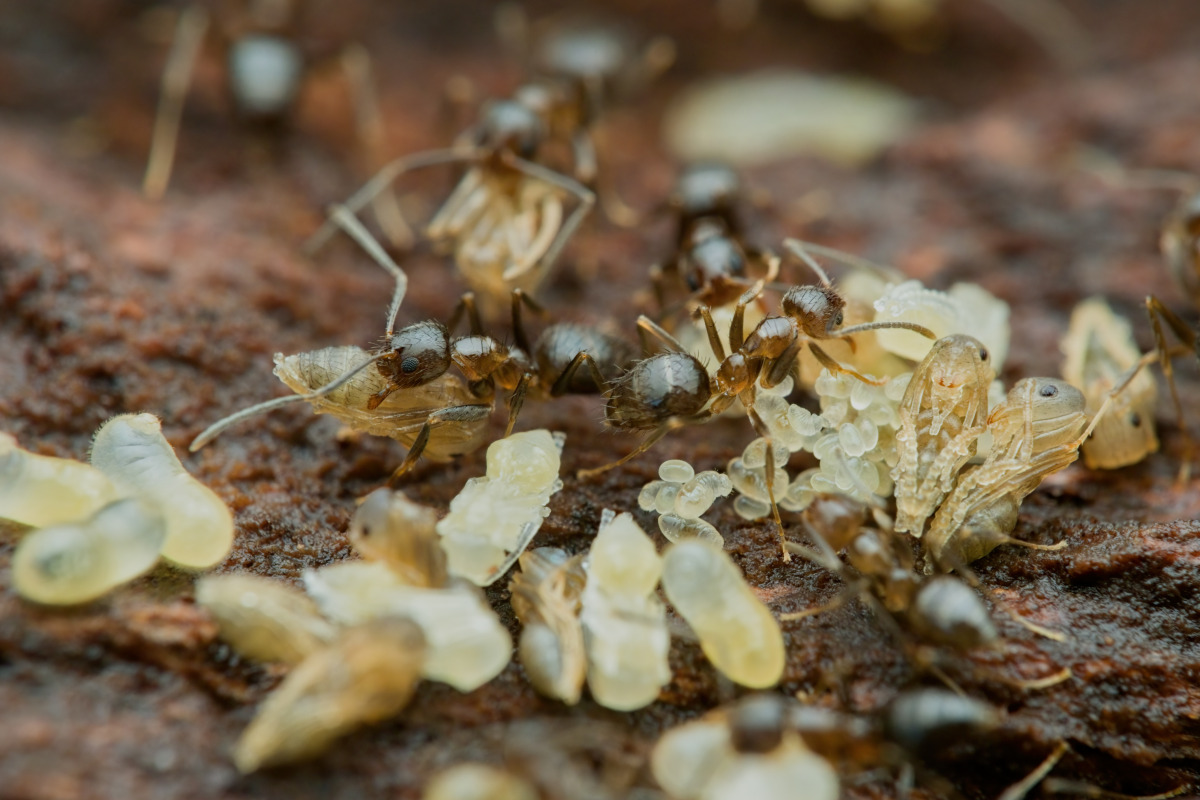
Caribbean Crazy Ant Quick Facts
Size
Approximately 1/16 to 3/32 inch long
Color
Golden brown to reddish brown, with a glossy body and fine hairs
How to Identify
Small, long-legged ants that run rapidly in irregular, unpredictable patterns
Active Season
Active year-round in South Florida, with heavier foraging during warm conditions
Indoor or Outdoor
Found indoors and outdoors; colonies commonly develop outside and send workers into buildings
Day or Night
May forage during the day or at night, depending on temperature, moisture, and available food.
Diet
Sugary plant secretions, overripe fruit, insects, household foods, and honeydew from plant-feeding insects.
About Caribbean Crazy Ants
Why DIY Caribbean Crazy Ant Control Can Fail
Caribbean crazy ants may occupy many connected nesting areas across landscaping, utility routes, and neighboring properties. Professional service may be the practical next step when activity repeatedly returns, spreads across large outdoor areas, enters several rooms, appears around electrical equipment, or cannot be reliably identified.

Lower-Impact Options
When appropriate, Pest Busterzz may prioritize careful bait placement, monitoring, exclusion, sanitation, and habitat modification to focus treatment where activity is occurring and reduce unnecessary applications.
The Pest Busterzz Caribbean Crazy Ant Treatment Approach
Pest Busterzz focuses on determining how far Caribbean crazy ant activity extends, addressing active nesting and foraging zones, and reducing the conditions that help the population return.
Inspection
We identify the ant as accurately as possible, trace active trails, assess how far the population extends, and inspect landscaping, ground cover, planters, debris, utility areas, equipment, entry points, moisture sources, and plants supporting honeydew-producing insects.
Targeted Treatment
Based on the inspection, the plan may include appropriately placed baits, localized treatments, exterior management, treatment of accessible nesting areas, crack-and-crevice applications, exclusion, and habitat modifications. Not every method is appropriate for every property.
Monitoring & Follow-Up
We check previously active trails, evaluate results, assess bait response, and adjust the plan when newly discovered nesting or foraging zones appear. Follow-up timing depends on the population and property conditions.
Prevention
Recommendations may include removing unnecessary leaf litter and debris, checking potted plants before moving them, reducing dense ground cover near structures, sealing accessible entry points, correcting leaks, managing overripe fruit, and addressing aphids or scales on affected plants.
faqs