

Pest Library
Conehead Termite Control in South Florida
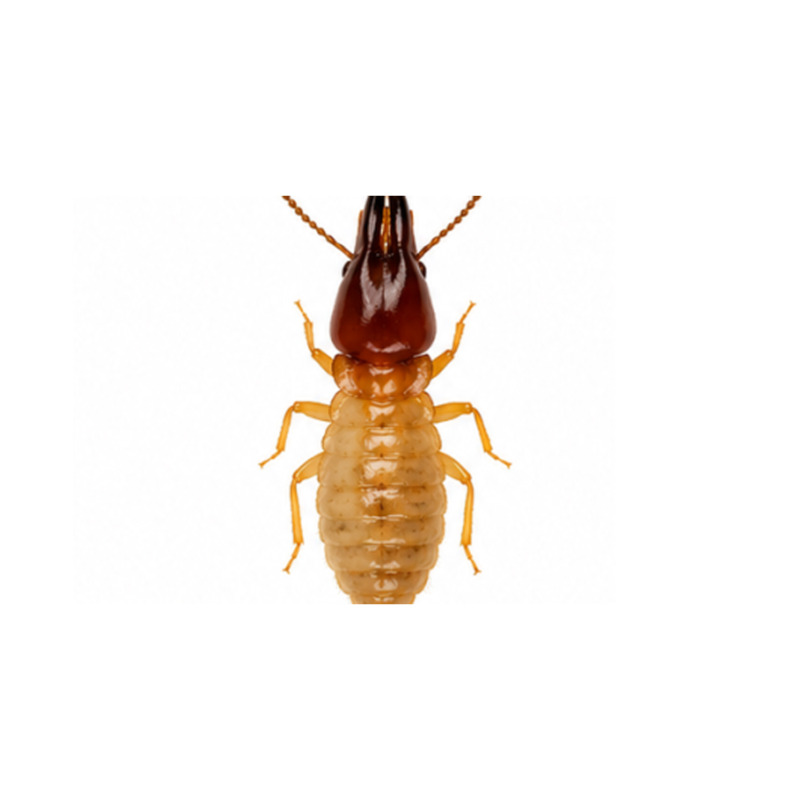
Conehead Termite Quick Facts
Size
Workers are about 1/8 to 3/16 inch long; soldiers are similar in size
Color
Workers are pale cream to tan; soldiers have a distinctive dark brown, cone-shaped head
How to Identify
Look for narrow brown surface tunnels, aboveground carton nests, and soldiers with pointed cone-shaped heads
Active Season
Potentially active year-round in South Florida; swarming and visible foraging may increase in warm, humid weather
Indoor or Outdoor
Primarily outdoors in trees and landscape vegetation, but colonies can spread into buildings and wooden materials
Day or Night
Workers remain protected inside covered tunnels and may forage at varying times; swarmers are often noticed during seasonal flights.
Diet
They consume cellulose in dead bark, trees, shrubs, grasses, roots, structural wood, furniture, cardboard, and paper products.
About Conehead Termites
Why DIY Conehead Termite Control Falls Short
Conehead termite control requires accurate identification, a careful survey of nests and tunnels, and coordination with Florida’s eradication program. Store-bought products or removal attempts can disturb visible activity without addressing the full colony network.

Lower-Impact Options
When appropriate, Pest Busterzz may prioritize precise treatment placement, focused nest and tunnel work, monitoring, and removal or management of infested materials to reduce unnecessary product use.
The Pest Busterzz Conehead Termite Treatment Approach
Pest Busterzz begins with identification and a detailed inspection of visible tunnels, nests, structural activity, and surrounding landscape conditions. Suspected conehead termite findings are handled with attention to FDACS reporting and eradication requirements.
Inspection
We inspect trees, palms, fences, exterior walls, rooflines, wooden features, stored cellulose materials, and structural areas for carton nests, covered tunnels, soldiers, swarmers, and feeding damage.
Targeted Treatment
The treatment plan depends on confirmed identification, colony location, activity level, property conditions, and current regulatory guidance. Appropriate work may involve targeted nest and tunnel management, structural treatment, exterior management, or removal of infested materials by qualified professionals.
Monitoring & Follow-Up
Follow-up may include checking known tunnels and nests, surveying nearby trees and structures, evaluating treatment results, and addressing newly discovered activity in coordination with applicable eradication efforts.
Prevention
Recommendations may include avoiding movement of infested wood or debris, reducing unnecessary wood storage, trimming vegetation connections, inspecting trees and fences, and reporting new nests or tunnels promptly.
faqs