
Florida Carpenter Ant Identification in South Florida
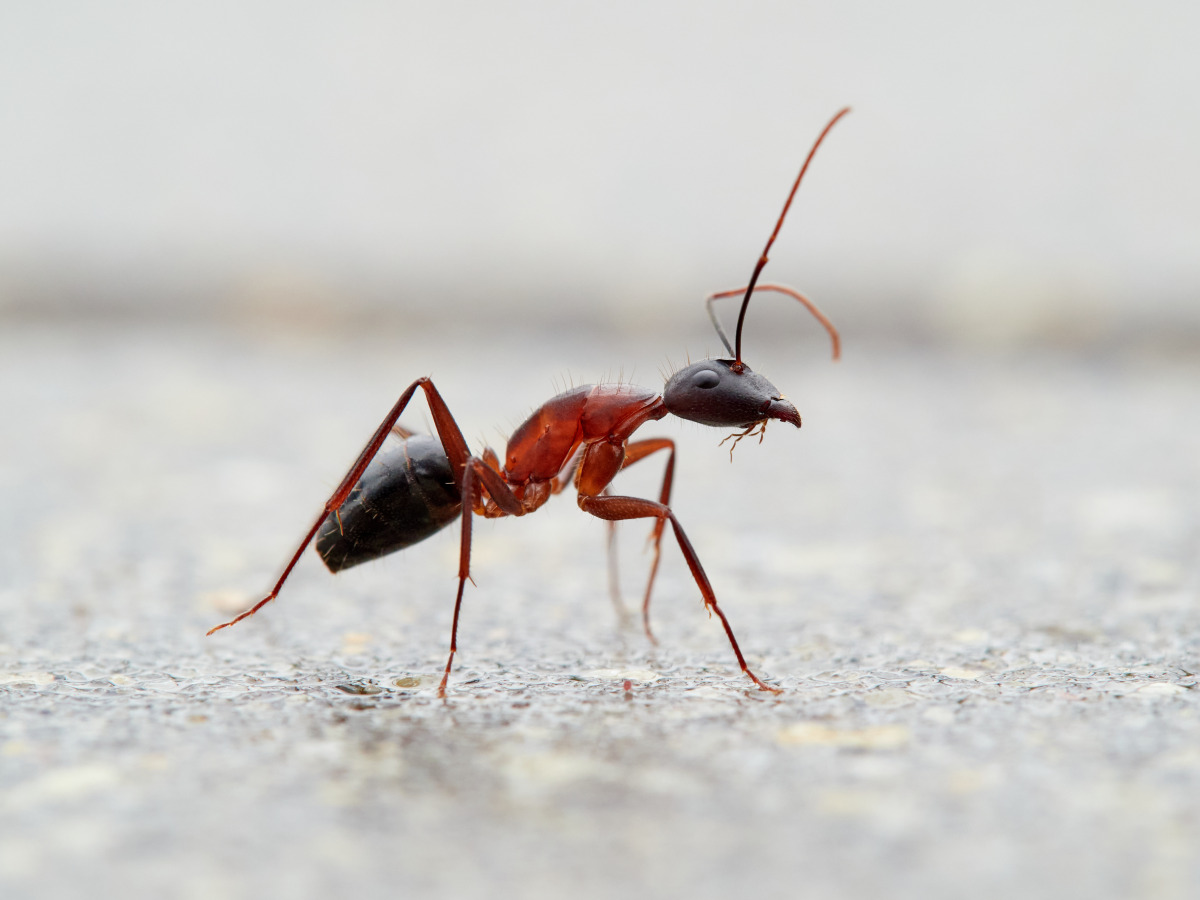
Florida carpenter ants are one of the largest ant species commonly found in South Florida and are frequently seen around homes, businesses, trees, landscaping, and wood structures throughout Broward, Miami-Dade, and Palm Beach counties. These ants are known for nesting in damp or damaged wood and can become a major nuisance when colonies expand near or inside buildings. Unlike termites, carpenter ants do not eat wood, but they tunnel through it to create nesting galleries, which may contribute to structural concerns over time if infestations are ignored. Florida carpenter ants are usually reddish-orange and black in color and are much larger than many other household ant species found in the region. They are most active at night and are often seen trailing along walls, tree limbs, fences, rooflines, and foundations while searching for food and moisture. The scientific name for the Florida carpenter ant is Camponotus floridanus, and they are also commonly referred to as Florida carpenter ants, large carpenter ants, or red and black carpenter ants.

What Are Florida Carpenter Ants?
Florida carpenter ants are large ants that commonly nest in moist, decaying, or damaged wood. Colonies may develop inside wall voids, attics, soffits, tree cavities, wooden fencing, or landscaping timbers. These ants are strongly attracted to humid environments and are commonly associated with moisture-damaged wood, leaking roofs, plumbing leaks, shaded landscaping, and rotting tree limbs.
Unlike termites, carpenter ants do not consume wood as food. Instead, they excavate smooth tunnels and nesting chambers inside wood to expand their colonies. Over time, large infestations may contribute to structural deterioration in already weakened wood materials.
How to Identify Florida Carpenter Ants
Florida carpenter ants are among the easiest ants to identify because of their large size and distinct coloring. Common identifying characteristics include:
- Large body size compared to most household ants
- Reddish-orange head and thorax
- Dark brown or black abdomen
- Long legs and segmented antennae
- Slow-moving trails along structures or trees
- Winged swarmers appearing during reproductive periods
These ants are most active after sunset and are commonly spotted at night around kitchens, bathrooms, exterior walls, garages, and landscaping.
Why Florida Carpenter Ants Are Common in South Florida
South Florida’s warm climate, humidity, and frequent rain create ideal conditions for carpenter ant activity. These ants thrive in environments where moisture problems or decaying wood are present.
Common contributing conditions include:
- Roof leaks
- Water-damaged wood
- Tree stumps and dead branches
- Dense landscaping
- Irrigation overspray
- Humid attics and wall voids
- Wooden fencing and decking
Older homes and properties with ongoing moisture issues are often more vulnerable to infestations.
Where Florida Carpenter Ants Nest
Florida carpenter ants may establish colonies both outdoors and indoors. Common nesting locations include:
- Tree cavities and hollow branches
- Rotting logs or stumps
- Wooden fences and decks
- Attics and rooflines
- Wall voids
- Window frames and door frames
- Moist or damaged structural wood
- Behind siding or soffits
Large colonies may contain satellite nests spread throughout different areas of the property.
Signs of a Florida Carpenter Ant Infestation
Signs of carpenter ant activity may include:
- Large ants appearing indoors, especially at night
- Rustling sounds inside walls
- Small piles of wood shavings or debris
- Winged ants near windows or doors
- Trails moving along foundations or tree limbs
- Increased ant activity around moisture-damaged areas
Because carpenter ants are often associated with moisture problems, infestations may also indicate hidden water damage within the structure.
Are Florida Carpenter Ants Dangerous?
Florida carpenter ants are not considered dangerous to people, but they can become a significant structural nuisance when colonies expand into wood structures. Over time, repeated nesting activity may weaken already damaged or decaying wood.
They may:
- Tunnel through structural wood
- Expand into wall voids and attics
- Create recurring infestations
- Indicate underlying moisture problems
- Spread into multiple nesting areas throughout the property
Proper identification is important because carpenter ants are frequently mistaken for termites or other large ant species.
How to Help Prevent Florida Carpenter Ants
Property owners can help reduce carpenter ant activity by:
- Repairing roof and plumbing leaks
- Removing decaying wood and tree stumps
- Trimming tree branches away from structures
- Improving attic and crawlspace ventilation
- Reducing excess outdoor moisture
- Replacing water-damaged wood
- Sealing exterior cracks and gaps
Moisture management is one of the most important steps in preventing carpenter ant infestations.
Professional Florida Carpenter Ant Services in South Florida
Because carpenter ants often nest inside hidden wall voids or moisture-damaged wood, professional inspection is important for locating colony activity and identifying contributing conditions. Pest Busterzz provides South Florida ant services designed to identify nesting locations, inspect moisture-prone areas, locate entry points, and recommend treatment solutions based on the structure and severity of the infestation.
Treatment approaches may vary depending on colony size, nesting locations, structural conditions, and surrounding environmental factors.