

Pest Library
House Fly
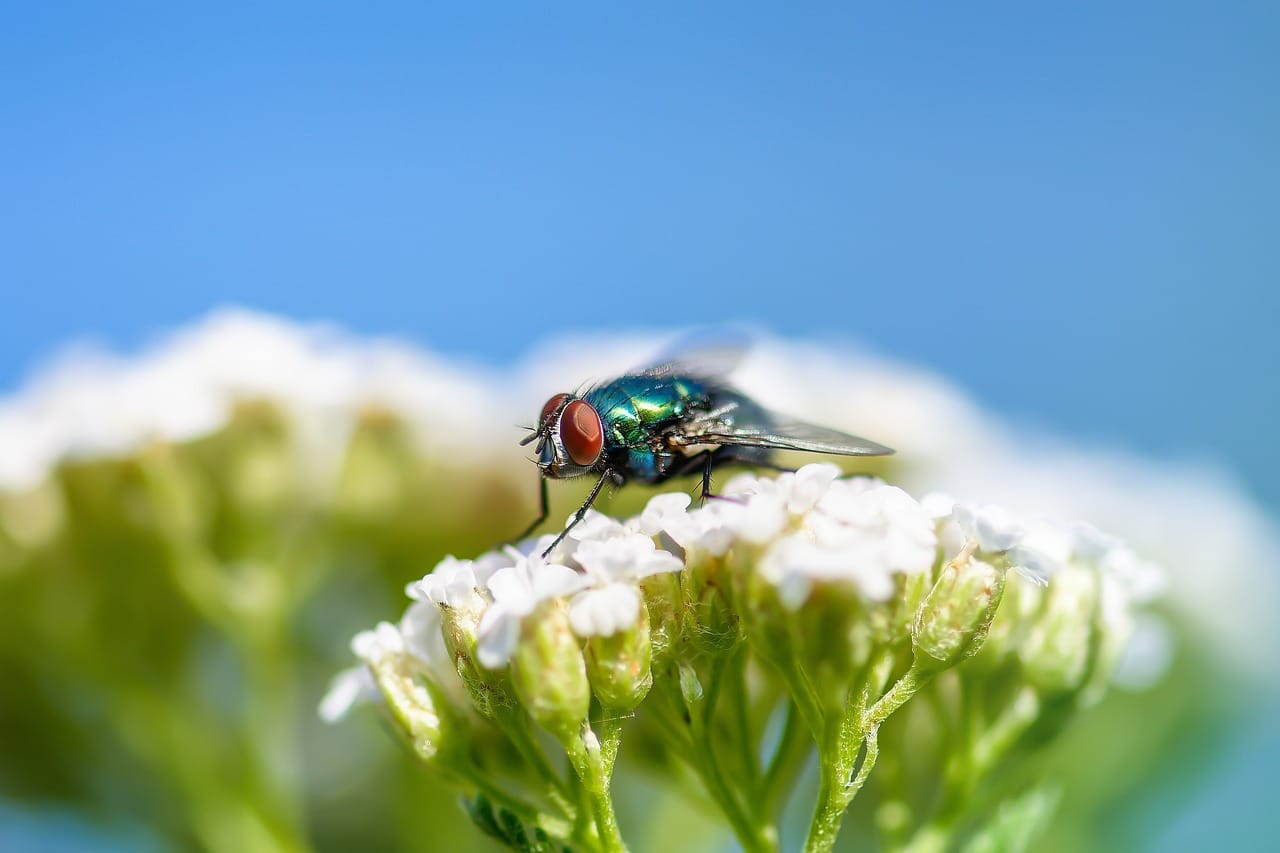
House Fly Quick Facts
Size
Adults typically measure 1/8 to 1/4 inch long (6 to 7 mm).
Color
Dull gray thorax with four distinct, dark longitudinal stripes.
How to Identify
Prominent reddish compound eyes, a single pair of translucent wings, and a yellowish abdominal underside.
Active Season
Active year-round in South Florida, with noticeable surges during warm, humid spring and summer weather.
Indoor or Outdoor
Commonly found both outdoors around waste areas and indoors foraging near food prep or living spaces.
Day or Night
Mostly active during the day; rests on elevated vertical surfaces or ceilings during night hours.
Diet
Liquid or liquefied organic matter, garbage, pet waste, ripening produce, and accessible human food.
About House Flies
How House Flies Invade Properties So Quickly
Understanding how house flies access a building helps explain why a minor issue can suddenly turn into a heavy infestation. House flies are exceptionally strong flyers and possess acute olfactory organs that track volatile organic odors blowing on the wind. When garbage containers or outdoor dining areas emit scents, flies flock to the perimeter from surrounding neighborhoods.
Once near a structure, they take advantage of micro-gaps created by South Florida’s heat and humidity, such as warped door frames, missing sweep seals, improperly screened soffit vents, and open sliding glass doors. A single female house fly can lay several batches of up to 100 to 150 eggs in her brief adult lifespan. When moist trash or organic debris sits inside a warm garbage can for just a few days, hundreds of new adult flies can emerge simultaneously, making it feel as though an invasion happened overnight.
The Limits of DIY House Fly Control
Attempting to resolve a persistent house fly problem with store-bought aerosol sprays, swatters, or hanging traps often yields disappointing, temporary results. Professional management becomes necessary when flies re-emerge daily, disrupt food service areas, or originate from unidentifiable breeding sources.

Lower-Impact Options
When appropriate, Pest Busterzz prioritizes exclusion, insect light traps, targeted non-repellent baits, biological drain cleaners, and sanitation guidance to minimize chemical use inside living and dining areas.
The Pest Busterzz House Fly Treatment Approach
Pest Busterzz delivers targeted house fly control by inspecting property perimeters, eliminating breeding sources, and installing appropriate monitoring and exclusion systems.
Inspection
We evaluate the structure to identify fly species, locate interior and exterior breeding substrates (like trash receptacles or moist organic buildup), examine structural entry points, and assess resting zones.
Targeted Treatment
Depending on inspection findings, treatment may involve precise placement of fly baits, installation of specialized insect light traps, localized applications on exterior resting surfaces, and bio-sanitation treatments in drainage areas.
Monitoring & Follow-Up
We evaluate trap catches, check reduction in fly counts, replace monitoring components as needed, and address newly emerging exterior breeding sources.
Prevention
Recommendations focus on cleaning and lining garbage receptacles, fixing weather stripping and window screens, cleaning outdoor drain lines, and managing pet waste to stop future infestations.
faqs