

Pest Library
Millipedes
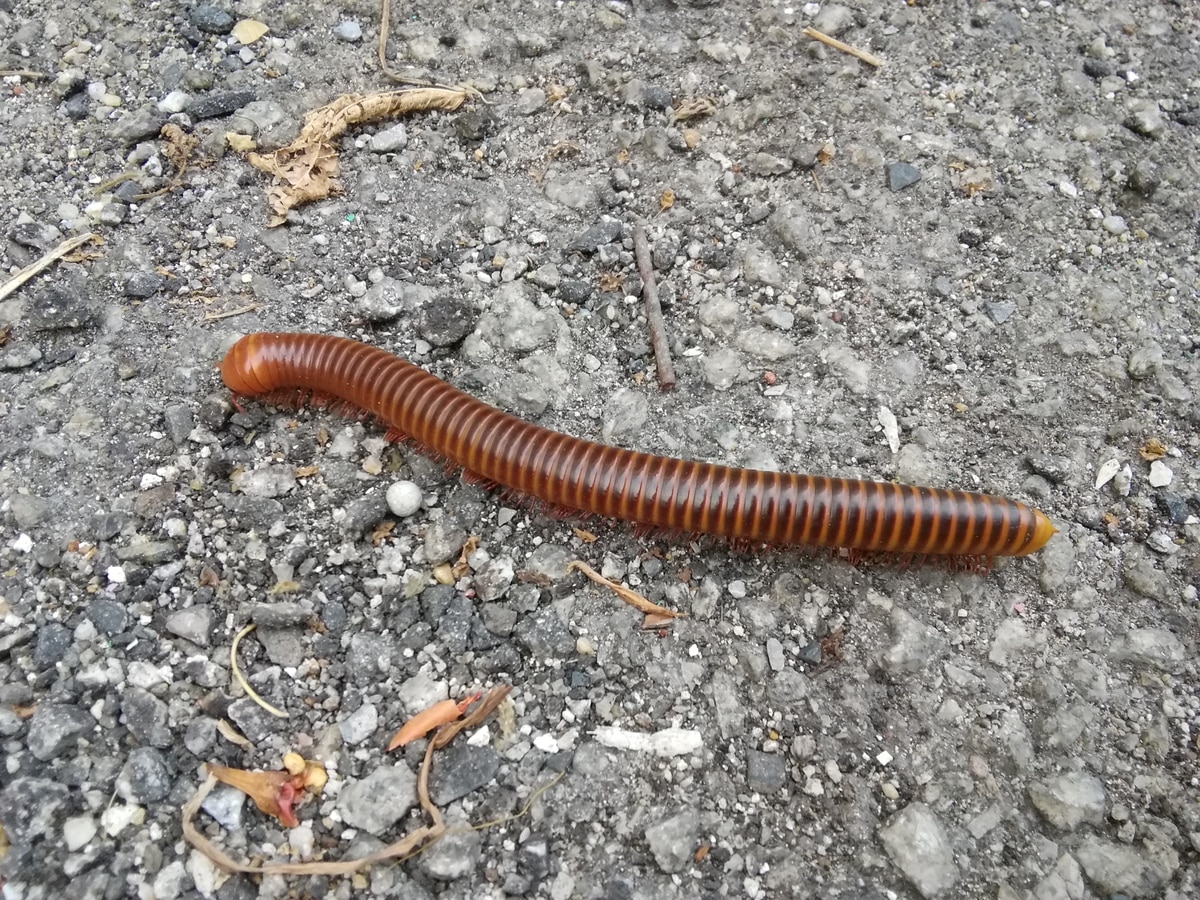
Millipedes Quick Facts
Size
Common household-invading species are often about 1/2 to 1 1/2 inches long, though size varies by species
Color
Usually brown, dark brown, black, or reddish, sometimes with contrasting bands
How to Identify
Long, rounded body with many short legs; most body segments have two pairs of legs, and the body often coils when disturbed
Active Season
Active year-round outdoors in South Florida, with noticeable migrations after heavy rain, flooding, or sudden moisture changes
Indoor or Outdoor
Primarily outdoors in moist soil, mulch, leaf litter, and decaying vegetation; they may wander indoors but usually do not survive there long
Day or Night
Mostly active at night or during damp, overcast conditions; they hide in cool, moist places during the heat of the day.
Diet
Primarily decaying leaves, mulch, wood fragments, fungi, and other decomposing plant material.
About Millipedes
Why Millipedes Suddenly Move Indoors
A sudden indoor appearance usually does not mean millipedes are breeding inside. Their outdoor habitat may have become flooded after heavy rain, disturbed by landscaping, or too dry to provide the moisture they need. As they move, they follow foundation edges and enter through door gaps, slab cracks, utility openings, and other low-level access points. Because they cannot survive for long in dry rooms, dead or curled millipedes may accumulate along baseboards and thresholds. The most useful response is to look beyond the visible invaders and identify the exterior moisture, organic debris, and entry routes allowing the migration to continue.
Why DIY Millipede Control May Fall Short
Removing visible millipedes can help during a small, short-lived migration, but recurring activity usually begins outdoors. Professional service may be practical when large numbers keep returning, entry points are difficult to locate, moisture conditions are widespread, or the pest cannot be confidently distinguished from centipedes or other arthropods.

Lower-Impact Options
When appropriate, Pest Busterzz may emphasize precise exterior placement, entry-point exclusion, moisture correction, habitat modification, and monitoring to reduce unnecessary product use.
The Pest Busterzz Millipedes Treatment Approach
Pest Busterzz begins with the outdoor conditions driving millipede activity and builds a plan around the property, migration pattern, and inspection findings.
Inspection
We confirm that the pest is a millipede, evaluate where activity is concentrated, and inspect mulch, leaf litter, drainage, irrigation, foundation edges, door gaps, utility openings, and other likely entry areas.
Targeted Treatment
Based on the inspection, the plan may include localized exterior management, treatment of active harborage or migration zones, exclusion recommendations, and reduction of moisture or breeding habitat. The exact approach depends on site conditions and activity levels.
Monitoring & Follow-Up
We evaluate whether activity is declining, identify newly active entry points or landscape zones, and adjust the plan when weather or property conditions continue to support migration.
Prevention
Recommendations may include reducing excessive mulch and leaf litter, improving drainage, correcting irrigation overspray, moving compost or wood away from the structure, installing door sweeps, and sealing ground-level openings.
faqs