Pest Library
Slug Control in South Florida
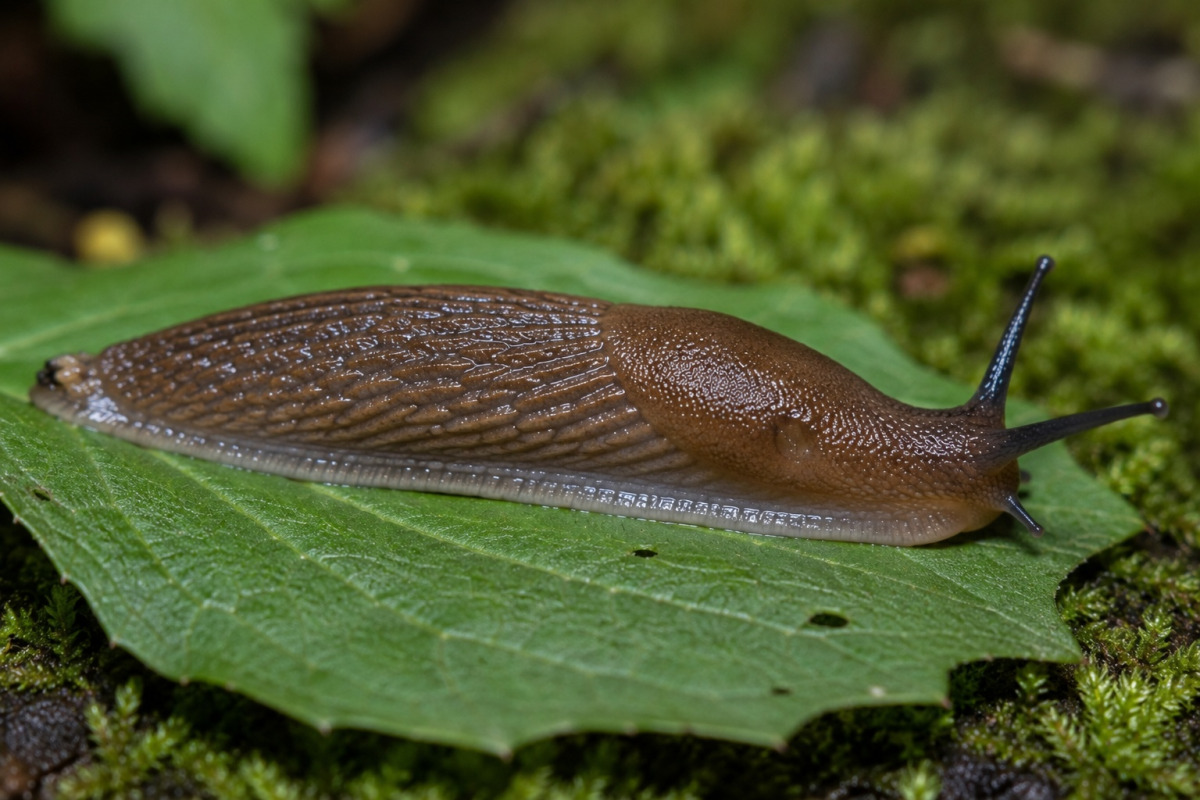
Slugs Quick Facts
Size
Approximately 1/8 inch long
Color
Yellowish-brown, reddish-brown, dark brown, or black
How to Identify
Heart-shaped abdomen that may be raised over the body when the ant is disturbed
Active Season
Active throughout much of the year in South Florida, with increased activity during warm, humid, and rainy conditions
Indoor or Outdoor
Primarily an outdoor ant, but colonies may establish indoors in damp wood and structural voids
Day or Night
Mostly active at night, after rainfall, or during cool, overcast conditions
Diet
Tender leaves, seedlings, flowers, fruits, vegetables, fungi, algae, and decaying plant material
About Slugs
Why DIY Slug Control May Fall Short
A few slugs can often be managed with moisture reduction and garden cleanup, but recurring damage may continue when hidden shelter, eggs, and favorable landscape conditions remain. Professional service may be practical when feeding is widespread, activity returns after repeated efforts, or the pest cannot be confidently identified.

Lower-Impact Options
When appropriate, Pest Busterzz may emphasize inspection, monitoring, moisture correction, debris reduction, habitat modification, precise placement, and other targeted measures to reduce unnecessary product use.
The Pest Busterzz Slugs Treatment Approach
Pest Busterzz develops a slug management plan from the conditions found during inspection rather than assuming every property needs the same treatment.
Inspection
We confirm slug activity, examine feeding damage and slime trails, and inspect mulch, planters, ground cover, irrigation zones, drainage areas, door thresholds, and other cool, damp hiding places.
Targeted Treatment
Based on the property and activity level, the plan may include exterior management, appropriately selected baiting or localized treatment, removal of shelter, breeding-site reduction, and recommendations for moisture or landscape changes.
Monitoring & Follow-Up
We evaluate whether feeding and sightings decline, check newly discovered hot spots, and adjust the plan when weather, irrigation, or landscape conditions continue to support activity.
Prevention
Recommendations may include watering earlier in the day, repairing leaks, improving drainage, thinning dense vegetation, reducing excessive mulch, removing debris, elevating stored items, and sealing low entry gaps.
faqs