
Pest Library
Southern Chinch Bug
Southern Chinch Bug Quick Facts
Size
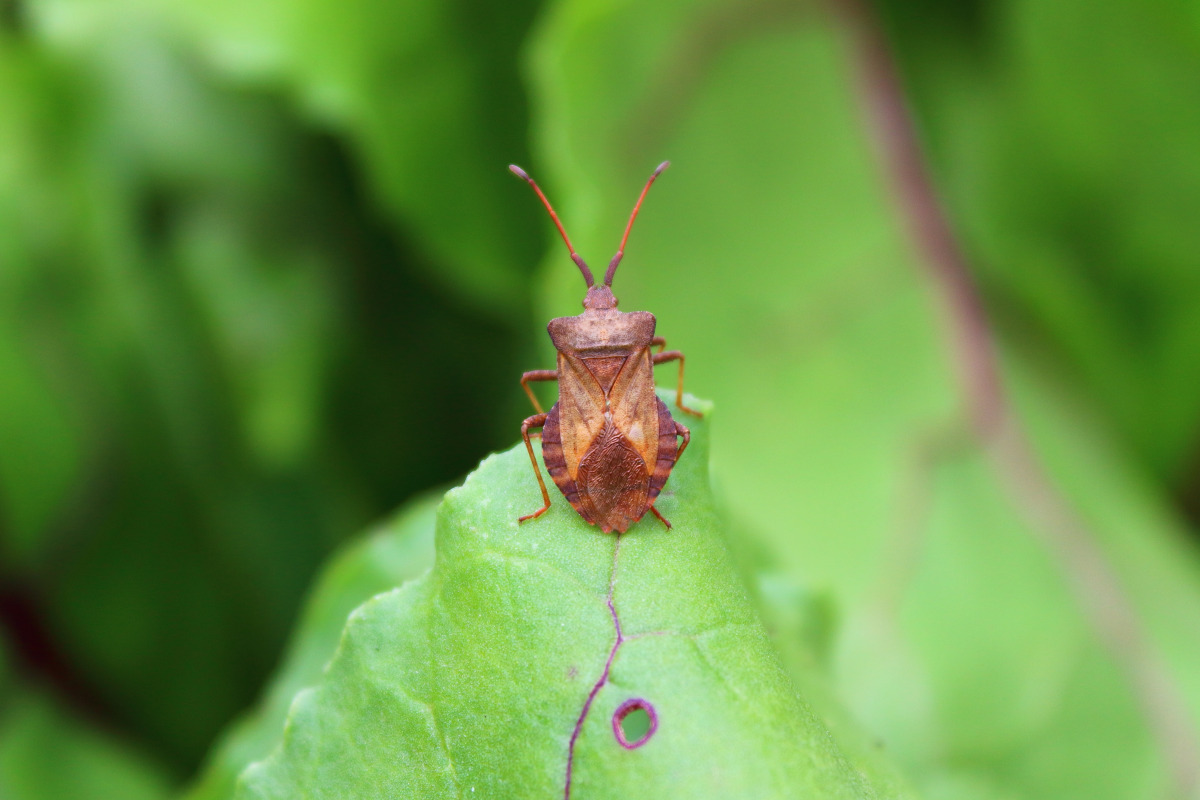
Adults about 1/8 to 1/4 inch long (roughly the length of a grain of rice); nymphs smaller
Color
Young nymphs reddish-orange with a white band; older nymphs darken to black; adults black with shiny white wings
How to Identify
Tiny reddish nymphs with a white stripe or black adults with white wings folded flat; often found in thatch near yellowing turf
Active Season
Year-round in South Florida, with populations often peaking in the warmer months
Indoor or Outdoor
Primarily outdoor; lives in lawns and turf thatch
Day or Night
Most active on warm, sunny days, especially in mid-afternoon
Diet
Plant sap from turfgrasses, with a strong preference for St. Augustinegrass
About Southern Chinch Bugs
Limits of DIY Approaches for Southern Chinch Bugs
Southern chinch bugs hide deep in thatch and soil, so surface sprays often miss many individuals and eggs. Incomplete coverage allows surviving insects to rebuild populations quickly in South Florida’s long growing season. Professional service becomes the more practical next step when damage continues to spread, identification is uncertain, or large sections of lawn are affected.

Lower-Impact Options
When appropriate, Pest Busterzz prioritizes precise placement, habitat modification, monitoring, and targeted applications to reduce unnecessary product use while still addressing the active population.
The Pest Busterzz Southern Chinch Bug Treatment Approach
Pest Busterzz focuses on confirming the pest, evaluating the extent of activity, and addressing both the insects and the lawn conditions that support them.
Inspection
We identify the pest, evaluate the extent of activity, check thatch and soil at the edges of affected areas, and assess conditions such as thatch depth, irrigation, soil type, and sun exposure that support the population.
Targeted Treatment
The treatment plan depends on the pest, property, activity level, and inspection findings. Options may include localized applications to active areas and exterior turf management focused on the thatch layer.
Monitoring & Follow-Up
We check activity, evaluate results, adjust the plan when necessary, and address newly discovered problem areas. Timing depends on the severity found and South Florida’s rapid generation cycle.
Prevention
Recommendations may include proper mowing height, avoiding excessive nitrogen fertilizer, irrigating only when grass shows early wilting, reducing thick thatch, and keeping lawn edges near hardscapes healthy.
faqs