

Squirrels

Pest Busterzz Home Icon

Pest Library

Squirrel Control in South Florida
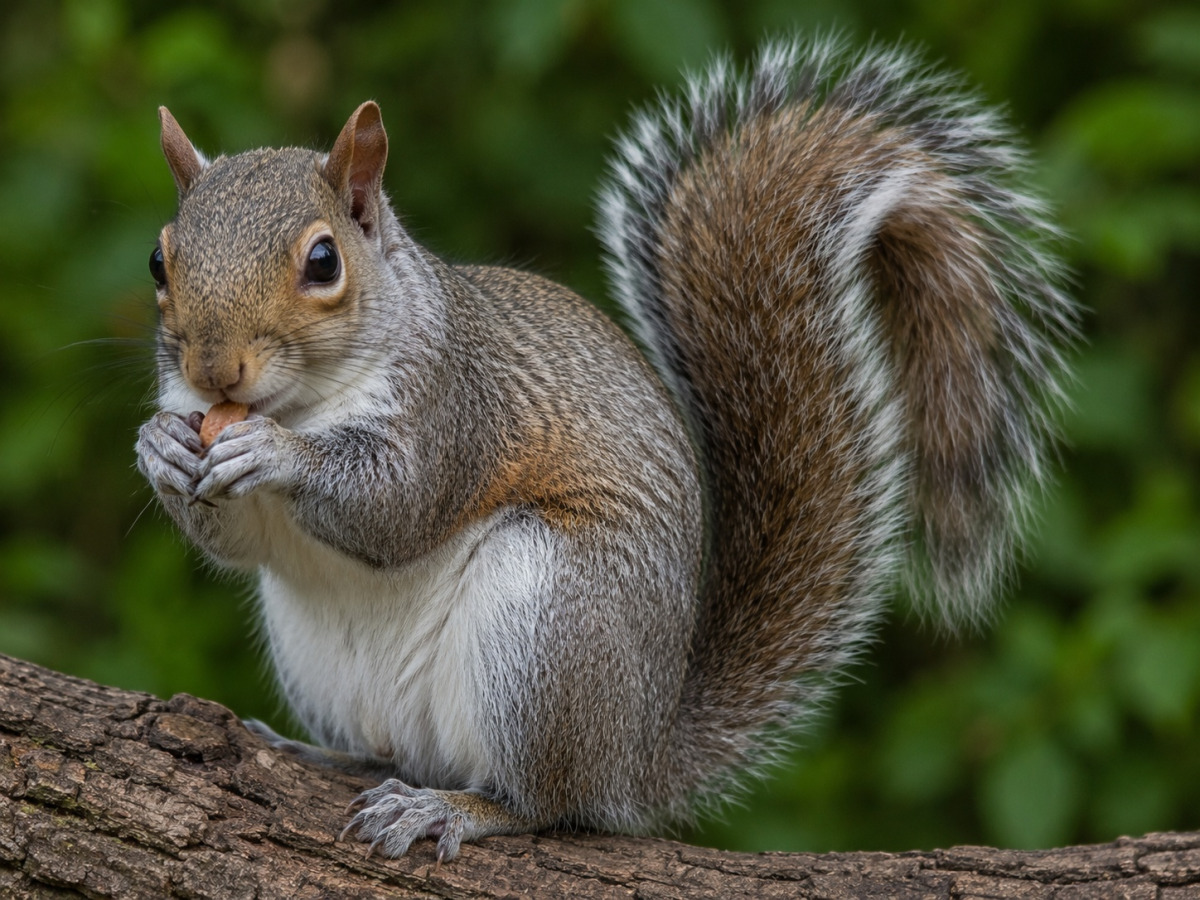
Squirrel Quick Facts

Size

Most eastern gray squirrels are about 17–20 inches long, including the tail

Color

Usually grayish-brown with a pale underside and a bushy, silver-tipped tail

How to Identify

Bushy tail, compact body, strong hind legs, and quick climbing or leaping movements

Active Season

Active year-round in South Florida, with nesting activity often more noticeable in winter and midsummer

Indoor or Outdoor

Primarily outdoors, but squirrels may enter attics, soffits, roof spaces, and other sheltered areas

Day or Night

Mostly active during daylight hours, especially in the morning and late afternoon

Diet

Nuts, seeds, fruits, buds, fungi, birdseed, and occasionally insects or other available foods

About Squirrels

Squirrels are tree-dwelling rodents recognized by their bushy tails, strong hind legs, and fast climbing movements. The eastern gray squirrel (Sciurus carolinensis) is the species most often encountered around developed Florida properties, although fox squirrels and southern flying squirrels also occur in the state. Trees, palms, bird feeders, fruiting plants, rooflines, and sheltered building cavities can bring squirrels close to South Florida homes and businesses. Outdoor sightings are usually normal wildlife activity. Concern increases when squirrels repeatedly access an attic or roof space, build a nest inside a structure, chew materials, or create persistent noise overhead.

Where Are Squirrels Commonly Found?

Squirrels naturally live around trees and wooded or landscaped areas that provide food, travel routes, and nesting cover. They may build leafy nests high in tree branches or use hollow trunks and cavities. Around buildings, they often approach from overhanging limbs, fences, utility lines, or nearby palms.

Common Property Locations

  • Mature shade trees, palms, and dense landscaping
  • Attics, soffits, roof returns, vents, and eaves
  • Tree cavities, abandoned bird nests, and leafy branch nests
  • Areas near bird feeders, fruit trees, gardens, and accessible pet food
  • Rooflines with damaged screening, loose fascia, or existing gaps

South Florida’s year-round vegetation and mild climate can support squirrel activity in every season. A building becomes more attractive when tree limbs provide roof access or when an opening leads to a dry, protected cavity.

Squirrel Behavior and Attractants

Most squirrels seen around South Florida properties are active during the day. They commonly leave shelter after sunrise to search for food, rest during the hottest part of the day, and become active again later in the afternoon. Their diet can include acorns, nuts, seeds, fruits, buds, fungi, and other plant material. Birdseed, unsecured animal feed, and fruiting landscape plants can concentrate activity near a building.

Squirrels are agile climbers and may jump from branches to roofs or travel along fences and utility routes. They may enlarge a weak opening by gnawing, then carry leaves or other nesting material into an attic. Florida squirrels generally raise young in tree nests or cavities, with birth periods often occurring in late winter and again around midsummer. Activity inside a structure may become especially persistent when dependent young are present.

When startled outdoors, squirrels usually retreat to a tree or other elevated cover. A squirrel trapped inside a room, attic, or enclosed commercial space may behave unpredictably, so direct handling should be avoided.

Property Damage and Other Concerns

Squirrels outdoors are often harmless visitors, but squirrels using a building can create practical concerns. Gnawing may affect fascia, vent screens, insulation, stored items, or other accessible materials. Nesting debris and droppings can accumulate in an attic, and movement overhead may disturb occupants. Squirrels may also raid bird feeders, dig in planters, take fruit, or strip bark and buds from some landscape plants.

Chewing near wiring is a potential fire concern and should be evaluated when damage is suspected. These animals are not automatically a health emergency, and simply seeing one in a yard does not mean a building is infested. The more useful warning signs are repeated roof entry, daytime scratching or running sounds, visible gnaw marks, displaced vent covers, nesting material, droppings, or a persistent odor from an inaccessible space.

Florida includes more than one squirrel species, and some fox squirrel populations have protected status. Correct identification and wildlife-rule awareness are important before removal or exclusion work begins.

When Are Squirrels Active in South Florida?

Squirrels can remain active throughout the year in South Florida because food and tree cover are available across seasons. They are easiest to notice during daylight hours, especially in the cooler morning and late-afternoon periods.

Property complaints may increase around nesting periods in late winter and midsummer, when adults seek secure den sites and care for young. Storms, pruning, tree removal, or damage to an outdoor nest may also prompt a squirrel to investigate a roof space or other protected cavity. During heavy heat or rain, outdoor activity may become less visible for part of the day without stopping entirely.

Indoor noises can be intermittent because a squirrel may leave to forage and return through the same opening. Repeated activity at one roof edge, vent, or soffit is more significant than an occasional squirrel crossing the roof.

How to Tell Whether a Squirrel Is Using Your Attic

A squirrel crossing a roof does not necessarily live inside the building. Look for a repeated pattern: running or scratching sounds during daylight hours, one roof opening used again and again, gnawing around a vent or fascia board, displaced screening, leaves or shredded material near an entry point, or droppings in the attic. Squirrel sounds are often heavier and more rapid than the faint movement associated with mice, and they are more likely to occur in the morning or afternoon than late at night. Avoid sealing a suspected opening until the space has been checked. Closing an adult outside while young remain inside can create a welfare problem, odor, and additional damage as the animal tries to regain access.

Why DIY Squirrel Control May Fall Short

Squirrel activity can be difficult to resolve when the animal is using an attic, when the entry route is above the roofline, or when a nest may contain young. Professional inspection is especially practical when noises keep returning, the opening cannot be safely reached, damage is visible, or the species and legal requirements are uncertain.

  • Chasing Away the Visible Squirrel | A squirrel seen on the roof may be only temporarily displaced while the same attic opening and nesting area remain available.
  • Relying on Repellents Alone | Odors, lights, sounds, and other deterrents may work briefly, but squirrels often become accustomed to them when shelter remains accessible.
  • Sealing the Opening Too Soon | Closing a hole without checking for young or confirming that all animals are outside can trap wildlife inside and create a more difficult problem.
  • Missing Secondary Entry Points | Roof intersections, vents, soffits, fascia gaps, and damaged screening can provide more than one route into the same attic space.
  • Overlooking Roof and Tree Conditions | Overhanging limbs, damaged trim, loose vents, and recurring access from nearby trees can allow activity to return after a temporary fix.
  • Unsafe Trapping or Handling | Improper trap placement or direct handling can injure people or wildlife and may conflict with Florida rules, particularly when the species is protected.
squirrel treatment in South Florida

Lower-Impact Options

When appropriate, Pest Busterzz may prioritize inspection, humane trapping, one-way exclusion, entry-point repair recommendations, monitoring, and habitat changes rather than broad product applications.

The Pest Busterzz Squirrel Treatment Approach

Pest Busterzz focuses on identifying the squirrel involved, locating entry and nesting areas, and developing a plan based on the property and inspection findings.

01

Inspection

We identify the squirrel when possible, look for tracks, droppings, gnawing, nesting material, and daytime noise patterns, and inspect rooflines, vents, soffits, fascia, trees, and attic areas for active entry points.

02

Targeted Treatment

Based on the inspection, the plan may include humane trapping, one-way exclusion, removal of accessible nesting material, and coordinated sealing of confirmed entry points. The exact approach depends on the species, building conditions, nesting status, and applicable wildlife rules.

03

Monitoring & Follow-Up

We check whether activity has stopped, confirm that exclusion points remain secure, and adjust the plan if another entry route or nesting area is discovered. Follow-up timing depends on the conditions found at the property.

04

Prevention

Recommendations may include trimming roof-access limbs where appropriate, repairing damaged vents or fascia, securing soffits, screening openings, managing birdseed and outdoor feed, and maintaining trees and roof edges that provide repeat access.

Yes. Eastern gray squirrels are widely encountered around developed areas with mature trees, palms, and reliable food. A squirrel in the yard is usually normal. The situation becomes a control issue when an animal repeatedly enters an attic, damages materials, or creates ongoing disturbance.

Listen for running, rolling, or scratching during daylight hours, particularly in the morning. Other clues include gnawing around roof openings, displaced vent screens, leaves or shredded nesting material, droppings, and repeated travel to one soffit, fascia, or vent.

Most tree squirrels are primarily active during the day. Nighttime sounds are more likely to involve rats, mice, raccoons, or a flying squirrel, although timing alone is not enough for a definite identification. An inspection can match the sound pattern with physical evidence.

The opening may lead to a secure den, a nest, or a familiar resting place. Squirrels also remember dependable routes. Unless the animal is removed or excluded appropriately and the opening is repaired, it may continue using the same access point.

They can gnaw wood, screening, vents, insulation, stored materials, and other accessible items. Chewing near wiring is a potential concern. Damage varies widely, so the location and extent of activity should be inspected rather than assuming every squirrel has caused a major problem.

Not until the space has been checked and it is clear that no squirrel or dependent young remain inside. Premature sealing can trap an animal, separate a mother from young, or lead to new damage as the squirrel attempts to get back in.

Repellents, lights, sounds, or odors may temporarily change activity, but they often do not solve an established den site. Lasting control usually depends on identifying the entry route, addressing the animal appropriately, and completing exclusion after the space is confirmed clear.

Schedule an inspection when daytime attic noises persist, you see repeated roof entry, the access point is high or unsafe to reach, damage is visible, young may be present, or you are unsure which wildlife species is involved. Proper identification helps determine an appropriate and lawful plan.

Pest Busterzz Home Icon

faqs

Squirrel FAQs