
Why Florida’s Rainy Season Sends Roaches Straight Into Your Home
How Humidity, Flooding, and Warm Temperatures Create the Perfect Storm for Cockroach Infestations
If you live in South Florida, you know the pattern. The skies open up, the streets flood, and within days, roaches start appearing in places you have not seen them before. It is not a coincidence, and it is not bad luck. It is biology. Florida’s rainy season, which runs roughly from May through October, creates conditions that cockroaches are biologically programmed to exploit, and the transition from outdoor to indoor environments happens faster than most homeowners realize. At Pest Busterzz, we are a family-owned organic pest control company serving Miami-Dade, Broward, and West Palm Beach, and the calls we receive during rainy season tell the same story every year. The good news is that understanding why this happens makes it significantly easier to prevent. Here is the science behind the seasonal surge and what you can do to protect your home before the next system rolls in.
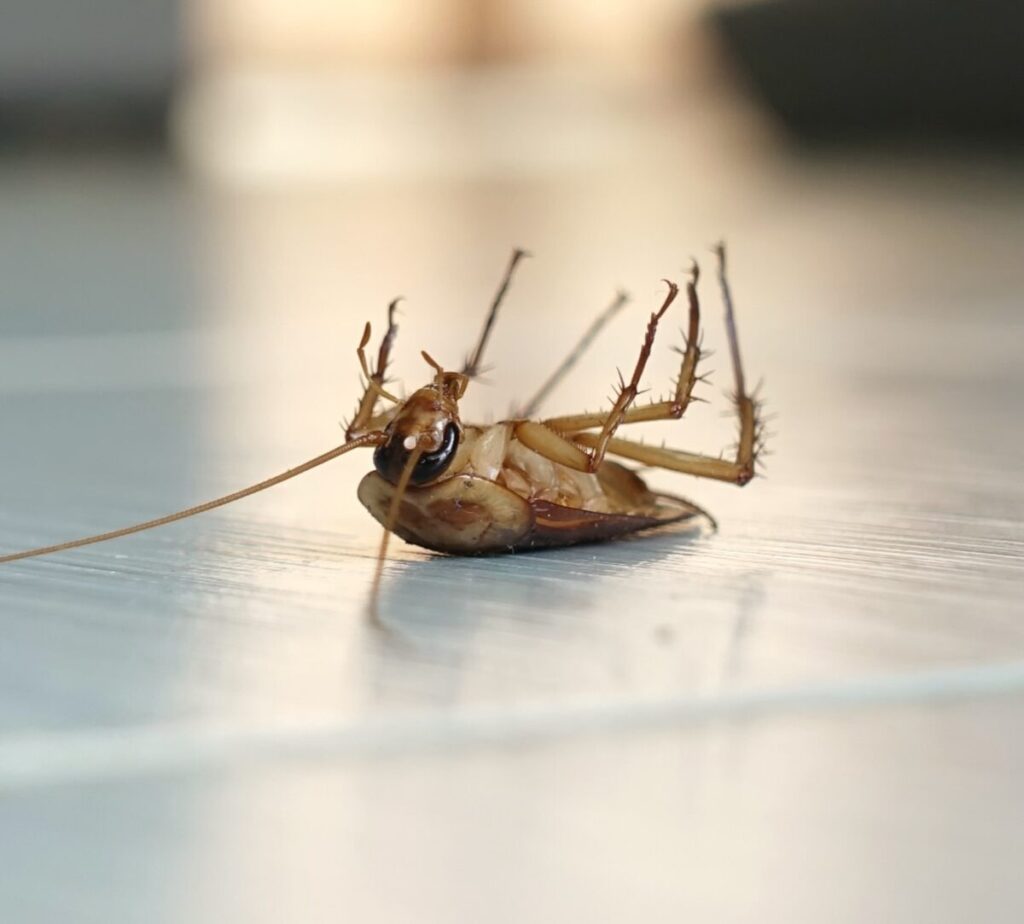
Why Florida’s Rainy Season Is a Roach’s Ideal Environment
Cockroaches thrive in warm, humid conditions, and South Florida delivers both in abundance from late spring through early fall. The average humidity during our rainy season regularly exceeds 80 percent, and the combination of standing water, saturated soil, decaying organic matter from heavy rainfall, and temperatures that rarely drop below the mid-70s at night creates what is essentially a paradise for roach populations outdoors.
Here is the problem: paradise outdoors eventually becomes paradise indoors, particularly when outdoor conditions become too wet. Cockroaches are moisture-seeking insects, but they are also moisture-avoiding ones. When heavy rains saturate the soil and flood the ground-level harborage areas where roaches live, burrow, and breed, those populations do not simply wait to drown. They move. And the nearest dry, warm, food-accessible structure is usually your home.
This is not just anecdotal. The Florida rainy season consistently corresponds with peak cockroach activity reports across our service area, from Brickell and Coral Gables in Miami-Dade to the western suburbs of Broward and the neighborhoods surrounding West Palm Beach. The species most commonly responsible for indoor invasions during this period are the American cockroach, the Florida Woods cockroach, and the German cockroach, each with its own seasonal behavior pattern.
The Three Roaches Behind Most Rainy Season Invasions
The American Cockroach
The large, reddish-brown cockroach that South Florida residents sometimes call a “palmetto bug” is the American cockroach, and it is the most common species to push indoors during heavy rain events. These roaches typically live outdoors in mulch beds, under leaf litter, in storm drains, and around the foundations of homes. When flooding displaces them, they seek entry through weep holes in block construction, gaps around plumbing penetrations, poorly sealed doors, and any crack at the base of a wall that provides access to the dry interior.
The Florida Woods Cockroach
Larger and slower than the American cockroach, the Florida Woods roach is a heavy hitter in the palmetto scrub and landscaped areas common throughout South Florida neighborhoods. It is particularly active after rain and tends to move toward structures in numbers when its habitat becomes saturated. While it prefers to stay outdoors, it readily enters garages, utility spaces, and ground-floor areas when driven by flooding.
The German Cockroach
The German cockroach is a different situation entirely. It does not come from outdoors during rainy season. It is an indoor species that hitches rides inside on bags, boxes, secondhand appliances, and delivery packaging. Rainy season matters for German cockroaches because the warm, humid conditions inside homes during this period, particularly in kitchens and bathrooms where moisture accumulates, create ideal breeding conditions. A small, unnoticed German cockroach population can expand rapidly between May and October, which is why these are the most concerning species from an infestation standpoint.
What Rainy Season Does to Your Home’s Defenses
Even well-maintained homes become more vulnerable during rainy season for reasons that are easy to overlook. Door seals and weatherstripping compress and loosen over time, and the seasonal expansion of wood door frames during periods of high humidity can create gaps that were not there in drier months. Foundation cracks that seem minor become entry points when the surrounding soil is saturated and roaches are actively seeking elevated ground. Condensation on pipes and under sinks creates indoor moisture sources that attract and sustain roach populations once they are inside.
The landscaping that makes South Florida properties beautiful also works against homeowners during this season. Thick mulch beds, dense palm plantings, and the leaf litter that accumulates around the base of tropical shrubs all serve as ideal harborage for cockroaches just a few feet from your foundation.
How to Reduce Your Rainy Season Risk
Effective rainy season cockroach prevention requires attention to both the interior and exterior of your property. Here is what makes the most difference:
- Inspect and reseal exterior entry points before rainy season begins, particularly weep holes, gaps around plumbing penetrations, and the base of door frames
- Pull mulch back from the foundation by several inches to remove the primary outdoor harborage zone immediately adjacent to your home
- Fix leaking pipes and eliminate standing water under sinks, around appliances, and in utility areas before the humidity of rainy season amplifies their attractiveness
- Store food in sealed containers and clean up crumbs, grease, and spills promptly, removing the indoor food sources that sustain a roach population once it enters
- Inspect everything that enters your home during peak season, including grocery bags, cardboard boxes, and secondhand items, for signs of German cockroaches
- Schedule preventive perimeter treatments timed to the beginning of rainy season, creating a barrier before the first heavy rains drive roach populations toward your home
The organic perimeter treatments we apply at Pest Busterzz are designed specifically to address this seasonal pressure, targeting roaches and the conditions that attract them without putting your family, pets, or the South Florida environment at risk.
Why Waiting Makes It Worse
The biology of cockroach reproduction makes rainy season timing critical. A single female American cockroach can produce up to 150 offspring in her lifetime, and German cockroach populations can double in a matter of weeks under warm, humid conditions. What arrives as a seasonal displacement event can quickly become an established indoor infestation if it is not addressed early in the season.
The homeowners who have the least trouble with rainy season roaches are the ones who schedule their pest control before the rains arrive, not after the roaches do.
Do Not Wait for the Rains to Send Roaches Your Way. Contact Pest Busterzz Today.
Pest Busterzz serves families and businesses across Miami-Dade, Broward, and West Palm Beach with safe, organic pest control that works before, during, and after rainy season. Our family-owned team understands the specific pest pressures of South Florida living and builds treatment plans around your home and your season. Contact us today for your free consultation and get ahead of this year’s surge before the first system rolls in.