

Big-Headed Ant

Pest Busterzz Home Icon

Pest Library

Bigheaded Ant Control in South Florida
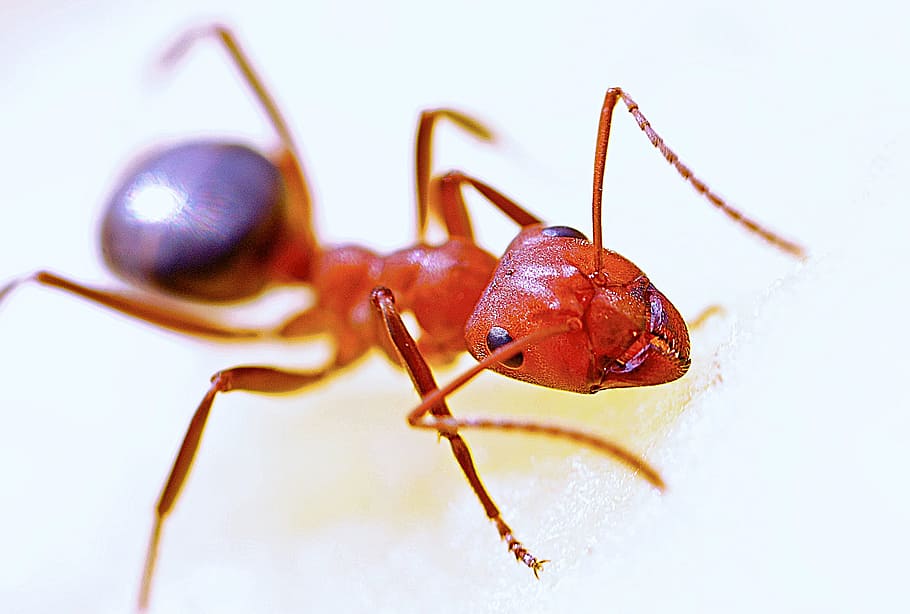
Bigheaded Ant Quick Facts

Size

Minor workers are about 1/16 inch long; major workers are approximately 1/8 to 5/32 inch long

Color

Usually reddish brown, ranging from yellowish brown to dark brown

How to Identify

Colonies contain many tiny workers and fewer larger workers with disproportionately large, rounded heads

Active Season

Active year-round in South Florida, with winged reproductives often appearing during winter and spring

Indoor or Outdoor

Primarily outdoor soil-nesting ants, but workers may enter kitchens, bathrooms, attics, and wall voids

Day or Night

Foraging may occur during the day or at night, depending on temperature, moisture, and available food.

Diet

Sweet liquids, insect honeydew, dead insects, small soil-dwelling animals, and accessible household foods.

About Bigheaded Ants

Bigheaded ants, Pheidole megacephala, are invasive soil-nesting ants established in South Florida. Their name comes from the major workers, which have noticeably oversized heads compared with the far more numerous minor workers. Property owners may first notice organized ant trails, loose piles of sandy soil, or fragile dirt-covered pathways along pavement, walls, and landscaping.

Colonies may contain multiple queens and interconnected nesting areas that spread through lawns, planting beds, paved areas, and neighboring properties. Bigheaded ants do not sting and are not considered structural wood-destroying insects, but their persistent trails, indoor foraging, excavated soil, and widespread colonies can become an ongoing nuisance.

Where Are Bigheaded Ants Commonly Found?

Outdoor Nesting Areas

Bigheaded ants typically nest in disturbed soil where warmth, moisture, and shelter are available. Common locations include:

  • Lawns and irrigated turf
  • Flower beds and areas around trees
  • Beneath bricks, steppingstones, pavers, and concrete slabs
  • Under flowerpots and objects resting on the ground
  • Along sidewalk, driveway, curb, and foundation edges
  • Near water pipes, irrigation lines, and consistently moist soil

Indoor Activity

Most colonies originate outdoors, but workers may enter buildings while searching for food or moisture. They can follow utility lines, exterior walls, plumbing penetrations, door thresholds, and other protected routes into kitchens, bathrooms, attics, wall spaces, and storage areas.

South Florida Conditions That Support Activity

Warm temperatures, sandy soil, frequent irrigation, dense ground cover, mulch, shaded planting beds, and closely spaced paved surfaces can support large colonies. Properties with connected landscaping or shared common areas may experience activity that extends beyond a single lot.

Bigheaded Ant Behavior and Attractants

Two Worker Sizes

Bigheaded ant colonies contain many small minor workers and fewer major workers. The major workers have enlarged heads and stronger jaws that help process larger food items. Seeing both sizes on the same trail is an important identification clue.

Feeding Habits

Workers feed on sweet liquids, honeydew from sap-feeding insects, dead insects, and small invertebrates. They may also enter buildings for crumbs, grease, sweets, pet food, and other accessible foods. A worker that finds a resource can recruit many nestmates, producing organized trails across soil, pavement, tree trunks, walls, and indoor surfaces.

Colony Growth

Colonies may contain multiple fertile queens and spread by budding, when queens and workers move a short distance to establish another nest. In South Florida’s warm climate, brood production can continue throughout the year. Large populations may function as connected colonies across lawns, landscaping, paved areas, and adjoining properties.

Soil Trails and Excavation

Workers carry fine soil from nesting areas and may build delicate, debris-covered pathways along foundations, walls, and trees. These pathways are generally loose and fragile, but they can be mistaken for subterranean termite shelter tubes.

Bigheaded Ant Problems and Concerns

Persistent Nuisance Activity

Bigheaded ants may form visible trails across floors, patios, walls, walkways, and landscaped areas. Workers can enter kitchens, bathrooms, break rooms, and storage spaces while searching for food or moisture.

Excavated Soil

Nesting beneath pavers, slabs, pipes, and landscaped borders can produce recurring piles of loose soil. Dirt may also appear along tile edges, baseboards, windows, or other interior openings when ants are nesting beside or beneath a structure.

Termite Look-Alikes

The ants’ fragile soil-covered pathways may resemble termite shelter tubes. Correct identification is important before assuming that a property has a wood-destroying insect problem.

Bites and Property Risk

Bigheaded ants do not sting and are not known for causing structural damage. They may bite when a nest is disturbed, but the bite is generally minor. Outdoors, dense populations may displace other ants and tend honeydew-producing insects on plants.

When Are Bigheaded Ants Active in South Florida?

South Florida’s warm climate allows bigheaded ants to remain active throughout the year. Workers may continue feeding, excavating soil, moving brood, and expanding nests whenever temperature and moisture conditions are favorable.

Activity may become more noticeable after:

  • Rainfall or flooding that saturates nesting soil
  • Frequent irrigation around lawns and planting beds
  • Landscaping work or installation of sod and pavers
  • Hot, dry periods that concentrate activity around moisture
  • Movement of soil, mulch, or potted plants

Wet ground may reveal fresh excavation around nest openings, while flooding can push workers toward higher, drier locations. Winged reproductive ants have been observed flying in South Florida during winter and spring. Colonies also spread through nearby budding, so activity may expand gradually without a noticeable swarm.

Why DIY Bigheaded Ant Control May Not Fix The Problem

Bigheaded ants can be difficult to manage because the workers seen indoors or along one pavement edge may represent only a small part of a much larger, interconnected colony. Professional service may be the practical next step when soil piles repeatedly return, trails appear in several areas, nests are inaccessible beneath slabs or pavers, or the ant species cannot be reliably identified.

  • Treating Only the Visible Workers | A surface spray may reduce an active trail without reaching queens, brood, or connected nests beneath soil, pavers, slabs, and landscaping.
  • Misidentifying the Ant | Bigheaded ants can be confused with other small ants, and their soil pathways may be mistaken for termite tubes. A treatment that does not match the pest’s biology may provide limited results.
  • Disrupting Trails Without Reaching the Colony | Repellent applications can alter visible movement while leaving the underlying colony intact or shifting activity to another route.
  • Missing Multiple Outdoor Nests | Colonies may extend across lawns, planting beds, paver joints, curbs, and neighboring properties. Treating one nest opening may not address the rest of the population.
  • Overlooking Favorable Conditions | Irrigation, moist soil, mulch, objects resting on the ground, and accessible food can continue supporting activity after visible ants are removed.
  • Reinfestation From Nearby Areas | Connected landscaping, shared common areas, and untreated neighboring soil can allow bigheaded ants to return even after activity declines on one part of the property.
bigheaded ant treatment in South Florida

Lower-Impact Options

When appropriate, we may prioritize precise treatment placement, baiting, exclusion, monitoring, and habitat changes to reduce unnecessary product use.

The Pest Busterzz Bigheaded Ant Treatment Approach

Pest Busterzz focuses on confirming the species, determining how widely the colony extends, and addressing the nesting and environmental conditions that support recurring activity.

01

Inspection

We identify the ant species, trace active trails, and inspect lawns, planting beds, paver joints, foundation edges, irrigation areas, plumbing penetrations, and indoor locations where workers are appearing.

02

Targeted Treatment

Based on the inspection, treatment may include baiting, targeted nest treatment, crack-and-crevice applications, appropriate exterior management, and attention to active trails and entry points. Methods depend on colony distribution and property conditions.

03

Monitoring & Follow-Up

We monitor for renewed trails, fresh soil excavation, indoor entry, and activity in areas that were not evident during the initial visit. Follow-up timing depends on the infestation and surrounding conditions.

04

Prevention

Recommendations may include sealing utility and plumbing gaps, correcting leaks, managing mulch near foundations, reducing objects that shelter soil nests, monitoring potted plants, and limiting food or moisture indoors.

Yes. Bigheaded ants are established in South Florida, where warm temperatures, irrigated landscaping, disturbed soil, and closely spaced paved areas can support activity throughout the year. Colonies may extend across lawns, planting beds, sidewalks, and neighboring properties.

Look for two noticeably different worker sizes traveling together. Most workers are very small, while occasional major workers have heads that appear unusually large for their bodies. Loose soil near pavers and fragile dirt-covered trails may provide additional clues.

No. Bigheaded ant colonies contain two main worker sizes, including major workers with oversized heads. Fire ant colonies contain workers of many sizes and are typically much more defensive when their mound is disturbed. Fire ants sting; bigheaded ants do not.

Indoor workers are usually foraging from a nest outdoors, beneath the building, or in a protected void. They may follow plumbing lines, utility openings, walls, windows, and door thresholds while searching for sweets, grease, insects, crumbs, or moisture.

Bigheaded ants excavate fine soil as they enlarge nests beneath pavement, slabs, and objects resting on the ground. Workers may carry that material through small gaps, creating recurring sandy piles near paver joints, foundations, tile edges, baseboards, or plumbing penetrations.

They do not sting. Workers may bite when a nest is disturbed, but the bite is generally considered minor. For most properties, the main concerns are persistent trails, indoor nuisance activity, soil excavation, and the size of the colony.

Bigheaded ants are not considered structural wood-destroying insects. They nest mainly in soil and protected voids rather than consuming wood. Their soil-covered pathways can resemble termite tubes, however, so correct identification is important.

They may reduce visible workers, especially when activity is limited and the nest is accessible. Large infestations can contain multiple queens and many connected nests, so treating only a trail or one nest opening may provide temporary relief.

The main colony may extend beyond the treated area, additional nests may be present beneath soil or pavement, or ants may be moving in from nearby landscaping. Moisture, irrigation, shelter, and accessible food can also continue supporting activity.

Consider an inspection when trails appear in several rooms, soil piles repeatedly return, ants emerge from walls or floors, or activity extends across large landscaped and paved areas. Professional identification is also useful when ant pathways resemble termite tubes.

Pest Busterzz Home Icon

faqs

Bigheaded Ant FAQs