

Pest Library
White-Footed Ant Control in South Florida
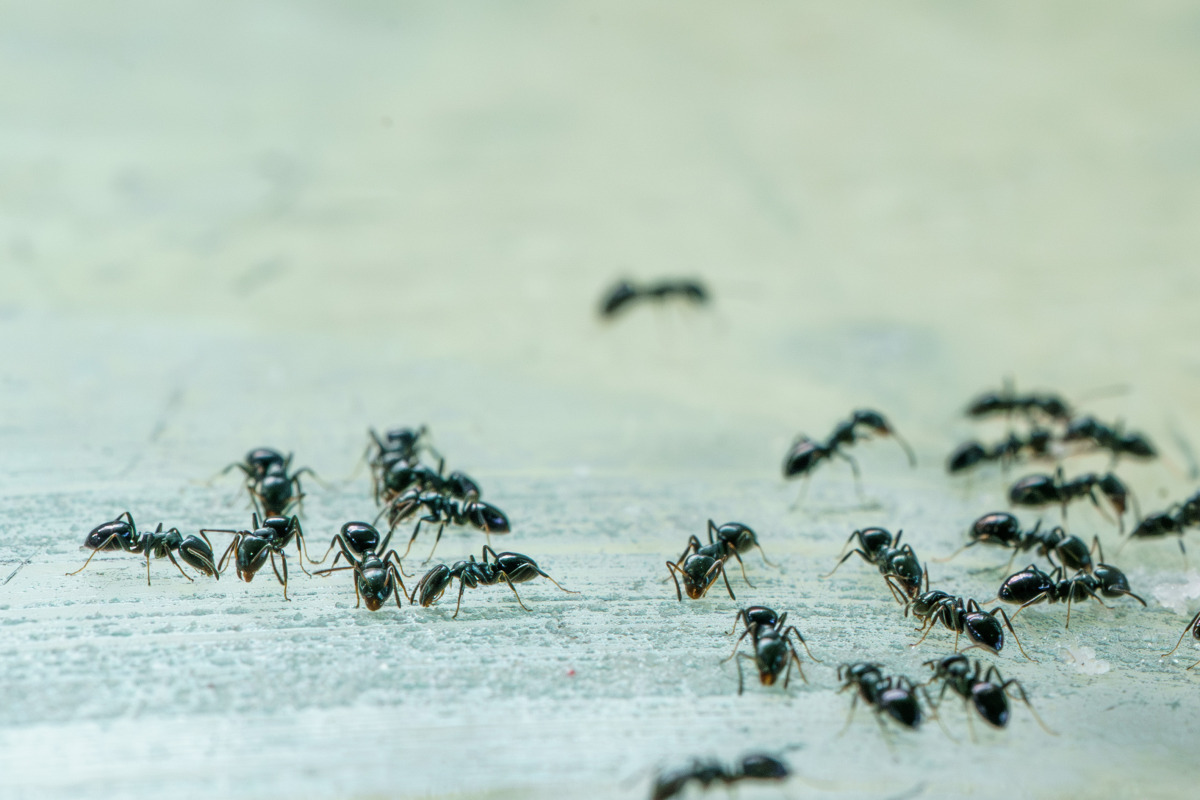
White-Footed Ant Quick Facts
Size
Approximately 1/8 inch long
Color
Dark brown to nearly black with pale yellowish-white feet
How to Identify
Dark body with distinctly pale feet; workers often travel in broad, active trails
Active Season
Active year-round in South Florida, with outdoor trails often most visible during warm, humid weather
Indoor or Outdoor
Primarily outdoors, but workers frequently enter buildings and may nest in wall voids or other protected spaces
Day or Night
White-footed ants may forage during the day or at night, with activity influenced by heat, moisture, shade, and food availability.
Diet
White-footed ants strongly favor sugary liquids and honeydew, but may also feed on nectar, dead insects, and household foods.
About White-Footed Ants
Why DIY White-Footed Ant Control Can Fail
White-footed ants can be difficult to manage because the trail seen indoors may represent only a small part of a much larger outdoor colony. Professional inspection becomes practical when trails repeatedly return, appear across several areas, extend from landscaping to the structure, or remain active despite sanitation and exclusion efforts.

Lower-Impact Options
When appropriate, we prioritize monitoring, precise bait placement, exclusion, vegetation management, sanitation, and localized treatment to reduce unnecessary product use.
The Pest Busterzz Approach to White-Footed Ant Treatment
Pest Busterzz focuses on identifying white-footed ant activity, tracing connected nesting areas, and reducing the food, moisture, vegetation, and entry conditions that help colonies persist.
Inspection
We confirm the ant species, trace major trails, and inspect trees, shrubs, mulch, rooflines, wall voids, utility openings, irrigation areas, windows, and vegetation touching the building.
Targeted Treatment
Based on the inspection, treatment may include targeted baiting, localized nest or void treatment, exterior management, exclusion, vegetation adjustments, and attention to honeydew-producing insects. Methods depend on where the connected colony is nesting and feeding.
Monitoring & Follow-Up
We monitor trail activity, bait acceptance, exterior pressure, and newly discovered nesting areas. Follow-up timing depends on colony size, surrounding landscaping, weather, and treatment response.
Prevention
Recommendations may include trimming vegetation away from walls and roofs, managing honeydew-producing insects, sealing small openings, correcting leaks, adjusting irrigation, and reducing dense debris or shelter near the structure.
faqs