

Pest Library
Pyramid Ant Control in South Florida
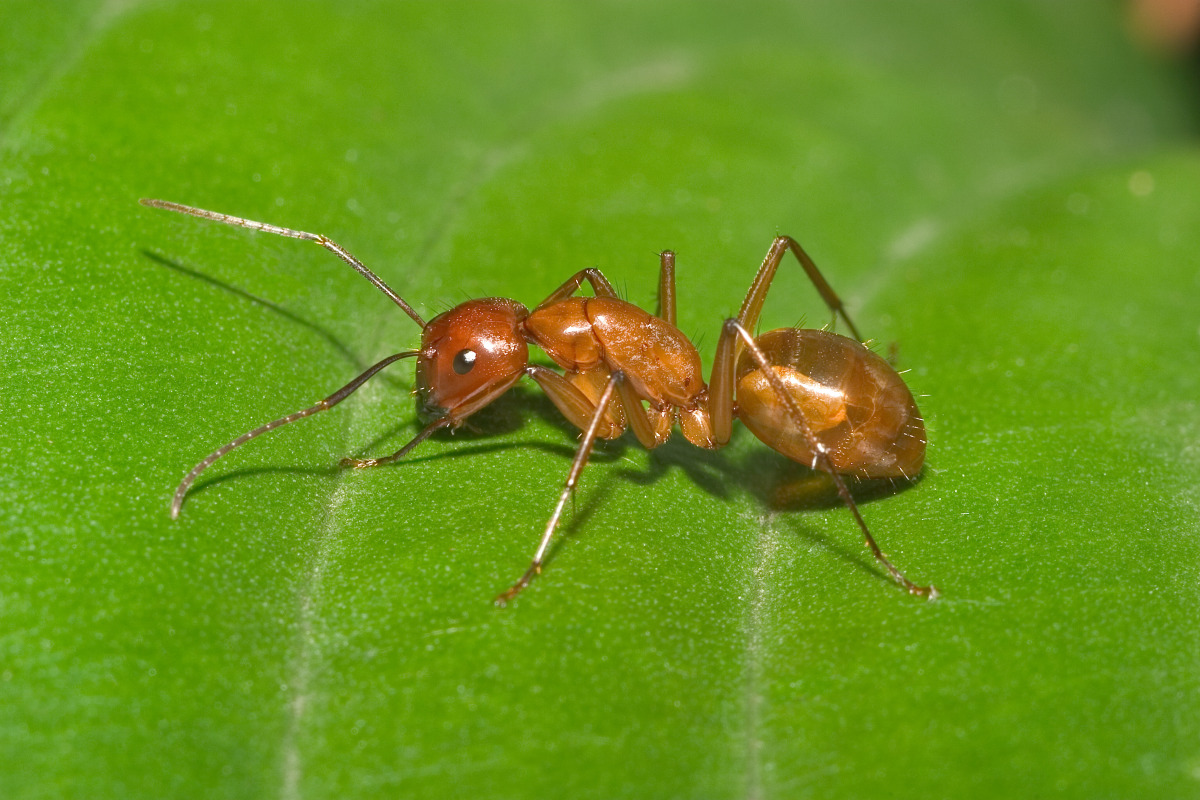
Pyramid Ant Quick Facts
Size
Approximately 1/8 inch long
Color
Usually reddish, orange-brown, or dark brown, often with a darker abdomen
How to Identify
Fast-moving workers, a small pyramid-shaped projection on the thorax, and a low crater-like soil mound
Active Season
Active much of the year in South Florida, with the most visible foraging during warm, sunny weather
Indoor or Outdoor
Primarily outdoors in lawns, sandy soil, landscaped areas, and pavement edges
Day or Night
Most noticeable during the day, especially when soil surfaces are warm; activity may shift during extreme heat or rain.
Diet
Pyramid ants feed on small insects, dead arthropods, nectar, and honeydew produced by plant-feeding insects.
About Pyramid Ants
Why DIY Pyramid Ant Control May Not BE Enough
Pyramid ant activity may be limited and may not always require treatment. Professional inspection is most useful when the species is uncertain, small craters repeatedly appear in sensitive areas, workers enter the building, or there is concern that the ants may actually be imported fire ants.

Lower-Impact Options
When appropriate, we prioritize accurate identification, monitoring, localized treatment, exclusion, and practical habitat adjustments to reduce unnecessary product use.
The Pest Busterzz Pyramid Ant Treatment Approach
Pest Busterzz focuses on confirming the species, locating active outdoor nests, and determining whether treatment is warranted based on the property and the areas affected.
Inspection
We identify the ant species and inspect soil craters, lawns, sandy landscape beds, sidewalks, driveways, foundations, patios, pool areas, utility boxes, and any locations where workers have entered the building.
Targeted Treatment
Based on the inspection, treatment may include localized nest management, baiting, exterior treatment, or attention to specific entry routes. Broad treatment may not be necessary for isolated colonies in low-impact outdoor areas.
Monitoring & Follow-Up
We check previously active sites and look for new soil craters after rain, irrigation, or landscaping work. Follow-up depends on colony distribution, surrounding habitat, and whether activity continues in sensitive areas.
Prevention
Recommendations may include improving thin turf, reducing unnecessary bare soil near high-use areas, correcting irrigation or drainage problems, sealing exterior openings, and monitoring new mounds before disturbing them.
faqs