

Caribbean Crazy Ant

Pest Busterzz Home Icon

Pest Library

Caribbean Crazy Ant Control in South Florida
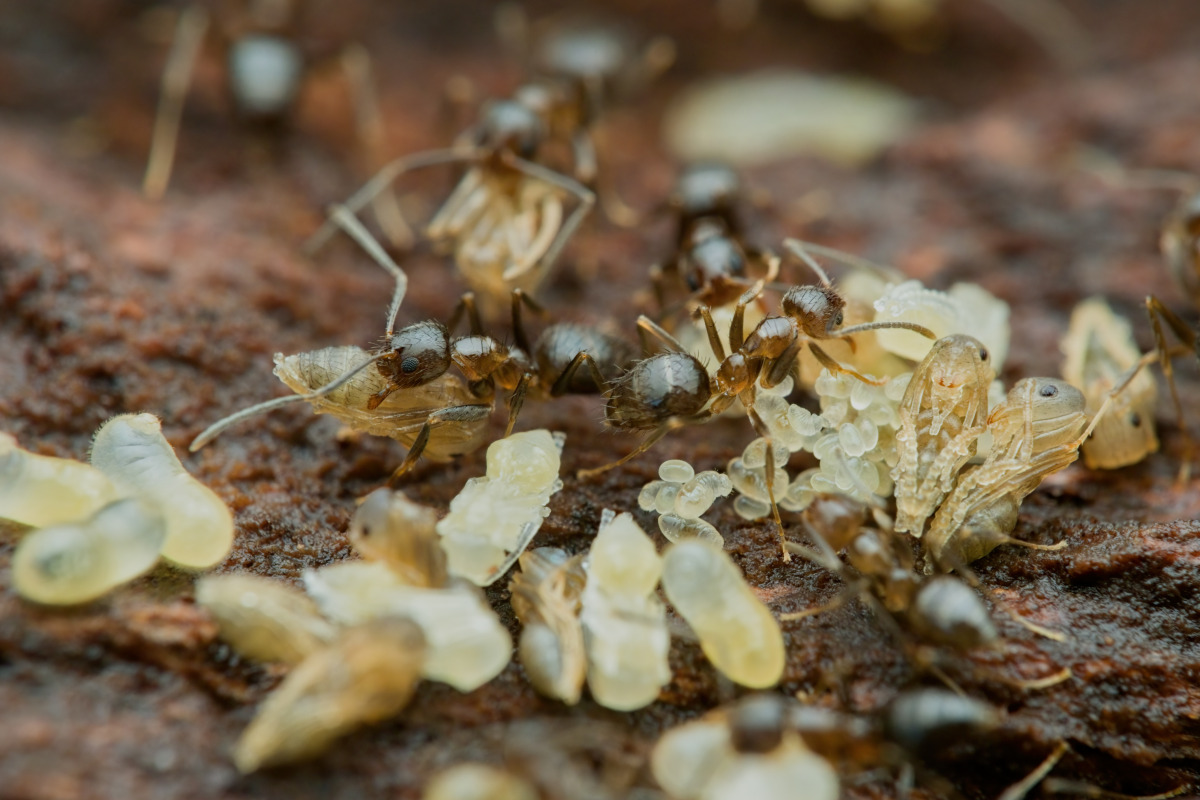
Caribbean Crazy Ant Quick Facts

Size

Approximately 1/16 to 3/32 inch long

Color

Golden brown to reddish brown, with a glossy body and fine hairs

How to Identify

Small, long-legged ants that run rapidly in irregular, unpredictable patterns

Active Season

Active year-round in South Florida, with heavier foraging during warm conditions

Indoor or Outdoor

Found indoors and outdoors; colonies commonly develop outside and send workers into buildings

Day or Night

May forage during the day or at night, depending on temperature, moisture, and available food.

Diet

Sugary plant secretions, overripe fruit, insects, household foods, and honeydew from plant-feeding insects.

About Caribbean Crazy Ants

Caribbean crazy ants are small invasive ants known for running in quick, irregular patterns instead of slow, orderly trails. The name has historically been applied to Nylanderia pubens, although many troublesome South Florida populations may be the closely related tawny crazy ant, Nylanderia fulva. Workers of the two species are extremely difficult to separate without specialized examination.

These ants may develop large, interconnected colonies with multiple queens and nesting sites. South Florida’s warmth, vegetation, moisture, and extensive landscaping can support activity throughout the year. The main concern is usually their overwhelming numbers, recurring indoor invasions, and activity around walkways, gardens, equipment, and exterior walls.

Where Are Caribbean Crazy Ants Commonly Found?

Outdoor Nesting Areas

Caribbean crazy ants often use numerous shallow, protected nesting sites instead of one obvious mound. Common outdoor locations include:

  • Leaf litter and loose soil
  • Mulch and dense ground cover
  • Beneath rocks, boards, planters, and landscape materials
  • Rotten logs, fallen branches, and yard debris
  • Irrigated planting beds
  • Areas around air-conditioning equipment
  • Utility boxes, conduits, and underground service routes
  • Vegetation supporting aphids, scales, mealybugs, or other honeydew-producing insects

Colonies may extend across adjoining yards, common landscaping, rights-of-way, or undeveloped land, so activity on one property may be connected to nesting areas beyond its boundaries.

Indoor Hiding and Foraging Areas

Workers commonly enter buildings while searching for food, warmth, or moisture. They may be found in:

  • Kitchens and break rooms
  • Bathrooms and plumbing areas
  • Wall voids and utility chases
  • Equipment and mechanical rooms
  • Areas around windows, doors, and expansion joints
  • Spaces near air-conditioning condensation
  • Electrical or communications equipment
  • Food-storage and pet-feeding areas

Common entry routes include door thresholds, utility penetrations, foundation gaps, windows, and openings around plumbing or electrical lines.

South Florida Conditions That Support Activity

Warm temperatures, frequent irrigation, dense landscaping, accumulated debris, and abundant plant-feeding insects can support extensive colonies. Risk may increase when a property has:

  • Heavy leaf litter or mulch buildup
  • Dense ground cover near the structure
  • Overripe fruit or food residue outdoors
  • Leaking irrigation, plumbing, or condensation lines
  • Large numbers of aphids, scales, or mealybugs
  • Stored planters, boards, or decorative objects resting on soil
  • Unsealed utility and foundation openings
  • Nearby untreated landscapes or natural areas

Caribbean Crazy Ant Behavior and Attractants

Fast, Irregular Movement

The quick, unpredictable running pattern of these ants gives the crazy ant group its name. Workers may spread across pavement, vegetation, exterior walls, and indoor surfaces. When populations are high, their movement can form broad streams rather than one narrow, orderly trail.

Feeding Habits

Workers use a wide range of foods and may seek:

  • Honeydew from aphids, scales, mealybugs, and similar insects
  • Plant secretions and overripe fruit
  • Live or dead insects and other animal material
  • Spilled drinks, crumbs, grease, pet food, and food residue

Workers may protect honeydew-producing insects on plants, helping maintain a dependable sugar source. Competing outdoor foods can also affect whether a particular bait is accepted.

Colony Structure and Spread

Populations may contain multiple queens and many connected nesting sites. Colonies can spread through landscaped areas and may be transported in potted plants, mulch, soil, yard debris, and other materials that contain workers, queens, or brood.

Because activity may extend across multiple properties, treating one visible trail may not address the larger population supplying it.

Peak Activity

Foraging generally becomes more visible during warm weather. Rain, flooding, irrigation, drought, landscaping work, or movement of outdoor objects can disturb nesting areas and redirect workers toward buildings, equipment, and protected spaces.

Nuisance Activity and Other Concerns

Large, Persistent Populations

Caribbean crazy ants are primarily a severe nuisance pest. In heavily infested areas, large numbers of workers may cover patios, sidewalks, driveways, gardens, exterior walls, and landscaped spaces. Indoor activity may appear around windows, baseboards, counters, plumbing, equipment, and food areas.

Electrical and Mechanical Areas

Crazy ants have been reported inside air-conditioning equipment, electrical devices, phone systems, and computers. Not every infestation causes equipment damage, but repeated activity in electrical or mechanical areas should be evaluated rather than treated only at the surface.

Food and Business Concerns

Workers entering kitchens, break rooms, food-storage spaces, or service areas can create sanitation concerns. At commercial properties, visible ant activity around entrances, patios, offices, or customer areas may also lead to complaints.

Bites and Landscape Effects

These ants do not have a functional stinger. Workers may bite and use defensive chemicals when disturbed, but they are generally regarded as a nuisance rather than an important medical pest.

Outdoors, dense populations may protect honeydew-producing insects from predators and displace other ants. Larger numbers of aphids or scales can add stress to ornamental plants.

When Are Caribbean Crazy Ants Active in South Florida?

South Florida’s warm climate allows Caribbean crazy ant colonies to remain active throughout the year. Their surface activity generally becomes more visible as temperatures rise, and favorable conditions can produce broad trails containing very large numbers of workers.

Activity may increase or shift during:

  • Warm and humid weather
  • Periods of frequent rainfall or irrigation
  • Flooding or saturated soil that disturbs shallow nests
  • Hot, dry periods that concentrate ants near dependable moisture
  • Landscaping, storm cleanup, or movement of planters and debris
  • Increases in aphids, scales, mealybugs, or other honeydew sources

Heavy rain may push workers toward drier locations beneath structures or inside buildings. During dry weather, ants may gather near irrigation, plumbing, air-conditioning condensation, and indoor water sources.

Colonies protected in soil, debris, landscaping, or utility routes can remain established even when visible trails temporarily decrease. A sudden drop in surface activity does not necessarily mean the population has disappeared.

Why DIY Caribbean Crazy Ant Control Can Fail

Caribbean crazy ants may occupy many connected nesting areas across landscaping, utility routes, and neighboring properties. Professional service may be the practical next step when activity repeatedly returns, spreads across large outdoor areas, enters several rooms, appears around electrical equipment, or cannot be reliably identified.

  • Treating Only the Visible Workers | Surface sprays may reduce ants on a counter or walkway without reaching queens, brood, or the many protected nesting sites supporting the population.
  • Missing Multiple Nesting Areas | Colonies may occupy leaf litter, soil, mulch, planters, debris, utility routes, and adjoining properties at the same time.
  • Misidentifying the Ant | Caribbean crazy ants, tawny crazy ants, and several other small brown ants can look very similar. A treatment selected for the wrong species may provide incomplete results.
  • Focusing Only Indoors | Indoor trails often originate from extensive exterior populations. Treating interior surfaces alone may provide temporary relief while outdoor colonies remain active.
  • Overlooking Food and Moisture | Honeydew-producing insects, overripe fruit, food residue, irrigation, leaks, and air-conditioning condensation can continue supporting workers.
  • Reinfestation From Nearby Areas | Ants may return from neighboring landscapes, common areas, rights-of-way, or transported planters and yard materials even after local activity has been reduced.
Caribbean crazy ant treatment in South Florida

Lower-Impact Options

When appropriate, Pest Busterzz may prioritize careful bait placement, monitoring, exclusion, sanitation, and habitat modification to focus treatment where activity is occurring and reduce unnecessary applications.

The Pest Busterzz Caribbean Crazy Ant Treatment Approach

Pest Busterzz focuses on determining how far Caribbean crazy ant activity extends, addressing active nesting and foraging zones, and reducing the conditions that help the population return.

01

Inspection

We identify the ant as accurately as possible, trace active trails, assess how far the population extends, and inspect landscaping, ground cover, planters, debris, utility areas, equipment, entry points, moisture sources, and plants supporting honeydew-producing insects.

02

Targeted Treatment

Based on the inspection, the plan may include appropriately placed baits, localized treatments, exterior management, treatment of accessible nesting areas, crack-and-crevice applications, exclusion, and habitat modifications. Not every method is appropriate for every property.

03

Monitoring & Follow-Up

We check previously active trails, evaluate results, assess bait response, and adjust the plan when newly discovered nesting or foraging zones appear. Follow-up timing depends on the population and property conditions.

04

Prevention

Recommendations may include removing unnecessary leaf litter and debris, checking potted plants before moving them, reducing dense ground cover near structures, sealing accessible entry points, correcting leaks, managing overripe fruit, and addressing aphids or scales on affected plants.

Crazy ant populations have been documented in South Florida. However, many populations historically called Caribbean crazy ants may actually be the nearly identical tawny crazy ant. Because the workers are difficult to distinguish, professional or laboratory-level identification may be needed for a confident species determination.

Look for small golden-brown or reddish-brown ants with long legs and antennae. Their most noticeable feature is rapid, unpredictable movement. Heavy infestations may produce broad streams of workers rather than narrow, orderly trails. Several South Florida ants share these traits, so photographs or specimens may be needed.

They are closely related but technically different species. Caribbean crazy ants are associated with Nylanderia pubens, while tawny crazy ants are Nylanderia fulva. Their workers are extremely difficult to separate visually, and many southern U.S. infestations once attributed to Caribbean crazy ants are now considered tawny crazy ants.

A large population may contain multiple queens and many connected nests spread through leaf litter, soil, planters, landscaping, debris, and utility routes. Warm weather, moisture, abundant honeydew-producing insects, rain, irrigation, or yard work can make foraging trails much more visible.

Workers often move indoors from exterior colonies while searching for food, moisture, warmth, or shelter. They may use door thresholds, windows, plumbing and electrical penetrations, expansion joints, and foundation gaps. Rain, flooding, drought, or disturbed landscaping may make indoor activity increase suddenly.

They do not have a functional stinger. Workers may bite and use defensive chemicals when disturbed, but they are generally regarded as a nuisance rather than an important medical pest. Avoid handling dense clusters, especially when the ant species has not been confirmed.

Large populations have been reported inside air-conditioning units, computers, phone systems, and other electrical equipment, where their presence may contribute to malfunctions. A few ants near a device do not prove damage, but repeated activity inside equipment should be evaluated rather than treated only at the surface.

They may reduce visible workers, but widespread populations can occupy many protected nesting areas with multiple queens. Product choice, placement, competing food, weather, and the size of the infestation all affect results. Treating only an indoor trail may leave the exterior population unchanged.

The visible trail may connect to several nests across the property or beyond it. Additional colonies can remain beneath objects, in landscaping, along utility routes, or on neighboring land. Honeydew-producing insects, moisture, food residue, and untreated habitat can also help activity return.

Consider an inspection when ants cover large outdoor areas, repeatedly enter several rooms, gather around electrical equipment, or return after surface treatments. Professional help is also useful when the species is uncertain or when the population appears to extend into inaccessible or neighboring areas.

Pest Busterzz Home Icon

faqs

Caribbean Crazy Ant FAQs