

Thief Ant

Pest Busterzz Home Icon

Pest Library

Thief Ant Control in South Florida
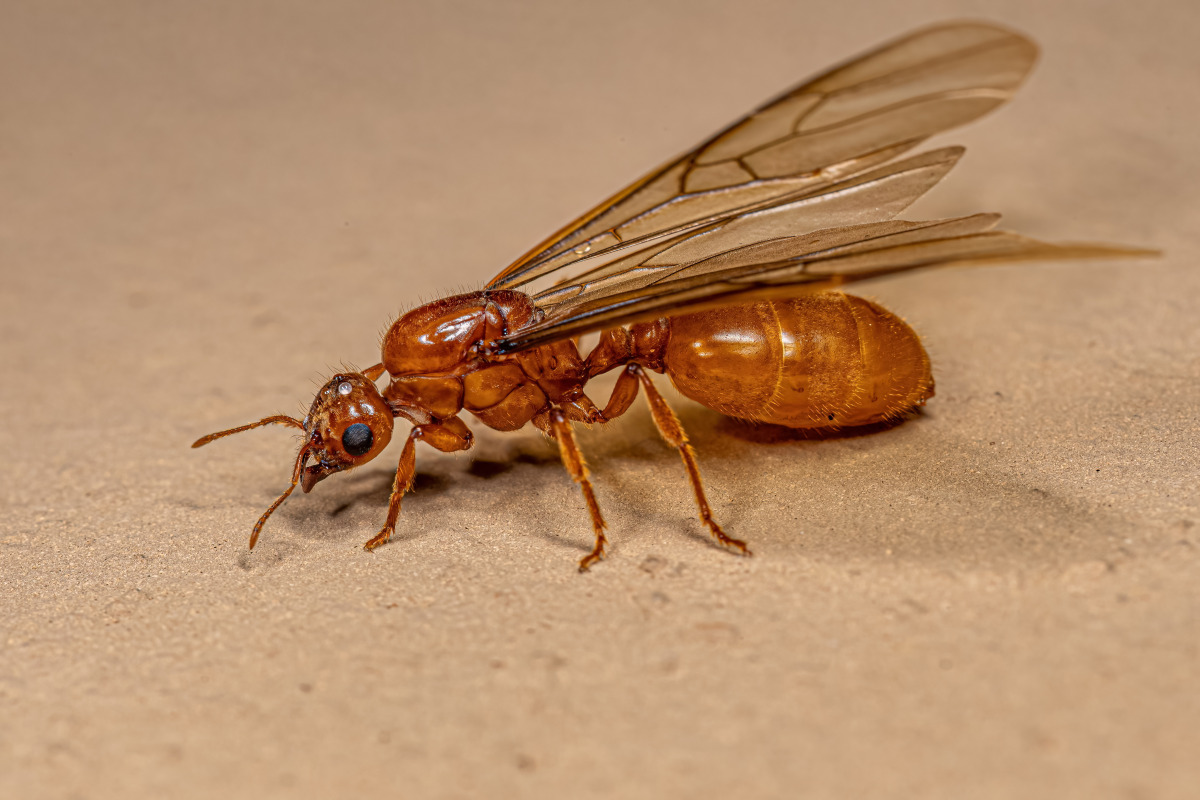
Thief Ant Quick Facts

Size

Approximately 1/32 to 1/16 inch long

Color

Pale yellow, golden yellow, or light brown

How to Identify

Extremely small workers with two waist nodes; professional identification is often needed because they resemble pharaoh ants

Active Season

Indoor colonies may remain active year-round in South Florida, while outdoor activity is most noticeable during warm weather

Indoor or Outdoor

Found indoors and outdoors, including soil, wall voids, cabinets, baseboards, and spaces near other ant colonies

Day or Night

Thief ants may forage during the day or at night, but their tiny concealed trails are easiest to notice when food is available.

Diet

Thief ants favor grease, oils, meat, cheese, nuts, seeds, dead insects, and the larvae or pupae of other ants.

About Thief Ants

Thief ants, commonly identified as Solenopsis molesta, are among the smallest ants likely to enter a South Florida home or business. Their name comes from their habit of nesting near larger ant colonies and stealing food, larvae, and pupae through narrow tunnels.

Workers are pale yellow to light brown and can be difficult to distinguish from pharaoh ants without magnification. Their tiny size allows them to enter food packages, cabinets, wall gaps, and other spaces that larger ants cannot use. Thief ants do not consume structural wood, but colonies can become persistent when they establish near kitchens, pantries, food-storage rooms, or concealed building voids. Accurate identification matters because their food preferences and nesting habits differ from those of other small household ants.

Where Are Thief Ants Commonly Found?

Outdoor Nesting Areas

Thief ants often establish nests in soil or protected ground-level spaces, including:

  • Beneath rocks, boards, and landscape materials
  • Under logs or decaying wood
  • In exposed soil or beneath mulch
  • Around pavement and foundation edges
  • Near tree roots
  • Inside abandoned insect cavities
  • Close to the nests of larger ants

A thief ant colony may construct small tunnels leading toward a neighboring ant nest, allowing workers to take food and developing ants while remaining in spaces too narrow for the larger species to enter.

Indoor Hiding Places

Inside homes and commercial buildings, thief ants may occupy wall and cabinet voids, spaces behind baseboards, gaps beneath countertops, cracks around sinks and plumbing, areas behind appliances, spaces beneath flooring, electrical openings, and small cavities near pantries or food-storage rooms.

South Florida Conditions That Support Activity

South Florida’s warm climate supports outdoor colonies for much of the year. Air-conditioned buildings also provide protected nesting areas where temperature, moisture, and food remain relatively stable. Grease residue, pet food, clutter, plumbing gaps, foundation cracks, and poorly sealed food containers can make activity more noticeable.

Thief Ant Behavior and Attractants

Why They Are Called Thief Ants

Colonies often nest near larger ants. Workers use narrow underground passages to enter the neighboring colony and take stored food, larvae, and pupae. These stolen resources are carried back to their own nest and consumed.

Feeding Habits

Thief ants are sometimes called grease ants because they commonly prefer oily and protein-rich foods. Workers may be attracted to cooking grease, meat, cheese, nuts, seeds, pet food, dead insects, protein-rich crumbs, and developing ants from nearby colonies. They may occasionally visit sweets, but sugary bait alone may receive little attention.

Movement Through Buildings

Their very small size allows workers to travel through wall seams, cabinet joints, flooring gaps, plumbing openings, and food packaging. Trails may disappear behind a baseboard or cabinet before the nesting area becomes obvious.

Activity Patterns

Thief ants may forage during the day or at night. Activity is influenced by temperature, disturbance, food availability, and colony location. Workers may quickly change routes when a food source is removed.

Thief Ant Concerns

Food Invasion

Thief ants are primarily nuisance and food-invading pests. Their ability to enter very small openings can make them troublesome in kitchens, pantries, restaurants, commercial food-storage areas, and other sanitation-sensitive settings.

Workers may gain access to foods that appear securely packaged, especially when containers have loose lids, seams, folds, or small tears. Food with visible ant activity should be discarded, and affected shelves or preparation surfaces should be cleaned.

Property and Health Concerns

Thief ants do not eat wood and are not considered structural wood-destroying insects. They possess a very small stinger, but they are not generally regarded as an important stinging pest for homeowners. Their main concern is persistent foraging and contamination of accessible food rather than aggressive behavior or structural damage.

Identification Matters

Thief ants closely resemble pharaoh ants. Applying a management strategy intended for the wrong species may reduce visible workers without addressing the actual nesting sites and food preferences.

When Are Thief Ants Active in South Florida?

Thief ant activity can continue throughout the year inside South Florida buildings. Kitchens, wall voids, appliances, plumbing areas, and storage spaces may provide stable conditions regardless of the outdoor season.

  • Outdoor foraging is generally more noticeable during warm weather.
  • Heavy rain may disturb shallow nests and push workers toward protected foundation gaps or indoor spaces.
  • Dry weather may concentrate activity near irrigation, plumbing leaks, condensation, kitchens, and pet-feeding areas.
  • Cold fronts can reduce outdoor movement temporarily while indoor colonies remain active.
  • Winged reproductive ants may emerge during favorable warm-weather periods.

A temporary disappearance of the trail does not necessarily mean the colony is gone, especially when the nest is protected inside a wall, beneath flooring, or near heated equipment.

Why You May Not Be Able to Eradicate Thief Ants On Your Own

DIY efforts may reduce visible thief ant workers without reaching the concealed colony. Professional inspection becomes more practical when ants repeatedly enter packaged foods, appear in several rooms, emerge from structural gaps, or cannot be distinguished from pharaoh ants.

  • Misidentifying the Species | Thief ants are easily confused with pharaoh ants and other tiny yellow ants.
  • Using Sweet Bait Alone | Thief ants often prefer grease and protein, so bait designed mainly for sugar-feeding ants may be ignored.
  • Treating Only the Trail | The nest may be inside a wall, beneath flooring, outdoors in soil, or beside another ant colony.
  • Missing Multiple Colonies | A property may contain more than one concealed nesting site or colony with several queens.
  • Leaving Competing Food Available | Cooking grease, meat residue, pet food, nuts, and poorly sealed products may compete with control materials.
  • Missing Tiny Access Points | Their size allows thief ants to use cabinet seams, utility gaps, plumbing openings, and packaging defects that are easy to overlook.
thief ant treatment in South Florida

Lower-Impact Options

When appropriate, we prioritize monitoring, precise bait placement, sanitation, exclusion, and localized applications to reduce unnecessary product use.

The Pest Busterzz Approach to Thief Ant Treatment

Pest Busterzz focuses on identifying thief ants, locating concealed nesting areas, and correcting the food, moisture, and access conditions that support recurring activity.

01

Inspection

We confirm the ant species and inspect cabinets, pantries, baseboards, countertops, appliances, plumbing openings, wall gaps, utility penetrations, exterior foundations, soil, and nearby ant nesting areas.

02

Targeted Treatment

Based on the inspection, treatment may include carefully selected baiting, localized treatment, crack-and-crevice applications, accessible void treatment, exterior management, exclusion, and sanitation recommendations.

03

Monitoring & Follow-Up

We monitor trails, evaluate bait acceptance, and inspect new areas where workers appear. Follow-up timing depends on nest distribution, food availability, surrounding conditions, and treatment response.

04

Prevention

Recommendations may include cleaning grease and food residue, storing oily and protein-rich foods in tightly sealed containers, repairing leaks, sealing utility openings, reducing clutter, and inspecting incoming boxes.

Workers are usually between 1/32 and 1/16 inch long. Their pale color and tiny size make them difficult to notice individually. Customers often first detect them around grease, pet food, meat residue, or opened food packages.

They frequently nest close to larger ant colonies and use narrow connecting tunnels to steal food, larvae, and pupae. The larger ants may be unable to follow them through these tiny passages.

Reliable differences involve the antennae and other features that require magnification. Thief ants have 10 antennal segments with a two-segmented club, while pharaoh ants have 12 segments with a three-segmented club.

Kitchens offer grease, oils, meat residue, cheese, pet food, crumbs, moisture, and narrow protected spaces. Workers may be nesting inside a wall or cabinet or entering through a small foundation or plumbing gap.

They can enter packages through very small seams, folds, tears, or imperfect closures. Containers that appear closed may not be ant-proof. Foods with evidence of ant activity should be discarded.

No. Thief ants do not eat wood or create the structural damage associated with termites or carpenter ants. They may nest in existing cracks and voids, but their main impact is food invasion and nuisance activity.

Many common household baits emphasize sweet attractants. Thief ants often prefer grease, oil, and protein-rich foods. Competing food residue, poor placement, contamination, or an incorrectly identified species may also reduce acceptance.

Usually not by itself. Contact sprays mainly affect exposed workers and may not reach a colony inside a wall, beneath flooring, outdoors in soil, or beside another ant nest.

Recurring activity may mean the nest was not located, several colonies are present, competing food remains available, or tiny entry points and structural gaps have not been addressed.

Consider professional service when ants repeatedly enter food, appear in several areas, emerge from walls or cabinets, or remain after sanitation and DIY treatment. Inspection is also useful when the ants could be pharaoh ants.

Pest Busterzz Home Icon

faqs

Thief Ant FAQs