

Pest Library
Surinam Cockroach Control in South Florida
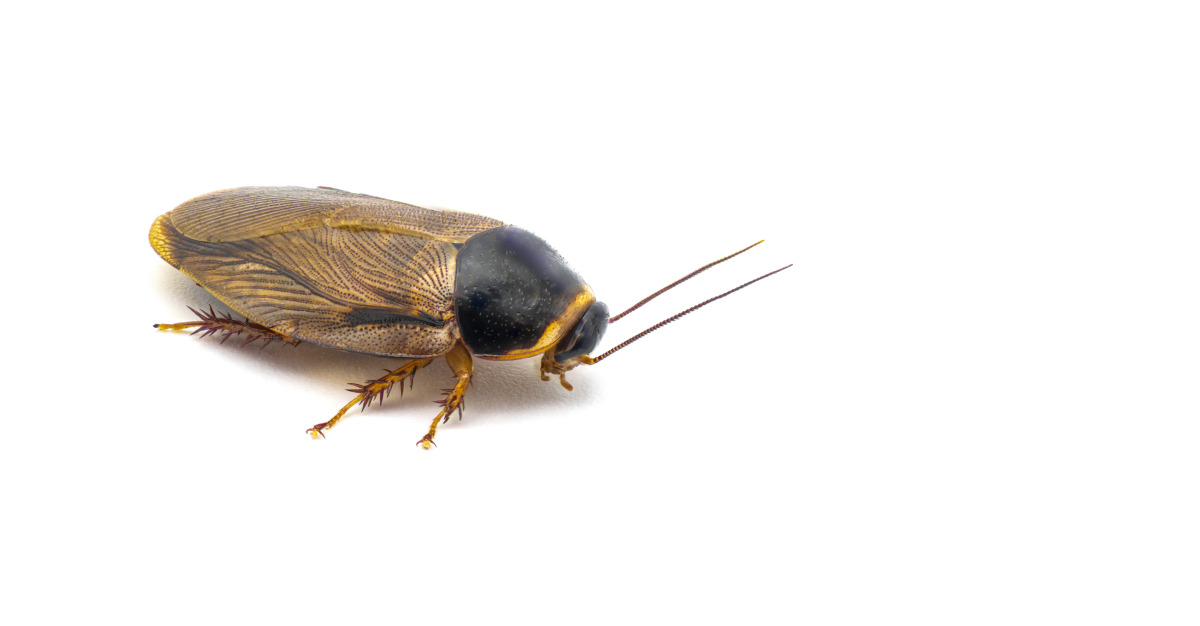
Surinam Cockroach Quick Facts
Size
Approximately 3/4 to 1 inch long
Color
Shiny dark brown to black, with brownish wings and a pale yellow margin behind the head
How to Identify
A broad, oval body with full-length wings and a distinct pale border along the front of the shield behind the head
Active Season
Active year-round in South Florida, especially in warm, moist soil and irrigated landscaping
Indoor or Outdoor
Primarily outdoors in soil, mulch, compost, and potted plants; it may be carried indoors with infested plants
Day or Night
Mostly active at night or while hidden beneath soil and debris; individuals may surface when soil is disturbed or overly wet.
Diet
Feeds on decaying plant material, roots, and other organic matter in soil and planting media.
About Surinam Cockroaches
How Surinam Cockroaches Spread Through Potted Plants
Surinam cockroaches are frequently moved from place to place inside plant containers rather than by openly traveling through a building. Adults and nymphs can remain concealed in potting mix, beneath the root ball, under saucers, or inside moist organic debris. Because females in U.S. populations can reproduce without mating, one transported female may be enough to begin activity in another suitable planter.
Check plants before bringing them indoors, especially after they have rested directly on soil or mulch. Nursery stock, divided plants, reused pots, compost, and stored potting media also deserve attention. Finding repeated activity in several containers may indicate that the problem is connected to shared soil, irrigation practices, or newly introduced plant material.
Why DIY Surinam Cockroach Control Falls Short
Surinam cockroaches can be difficult to manage because most of the population may remain hidden below soil or inside a planter. Professional service becomes a practical next step when cockroaches repeatedly emerge from indoor plantings, appear in multiple pots, damage roots, spread through a greenhouse or atrium, or cannot be reliably distinguished from another cockroach species.

Lower-Impact Options
When appropriate, we prioritize precise placement, monitoring, localized applications, plant and soil inspections, sanitation, and habitat changes to reduce unnecessary product use.
The Pest Busterzz Surinam Cockroach Treatment Approach
Pest Busterzz focuses on identifying the species, locating infested soil or plant material, reducing active populations, and addressing the conditions that allow Surinam cockroaches to return.
Inspection
We confirm the cockroach species and inspect potted plants, root zones, mulch, compost, greenhouse benches, indoor planters, irrigation patterns, and nearby organic debris for activity and breeding conditions.
Targeted Treatment
Based on the inspection, treatment may include localized treatment of infested planting areas, exterior management, breeding-site reduction, sanitation recommendations, and removal or replacement of heavily infested organic material. The plan depends on the plants, property, activity level, and location of the cockroaches.
Monitoring & Follow-Up
We monitor soil-surface activity and affected plants, evaluate results, adjust the plan when needed, and inspect newly discovered pots or planting areas. Follow-up timing depends on the extent of activity and conditions found.
Prevention
Recommendations may include avoiding overwatering, improving container drainage, reducing excessive mulch and leaf litter, inspecting new nursery plants, replacing heavily infested potting media when appropriate, and keeping compost or organic debris away from entrances.
faqs
Surinam Cockroach FAQs
Schedule a Surinam Cockroach Inspection in South Florida
If cockroaches are emerging from potted plants, mulch, greenhouse beds, or indoor landscaping, Pest Busterzz can identify the species and determine where activity is developing. We create a treatment plan based on the inspection findings and recommend practical changes that may reduce the moisture, soil, and organic material conditions allowing Surinam cockroaches to return.