

Pest Library
Cuban Cockroach Control in South Florida
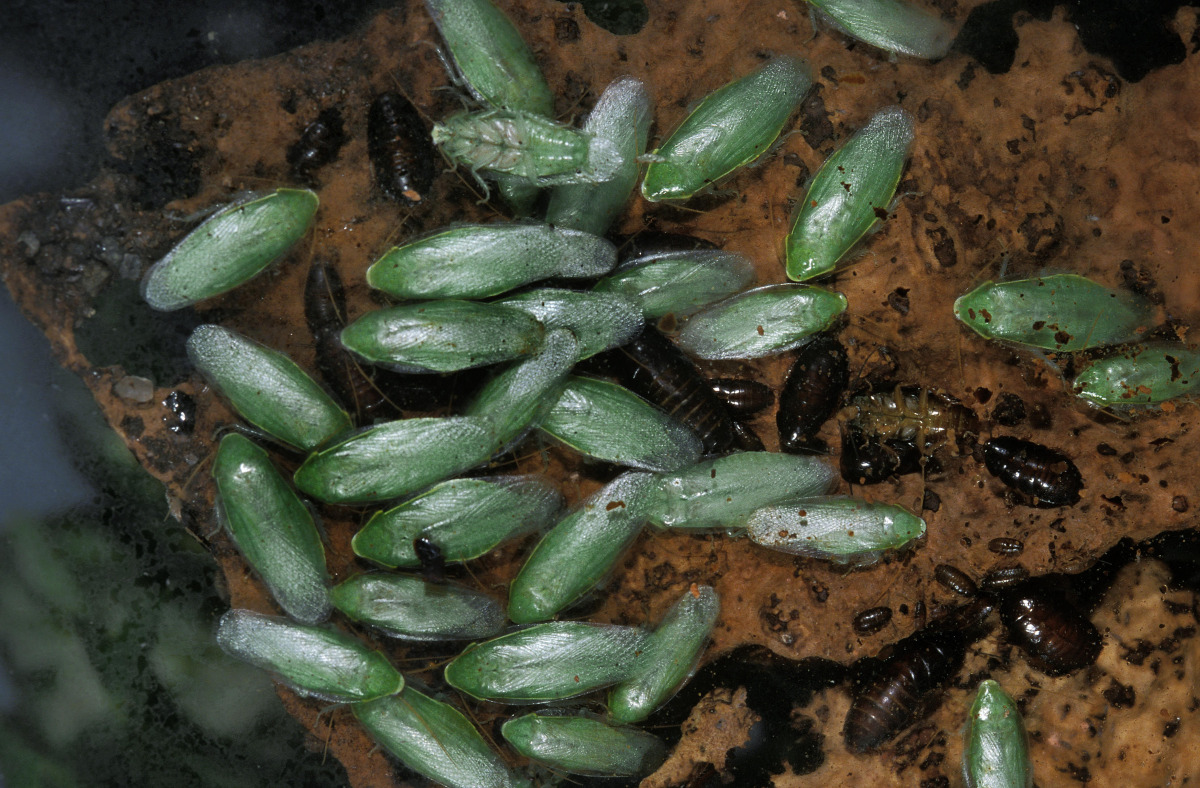
Cuban Cockroach Quick Facts
Size
Approximately 7/8 to 1 inch long as an adult
Color
Adults are pale to bright green; nymphs are dark brown to nearly black
How to Identify
Smooth, leaf-green adult body with long wings and a thin yellow border behind the head
Active Season
Active year-round in South Florida, with adults most noticeable on warm, humid nights
Indoor or Outdoor
Primarily outdoors; adults may accidentally fly indoors but do not normally breed inside buildings
Day or Night
Mostly active at night, when flying adults may gather near porch lights, windows, and illuminated entryways.
Diet
Nymphs feed mainly on decaying plant material and other organic matter in soil, leaf litter, mulch, and rotting wood.
About Cuban Cockroaches
Why DIY Cuban Cockroach Control May Fall Short
An occasional Cuban cockroach can often be removed without a larger treatment. Recurring sightings, uncertain identification, or activity around a business may justify a professional inspection because the source is usually outdoors and may involve lighting, landscaping, moisture, or several entry routes.

Lower-Impact Options
When appropriate, Pest Busterzz may emphasize inspection, precise exterior treatment, exclusion, lighting adjustments, and habitat recommendations to reduce unnecessary indoor product use.
The Pest Busterzz Cuban Cockroach Treatment Approach
Pest Busterzz begins by confirming the cockroach species and determining whether the activity comes from an outdoor Cuban cockroach population or a different cockroach established inside.
Inspection
We identify the cockroach, inspect exterior lights and entry points, and examine mulch, leaf litter, vegetation, decaying wood, stored materials, and other damp outdoor areas that may support activity.
Targeted Treatment
Based on the findings, the plan may include localized exterior treatment, crack-and-crevice work at entry areas, exclusion, or habitat modification. The exact methods depend on where cockroaches are developing and how adults are reaching the building.
Monitoring & Follow-Up
We evaluate whether sightings decline, check for additional entry routes or outdoor harborage, and adjust the plan when new activity or conditions are discovered.
Prevention
Recommendations may include reducing leaf litter and rotting wood, allowing wet mulch to dry, moving firewood away from entrances, repairing screens, sealing gaps, and changing the placement or type of exterior lighting.
faqs