

Pest Library
Black Salt Marsh Mosquito Control in South Florida
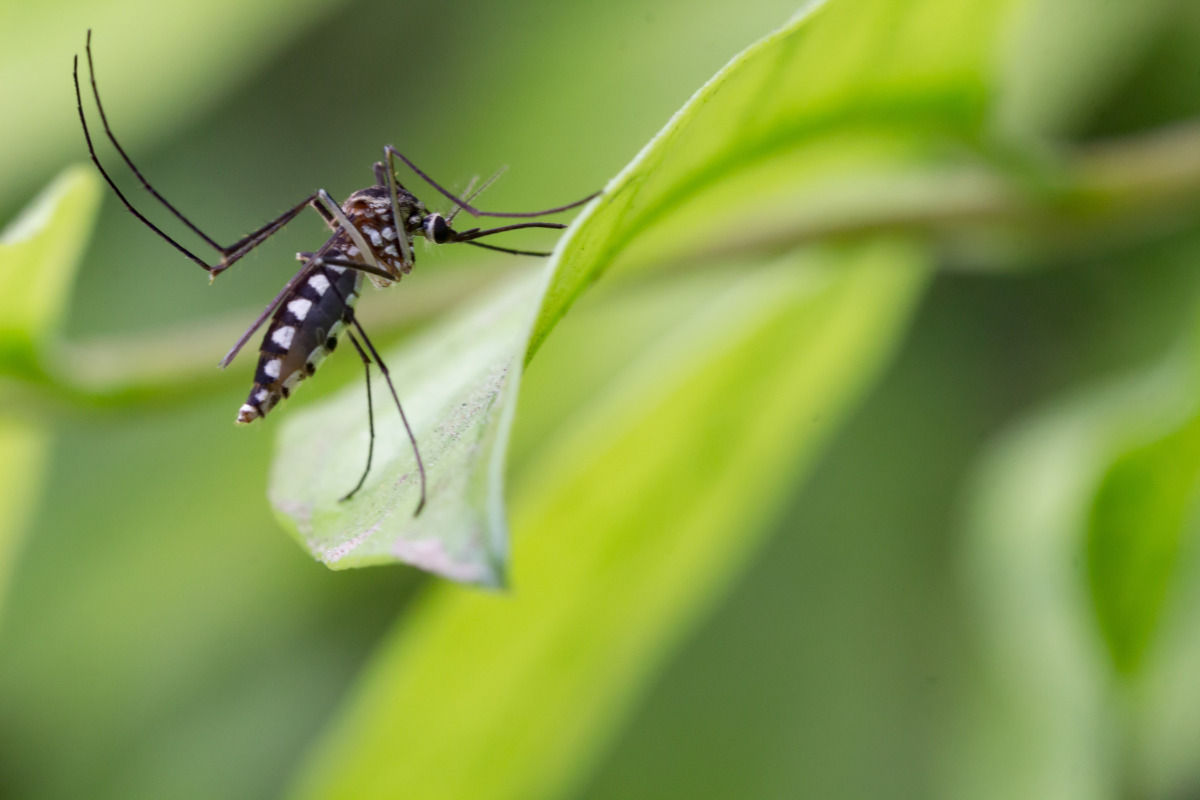
Black Salt Marsh Mosquito Quick Facts
Size
Adults are usually about 1/8 to 1/4 inch long, not including the legs
Color
Mostly dark brown to black with pale bands on the legs and a distinct white band around the middle of the proboscis
How to Identify
A dark mosquito with pale-banded legs and a noticeable white ring around the middle of its long mouthpart; exact identification may require a professional
Active Season
Active year-round in South Florida, with major increases after high tides, heavy rain, flooding, and warm weather
Indoor or Outdoor
Primarily outdoors near coastal marshes, mangroves, shaded vegetation, and properties within flying range of breeding habitat
Day or Night
Females may bite during the day or evening, with activity often strongest near dawn, dusk, shaded areas, and after large coastal hatches.
Diet
Females take blood meals from people and other mammals to produce eggs; males and females also feed on plant sugars and nectar.
About Black Salt Marsh Mosquitoes
Why Mosquito Activity Can Increase Without Standing Water in Your Yard
Black salt marsh mosquitoes often develop in coastal wetlands rather than in small containers beside a home. Their eggs remain on damp marsh soil until tides, storms, or rain flood the area. After the larvae complete development, adults can fly away from the breeding site and reach surrounding neighborhoods and commercial properties. That means emptying a birdbath or flowerpot is still worthwhile for controlling other mosquito species, but it may not stop a regional wave of black salt marsh mosquitoes. When activity rises suddenly across several nearby properties, the source may be a flooded marsh, mangrove zone, canal edge, or low-lying coastal area outside the customer’s control. A property inspection helps separate on-site breeding and resting conditions from mosquitoes arriving from broader coastal habitat.
Why DIY Black Salt Marsh Mosquito Control Can Fail
DIY steps can reduce exposure, but results may be incomplete when adults are arriving from coastal habitat beyond the property. Professional service is especially practical when biting remains heavy, activity affects customers or residents, the mosquito species is uncertain, or the property contains extensive shaded vegetation and difficult-to-inspect water or drainage areas.

Lower-Impact Options
When appropriate, Pest Busterzz may prioritize precise treatment of resting areas, breeding-site reduction, screening and exclusion recommendations, monitoring, and habitat adjustments to reduce unnecessary product use. The exact approach depends on the property and inspection findings.
The Pest Busterzz Black Salt Marsh Mosquito Treatment Approach
Pest Busterzz evaluates where black salt marsh mosquitoes are resting, entering outdoor-use areas, and developing nearby, then builds a plan around the property conditions found during inspection.
Inspection
We evaluate mosquito activity, look for the pale-banded features associated with black salt marsh mosquitoes, inspect shaded adult resting sites, check screens and entry points, and distinguish property-level water sources from likely off-site coastal breeding pressure.
Targeted Treatment
Based on the inspection, the plan may include targeted exterior management of adult resting areas, treatment of appropriate on-site water sources, vegetation and drainage recommendations, and exclusion measures. Product selection and placement depend on the site, mosquito activity, nearby sensitive areas, and label requirements.
Monitoring & Follow-Up
We review mosquito activity after service, evaluate whether resting or breeding conditions remain, and adjust the plan when new problem areas or changing weather patterns are identified. Follow-up needs depend on the level and source of activity.
Prevention
Recommendations may include repairing screens, improving airflow, thinning overly dense vegetation, correcting avoidable drainage problems, maintaining pools and water features, removing unnecessary standing water, and coordinating with local mosquito-control authorities when a regional hatch is suspected.
faqs