

Pest Library
Floodwater Mosquito Control in South Florida
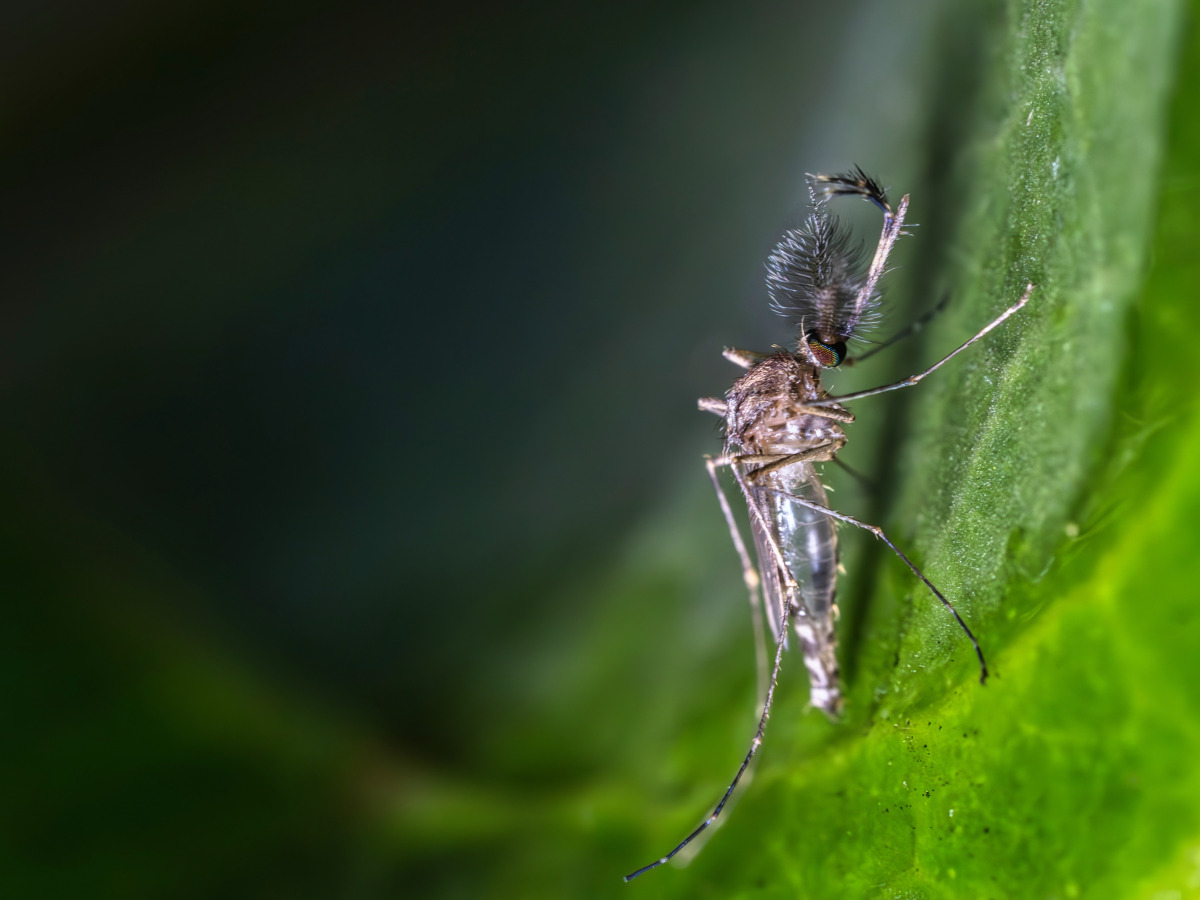
Floodwater Mosquito Quick Facts
Size
Adults vary by species, commonly about 1/4 to 1/2 inch long
Color
Usually brown, gray, or dark-colored, sometimes with pale bands or markings
How to Identify
Slender body, one pair of narrow wings, long legs, and a noticeable proboscis; exact markings vary by species
Active Season
Possible year-round in South Florida, with sharp increases after heavy rain, tropical weather, flooding, or irrigation
Indoor or Outdoor
Primarily outdoors near temporary pools, flooded soil, ditches, swales, and dense vegetation; adults may enter buildings through openings
Day or Night
Activity varies by species. Many floodwater mosquitoes bite during the day or around dawn and dusk, while others remain active after dark.
Diet
Adults feed on plant sugars and nectar. Females of biting species also take blood meals from people or animals to develop eggs.
About Floodwater Mosquitoes
How DIY Floodwater Mosquito Control Falls Short
DIY steps can reduce mosquito pressure, especially when standing water is limited to containers on one property. However, recurring floodwater mosquito activity may originate from broad, temporary breeding areas that are difficult to inspect or manage without professional equipment and species knowledge.

Lower-Impact Options
When appropriate, Pest Busterzz may prioritize breeding-site reduction, precise exterior applications, exclusion, monitoring, and habitat recommendations to reduce unnecessary product use.
The Pest Busterzz Floodwater Mosquito Treatment Approach
Pest Busterzz begins with identification and a property-specific inspection, then develops a plan based on mosquito activity, weather, breeding conditions, and the surrounding environment.
Inspection
We evaluate adult activity, likely mosquito type, temporary water, drainage patterns, vegetation, containers, access points, and neighboring conditions that may be contributing to the problem.
Targeted Treatment
Based on inspection findings, the plan may include breeding-site reduction, habitat modification, targeted exterior management, and recommendations for doors, screens, drainage, or water-holding areas. Methods depend on the species and conditions present.
Monitoring & Follow-Up
We evaluate changes in adult activity, inspect newly flooded areas, and adjust the plan when weather or property conditions create new breeding opportunities. The need and timing of follow-up vary by site.
Prevention
Recommendations may include improving drainage, correcting irrigation issues, emptying or covering water-holding items, trimming dense vegetation, maintaining screens, and reducing shaded resting areas near frequently used spaces.
faqs