

Gallinipper Mosquito

Pest Busterzz Home Icon

Pest Library

Gallinipper Mosquito Control in South Florida
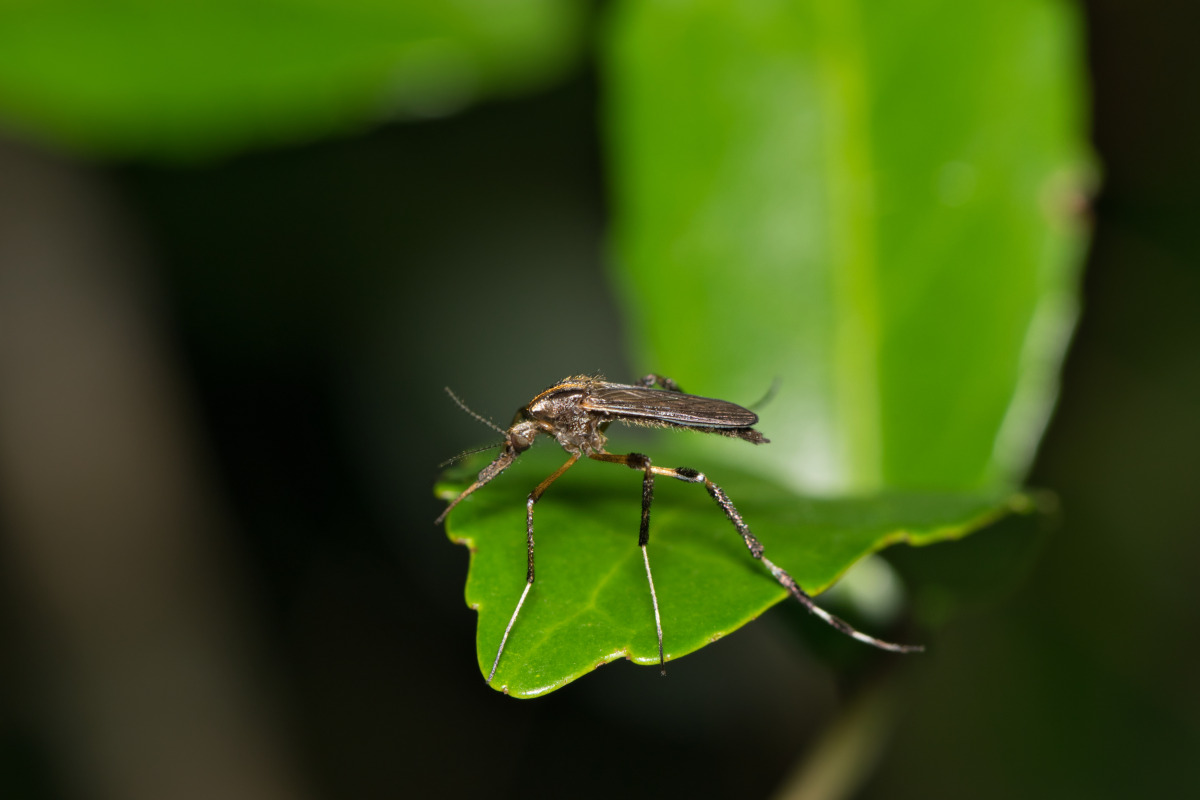
Gallinipper Mosquito Quick Facts

Size

One of Florida’s largest mosquitoes; females have wings about 1/4 inch long

Color

Dark brown to black with yellow markings and banded legs

How to Identify

Large body, yellow-scaled markings, and shaggy dark scales on the hind legs

Active Season

Most noticeable after heavy rain or flooding, especially during South Florida’s warm rainy season

Indoor or Outdoor

Primarily outdoors near temporary floodwater habitats; adults may enter buildings through open doors or damaged screens

Day or Night

Females may seek hosts during the day or at night, with activity influenced by weather, shade, and host availability.

Diet

Adult females take blood meals from mammals, while adults also use plant sugars; later-stage larvae prey on aquatic invertebrates, including other mosquito larvae.

About Gallinipper Mosquitoes

The gallinipper mosquito, Psorophora ciliata, is one of the largest mosquitoes found in Florida. It is recognized by its dark body, yellow-scaled markings, banded legs, and noticeably shaggy scales on the hind legs. Its unofficial common name reflects its large size and reputation for a persistent, painful bite.

Gallinippers are floodwater mosquitoes. They may suddenly appear around South Florida homes, businesses, pastures, wooded lots, and low-lying landscapes after heavy rainfall covers eggs that were deposited in damp soil. They are mainly an outdoor nuisance, but adult females may follow people or animals near buildings and occasionally enter through open doors or damaged screens.

Where Do Gallinipper Mosquitoes Breed?

Floodwater Breeding Sites

Gallinippers deposit eggs in damp soil and low-lying areas that periodically flood. The eggs do not need permanent water when they are laid. Instead, they remain in the soil until rainfall or flooding covers them and triggers hatching. Common habitats include:

  • Roadside and drainage ditches
  • Grassy depressions and temporary pools
  • Pastures and flooded fields
  • Woodland pools and swampy low spots
  • Furrows in agricultural or citrus-growing areas
  • Large containers or neglected areas that temporarily hold rainwater

Where Adults Rest

Adult mosquitoes often rest in shaded, humid vegetation when they are not flying or feeding. Dense shrubs, tall grass, overgrown fence lines, wooded edges, and protected areas beneath decks or landscape plants can provide daytime shelter close to people and animals.

South Florida Conditions That Support Activity

South Florida’s warmth, frequent thunderstorms, tropical systems, irrigation, and flood-prone landscapes can create repeated hatching opportunities. A property may experience noticeable activity even when it has few small containers, because gallinippers can originate from larger temporary-water areas beyond the immediate yard.

Gallinipper Mosquito Behavior

Feeding Habits

Female gallinippers readily take blood meals from mammals, including people, livestock, and wildlife. Their large size and persistent host-seeking behavior can make the bite more noticeable than the bite of many smaller mosquitoes. Male mosquitoes do not take blood meals; adults also use plant sugars for energy.

Predatory Larvae

The earliest larval stage filters small material from the water. Later larval stages are predators that grasp and consume aquatic invertebrates, including other mosquito larvae, and may also be cannibalistic. This unusual behavior does not make adult gallinippers desirable around people because the adult females are still aggressive biting pests.

Rapid Development After Flooding

Once floodwater covers viable eggs, larvae can develop quickly in warm temporary pools. A synchronized hatch may produce a sudden wave of large adults several days after a major rain event. Activity can seem to begin all at once even though the eggs were already present in the soil.

Host-Seeking Activity

Gallinippers may seek hosts during daylight or after dark. Activity depends on weather, shade, humidity, wind, and the presence of people or animals. Adults are strong fliers, so the breeding source may not be located directly beside the place where bites occur.

Bites and Other Gallinipper Concerns

Painful Bites

The main concern associated with gallinippers is nuisance biting. Female mosquitoes can pursue people and other mammals, and their bites may feel more painful because of the mosquito’s large size. Typical mosquito-bite reactions may include temporary redness, itching, swelling, or soreness. Avoid scratching and seek medical guidance for a severe or unusual reaction.

Disease Risk

Gallinippers have occasionally tested positive for several viruses during surveillance, but research has not confirmed Psorophora ciliata as a competent bridge vector of pathogens of medical or veterinary importance. UF/IFAS lists this species as not known to vector mosquito-borne pathogens. That distinction is important because disease risk varies greatly among mosquito species.

Outdoor Disruption

After storms or flooding, a local emergence can make patios, pools, worksites, recreational areas, and animal-care spaces uncomfortable. Businesses with outdoor seating or customer areas may also receive complaints when large mosquitoes remain active around entrances and landscaping.

When Are Gallinipper Mosquitoes Active in South Florida?

Gallinipper activity is closely tied to flooding rather than a fixed calendar date. In South Florida, adults are most likely to become noticeable during the warm rainy season and after thunderstorms, tropical systems, prolonged rainfall, or irrigation and drainage problems flood low-lying soil.

Activity may rise after:

  • Heavy thunderstorms or several days of rain
  • Tropical storms and hurricanes
  • Flooding of ditches, fields, pastures, or wooded depressions
  • Drainage failures that create broad temporary pools
  • Warm conditions that speed larval development

Eggs in damp soil can tolerate dry periods and hatch when water returns. This allows activity to reappear after conditions that seemed too dry for mosquitoes. Cooler or drier weather may reduce visible adults, but another flooding event can trigger a new hatch from suitable soil habitats.

Why Gallinipper Activity Can Increase So Suddenly

A gallinipper outbreak often begins before any adult mosquito is visible. Females deposit drought-tolerant eggs in damp soil that is likely to flood later. When a major rain event covers that soil, many eggs may hatch during the same period. Warm water then supports rapid larval development, so large biting adults can appear within days. This also explains why treating a patio alone may not stop the problem: the mosquitoes may be emerging from a ditch, field, wooded depression, or other temporary pool nearby. Identifying the weather pattern and the surrounding floodwater habitat helps determine whether the issue is a short-lived emergence or part of a recurring property condition.

Why DIY Gallinipper Mosquito Control Falls Short

Gallinipper activity can be difficult to reduce when the breeding source is a large flooded area, ditch, pasture, or wooded depression beyond the most obvious parts of the property. Professional service may be practical when biting remains heavy after rainfall, the source cannot be located, or outdoor areas cannot be used comfortably.

  • Treating Only Resting Adults | Killing a few mosquitoes near a doorway or patio does not address eggs and larvae developing in temporary floodwater or adults resting throughout dense vegetation.
  • Focusing Only on Small Containers | Emptying buckets and flowerpot saucers is useful for many mosquitoes, but gallinippers may be emerging from flooded soil, grassy pools, fields, or drainage areas that require a broader inspection.
  • Using a One-Time Contact Spray | A short-lived spray may reduce mosquitoes that are present at that moment without controlling continuing emergence, shaded resting sites, or new adults flying in from nearby floodwater habitat.
  • Missing the Breeding Source | The source may be a ditch, pasture, swale, construction depression, wooded low spot, or neighboring parcel rather than standing water immediately beside the building.
  • Overlooking Dense Resting Areas | Tall grass, heavy shrubs, shaded landscape beds, and overgrown property edges can shelter adults between feeding periods and allow biting pressure to remain high.
  • Applying Products Without Matching the Habitat | Mosquito products and application sites vary. Label directions, environmental conditions, nearby water, vegetation, and the actual species all affect whether a treatment is appropriate.
Gallinipper mosquito treatment in South Florida

Lower-Impact Options

When appropriate, we prioritize source reduction, targeted placement, vegetation and habitat recommendations, monitoring, and focused exterior management to reduce unnecessary product use.

The Pest Busterzz Gallinipper Mosquito Treatment Approach

Pest Busterzz begins by identifying the mosquito, locating likely breeding and resting areas, and developing a plan based on rainfall, property conditions, and the extent of biting activity.

01

Inspection

We confirm whether the large mosquito is consistent with a gallinipper and inspect ditches, low spots, temporary pools, drainage features, containers, dense vegetation, and nearby areas that may support breeding or adult resting activity.

02

Targeted Treatment

Based on the inspection, the plan may include breeding-site reduction, targeted exterior treatment, management of adult resting areas, and practical habitat changes. The methods and timing depend on the property, weather, water conditions, and activity level.

03

Monitoring & Follow-Up

We evaluate mosquito activity after service, account for new rainfall or flooding, and adjust the plan when additional breeding or resting areas become apparent. Follow-up needs depend on continuing weather and surrounding conditions.

04

Prevention

Recommendations may include correcting drainage where practical, removing avoidable temporary water, maintaining vegetation, repairing screens, keeping doors closed, and coordinating with local mosquito-control resources when broad floodwater habitat is involved.

Yes. Psorophora ciliata is found throughout Florida. In South Florida, it is most likely to become noticeable when heavy rain or flooding fills grassy depressions, ditches, fields, wooded low spots, and other temporary-water habitats.

Look for an unusually large mosquito with a dark body, yellow-scaled markings, banding on the legs and proboscis, and pronounced shaggy-looking dark scales on the hind legs. Several large mosquito species occur in Florida, so a professional may be needed for reliable identification.

Gallinippers are floodwater mosquitoes. Females lay eggs in damp soil, and the eggs may remain dry until rainfall or flooding covers them. Many eggs can hatch at once, followed by rapid larval development and a noticeable emergence of adults.

Typical sites include temporary grassy pools, flooded fields, roadside ditches, woodland depressions, pasture areas, agricultural furrows, and other low-lying soil that alternates between dry and flooded conditions. The source may be beyond the immediate yard.

Yes. Adult females feed on mammals and readily bite people. Because gallinippers are large and persistent, the bite can feel more painful than a typical mosquito bite. Reactions usually resemble other mosquito bites, although individual sensitivity varies.

UF/IFAS reports that gallinippers are not known to vector mosquito-borne pathogens. Although individual specimens have tested positive for certain viruses during surveillance, research has not confirmed this species as a competent bridge vector of medical or veterinary pathogens.

Emptying containers is still good mosquito prevention, but it may not solve a gallinipper problem by itself. This species often develops in broad temporary floodwater habitats such as ditches, fields, grassy depressions, and wooded pools rather than only in small household containers.

Consider an inspection when large mosquitoes repeatedly bite around entrances, patios, pools, animal areas, or commercial outdoor spaces; when activity surges after rain; or when the likely breeding source cannot be identified or managed with ordinary property maintenance.

Pest Busterzz Home Icon

faqs

Gallinipper Mosquito FAQs

Schedule Gallinipper Mosquito Control in South Florida

Large, persistent mosquitoes around your South Florida home or business deserve proper identification. Pest Busterzz can inspect the property, evaluate floodwater and resting habitats, and recommend a treatment plan based on current activity and site conditions. Schedule service to reduce biting pressure and address the conditions that may allow mosquito activity to return.