

Pest Library
Dog Flea Control in South Florida
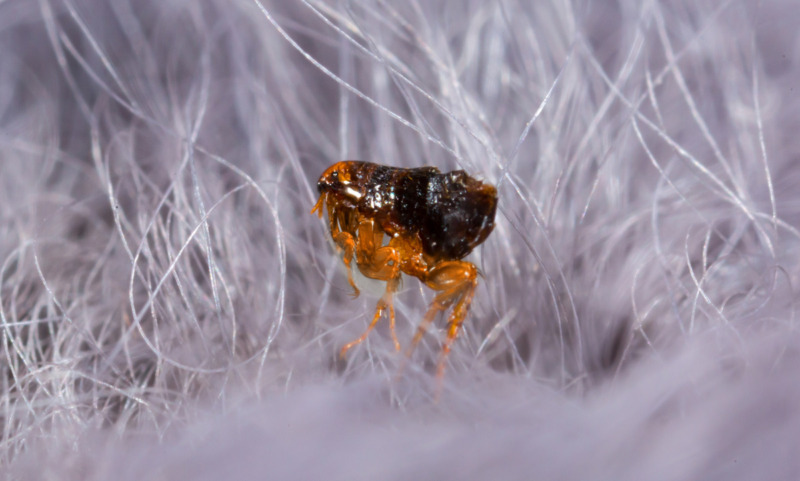
Dog Flea Quick Facts
Size
About 1/16 to 1/8 inch long as an adult
Color
Reddish-brown to dark brown
How to Identify
A tiny, wingless, laterally flattened insect with long hind legs built for jumping
Active Season
Active year-round in South Florida, with faster development during warm, humid conditions
Indoor or Outdoor
Found both on animal hosts and in indoor or outdoor areas where pets rest, sleep, or spend time
Day or Night
Adults feed whenever a suitable host is present; newly emerged fleas may become noticeable after movement, warmth, or vibration triggers them to leave cocoons.
Diet
Adults feed on blood from dogs and other warm-blooded hosts; larvae feed on flea dirt and organic debris in the environment.
About Dog Fleas
Why Flea Dirt Is an Important Warning Sign
Flea dirt is digested blood passed by feeding adult fleas. It may look like fine black pepper in a pet’s coat, bedding, crate, or favorite resting area. One simple identification clue is that the dark material may produce a reddish-brown stain when placed on a damp white paper towel. Flea dirt helps confirm that fleas have been feeding, but its absence does not rule out an infestation. Eggs are pale and difficult to see, larvae hide from light, and pupae are concealed inside debris-covered cocoons. When bites or jumping insects continue despite limited visible evidence, an inspection should focus on the places where pets sleep, rest, and travel rather than only on the pet itself.
How DIY Dog Flea Control Might Fall Short
Flea control can be challenging because the adults seen on a pet or jumping from a carpet represent only one stage of the infestation. Eggs, larvae, and pupae may be spread through multiple rooms or sheltered outdoor areas. Professional service may be appropriate when fleas keep returning, several pets or units are affected, the source is uncertain, or environmental treatment needs to be coordinated with veterinary care.

Lower-Impact Options
When appropriate, Pest Busterzz may prioritize inspection, monitoring, sanitation guidance, precise treatment of flea development areas, and focused exterior management rather than unnecessary broad applications.
The Pest Busterzz Dog Flea Treatment Approach
Pest Busterzz develops a property-specific plan based on where fleas are active, where pets spend time, and which environmental conditions are supporting their life cycle.
Inspection
We inspect pet resting areas, carpeting, furniture edges, baseboards, floor gaps, kennels, shaded outdoor spaces, and other locations where eggs, larvae, pupae, or newly emerged adults may be present. We also consider whether wildlife or visiting animals may be contributing to activity.
Targeted Treatment
Based on inspection findings, service may include targeted treatment of indoor development sites, focused exterior management in shaded animal-use areas, and sanitation or habitat recommendations. Pet treatment should be selected with a veterinarian and coordinated with environmental control.
Monitoring & Follow-Up
We evaluate ongoing adult emergence, review activity in previously affected rooms or outdoor areas, and adjust the plan when newly identified flea hot spots or host sources are found. The need and timing for follow-up depend on infestation level and site conditions.
Prevention
Recommendations may include frequent vacuuming, laundering pet bedding, cleaning crates and resting areas, reducing access by stray animals or wildlife, maintaining outdoor pet areas, and working with a veterinarian on year-round flea prevention for every pet.
faqs
Dog Flea FAQs
Schedule a Dog Flea Inspection in South Florida
Recurring flea activity can involve far more than the adults visible on a pet. Pest Busterzz can inspect your South Florida home or business, confirm where activity is developing, and recommend a treatment plan based on the property, host activity, and environmental findings. We also help identify sanitation and habitat conditions that may allow fleas to return.