

Pest Library
Yellow Jacket Control in South Florida
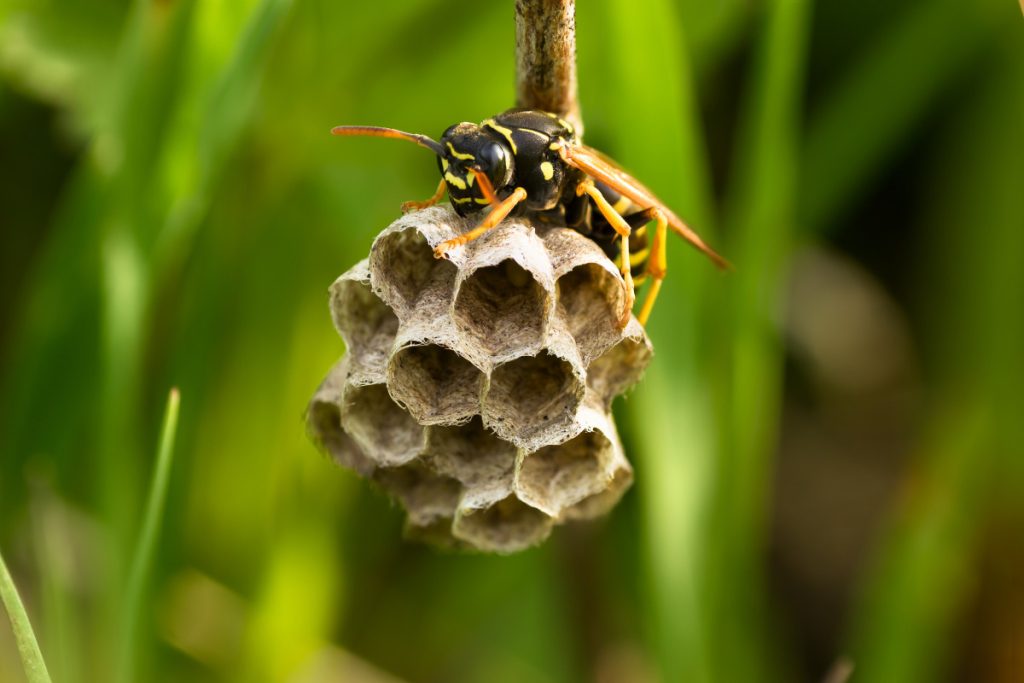
Yellow Jacket Quick Facts
Size
Most workers are about 3/8 to 5/8 inch long; queens may be larger
Color
Typically black with sharply defined yellow or pale markings across the abdomen and face
How to Identify
Compact, smooth-bodied wasp with a narrow waist, short legs, and bold abdominal bands; professional identification may be needed to distinguish it from paper wasps
Active Season
Active for much of the year in South Florida, with colonies and foraging activity often becoming more noticeable during warm months
Indoor or Outdoor
Primarily outdoors, although colonies may occupy wall voids, attics, soffits, or other enclosed structural spaces
Day or Night
Mostly active during daylight, especially while workers are searching for food.
Diet
Adults consume sugary liquids, while workers collect insects and other protein-rich foods for developing larvae.
About Yellow Jackets
Why DIY Yellow Jacket Control Falls Short
Yellow jackets can be difficult to manage because the visible workers may represent only a small portion of a concealed colony. Professional service becomes the more practical next step when the nest cannot be located, wasps are entering a building, activity occurs beside a busy area, identification is uncertain, or someone on the property has a history of serious reactions to stings.

Lower-Impact Options
When appropriate, we emphasize precise treatment placement, monitoring, sanitation improvements, exclusion, and habitat changes to reduce unnecessary product use.
The Pest Busterzz Approach to Yellow Jacket Treatment
Pest Busterzz focuses on confirming the insect, locating the colony, reducing active wasp pressure, and addressing the conditions that may allow yellow jacket activity to return.
Inspection
We confirm that the insects are yellow jackets, observe flight paths from an appropriate distance, and inspect soil openings, landscaping edges, wall penetrations, soffits, rooflines, utility areas, and waste zones.
Targeted Treatment
Based on the inspection, treatment may include localized nest treatment, structural void treatment, exterior management, trapping in selected situations, or carefully planned exclusion after colony activity has been addressed.
Monitoring & Follow-Up
We evaluate whether entrance traffic has declined, check nearby openings, and adjust the plan when newly discovered activity or nesting areas are found.
Prevention
Recommendations may include keeping trash containers closed and clean, removing spilled drinks and food, securing pet food, harvesting overripe fruit, repairing screens, and sealing suitable building gaps after confirming they do not contain an active nest.
faqs