

Pest Library
Granary Weevil
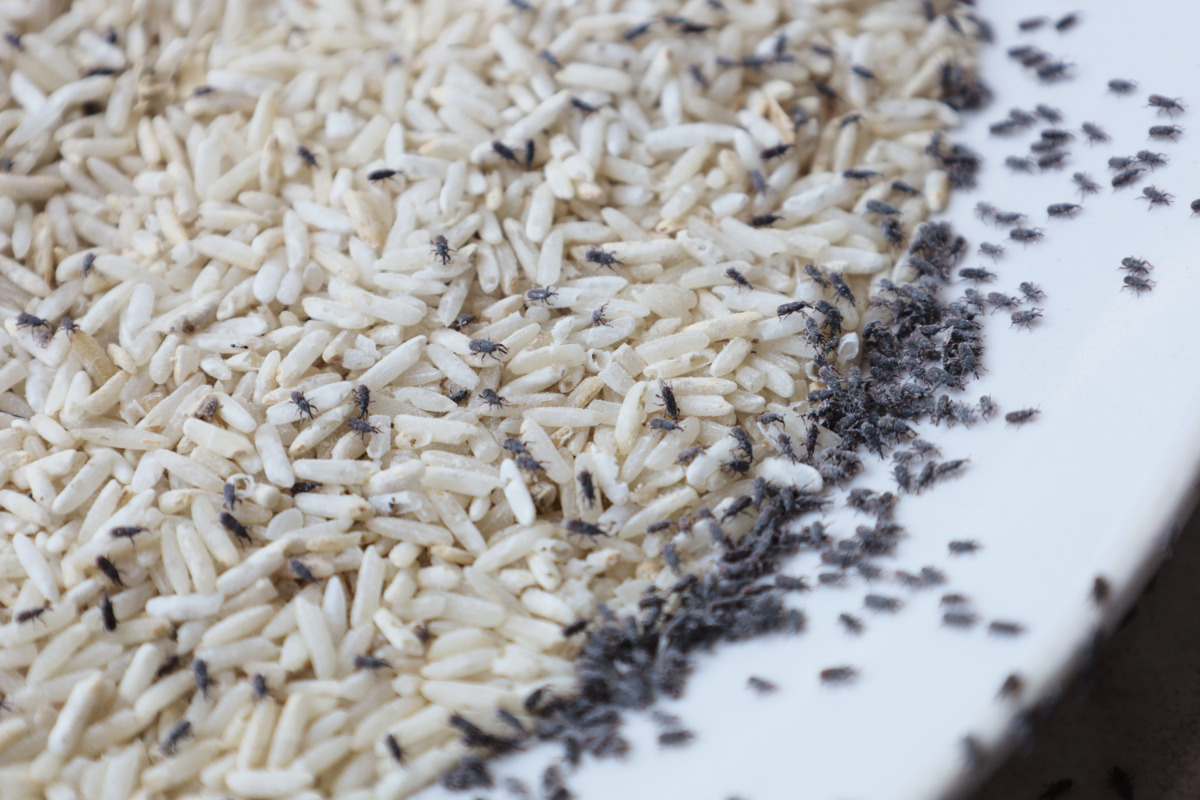
Granary Weevil Quick Facts
Size
Adults typically measure about 1/8 to 3/16 inch long (roughly 3–5 mm), with size influenced by the grain they develop in.
Color
Shiny reddish-brown to nearly black or dark chestnut brown; lacks the pale spots seen on related weevils.
How to Identify
Distinctive elongated snout, cylindrical body, elbowed antennae, and oval pits on the thorax; adults cannot fly and often play dead when disturbed.
Active Season
May remain active year-round in South Florida’s warm indoor conditions.
Indoor or Outdoor
Primarily an indoor stored-product pest found in pantries, kitchens, and food-storage areas; rarely survives outdoors away from stored grain.
Day or Night
Active at various times, often moving through stored products throughout the day when conditions allow.
Diet
Whole cereal grains such as wheat, barley, rye, oats, rice, and corn; may also infest pasta, birdseed, and similar dry goods.
About Granary Weevils
Why DIY Granary Weevil Control May Fall Short
Granary weevils can be difficult to eliminate completely because the insects seen on shelves may represent only a fraction of the population still developing inside kernels. Professional service becomes the practical next step when activity returns after cleaning, multiple packages are affected, or identification is uncertain.

Lower-Impact Options
When appropriate, Pest Busterzz emphasizes sanitation, exclusion of remaining food sources, and precise placement of materials rather than broad applications, reducing unnecessary product use while addressing the biology of this internal feeder.
The Pest Busterzz Granary Weevil Treatment Approach
Pest Busterzz focuses on accurate identification, locating the source of activity, and correcting the conditions that allow granary weevils to persist in stored products.
Inspection
Pest Busterzz technicians identify the weevil species, examine pantry shelves, bulk containers, and nearby storage areas, and look for exit holes, frass, and residual grain that may support continued development.
Targeted Treatment
Treatment plans are based on the specific findings and may include removal guidance for infested materials, localized applications to cracks and crevices where adults hide, and recommendations for sealing remaining dry goods. The approach is matched to the level of activity and the types of products present.
Monitoring & Follow-Up
Activity is checked after initial steps, results are evaluated, and any newly discovered packages or residual populations are addressed. The need for additional visits depends on the volume of stored products and conditions found on the property.
Prevention
Recommendations focus on transferring dry goods into airtight containers, rotating stock so older items are used first, inspecting new purchases, thoroughly vacuuming and wiping shelves, and avoiding long-term storage of opened whole-grain products in warm, humid areas.
faqs