

Pest Library
Bean Weevil
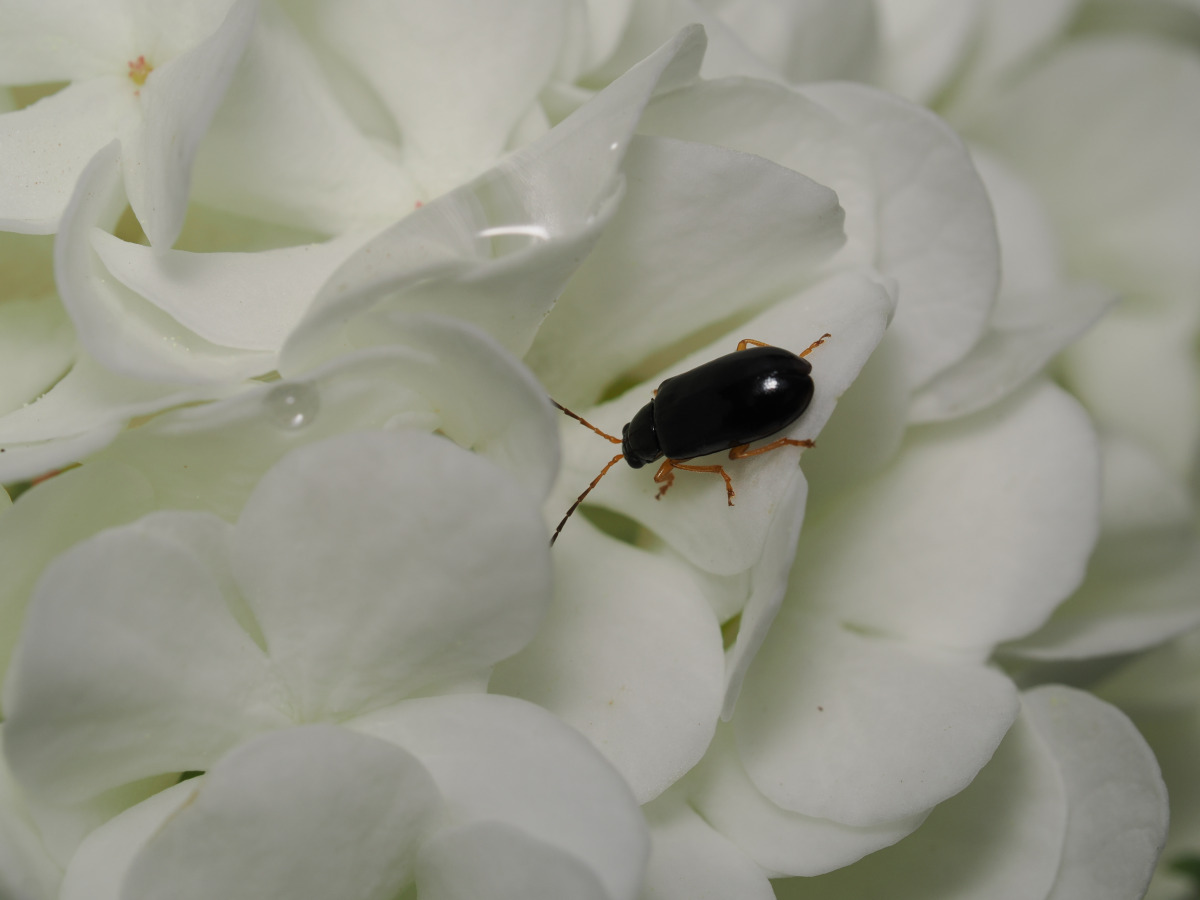
Bean Weevil Quick Facts
Size
Adults typically measure about 1/10 to 1/8 inch (2–5 mm) long
Color
Olive-brown to mottled brown-black and gray; legs and antennae often reddish
How to Identify
Compact, oval seed beetle without a long snout; short wing covers that leave the tip of the abdomen exposed; round exit holes in dried beans or legumes
Active Season
May remain active year-round in South Florida’s warm climate, especially when stored beans provide food
Indoor or Outdoor
Primarily a stored-product pest indoors (pantries, kitchens, food storage); can also infest bean plants or pods outdoors in gardens or fields
Day or Night
Adults are often noticed during the day when disturbed or when seeking new food or light; activity can occur at various times depending on temperature and disturbance
Diet
Larvae develop inside and feed on dried beans, peas, lentils, and other legumes; adults feed mainly on pollen
About Bean Weevils
Why DIY Bean Weevil Control May Fall Short
Home efforts often focus only on the adults that are visible while missing the larvae still developing inside seeds. Professional service becomes the more practical next step when activity returns after cleaning, when the source cannot be confidently located among multiple storage areas, or when identification is uncertain.

Lower-Impact Options
When appropriate, Pest Busterzz emphasizes precise source elimination, thorough cleaning, exclusion through better storage practices, and targeted applications rather than broad treatments, helping limit unnecessary product use while addressing the infestation.
The Pest Busterzz Bean Weevil Treatment Approach
Pest Busterzz focuses on identifying the source of bean weevil activity, removing infested products, and reducing the conditions that allow activity to continue.
Inspection
We identify the insect, examine all dried legumes and related stored products, locate the primary source packages, and check pantry shelves, cabinets, and nearby storage for additional activity.
Targeted Treatment
The plan is based on inspection findings and may include thorough source removal of infested products, localized treatment of storage areas, crack-and-crevice applications where adults are hiding, and recommendations for cleaning and sealing remaining goods.
Monitoring & Follow-Up
Activity is checked after the initial service, results are evaluated, and the plan is adjusted if new sources or residual insects appear. Follow-up timing depends on the level of infestation found and the conditions present at the property.
Prevention
Store dried beans, peas, and similar products in airtight containers after purchase. Inspect packages for holes or powder before bringing them into the pantry. Rotate stock so older items are used first, keep shelves clean and free of spills, and consider freezing newly purchased dried legumes for several days when practical.
faqs