

Pest Library
Spider Control in South Florida
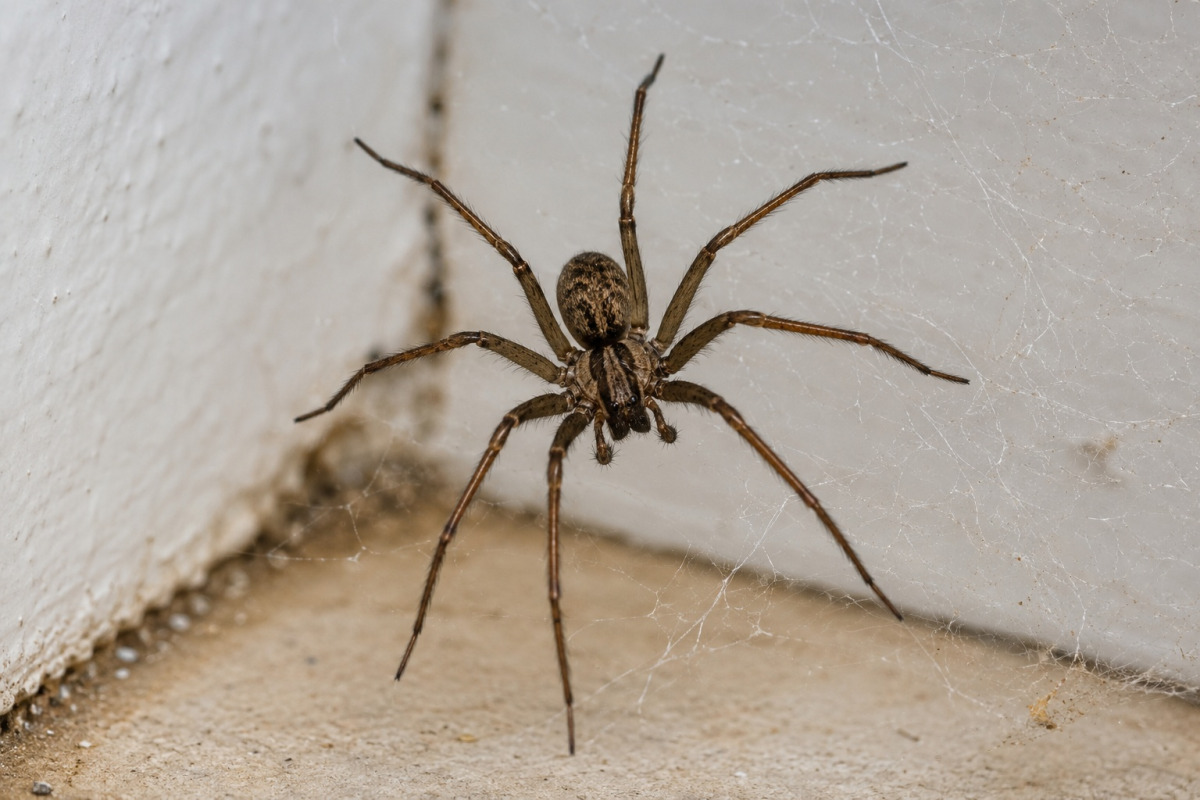
Spiders Quick Facts
Size
Body length varies widely by species, from less than 1/4 inch to about 1 1/2 inches; leg span may be much larger
Color
Brown, gray, black, tan, yellow, orange, white, or patterned, depending on the species
How to Identify
Eight legs, two main body sections, no antennae, and species-specific webs, markings, or hunting behavior
Active Season
Active year-round in South Florida, with many species becoming more noticeable during warm, humid, and rainy periods
Indoor or Outdoor
Found both indoors and outdoors, including gardens, eaves, garages, storage areas, wall voids, and quiet corners
Day or Night
Activity varies by species. Many web-building and wandering spiders are most active at night, while jumping spiders often hunt during the day.
Diet
Primarily insects and other small arthropods, including flies, mosquitoes, moths, cockroaches, and other spiders.
About Spiders
Why DIY Spider Control May Fall Short
Occasional spiders can often be removed with a vacuum or container, but recurring activity may continue when the species, prey source, web sites, egg sacs, and entry routes are not addressed. A professional inspection is practical when spiders repeatedly appear indoors, webs quickly return, widow identification is suspected, or hidden areas cannot be inspected safely.

Lower-Impact Options
When appropriate, we prioritize web and egg-sac removal, precise crack-and-crevice treatment, exclusion, monitoring, and habitat modification to reduce unnecessary product use.
The Pest Busterzz Spiders Treatment Approach
Pest Busterzz focuses on accurate identification, reducing active spiders and webs, addressing hiding areas, and correcting the conditions that allow spider activity to return.
Inspection
We identify the spider when possible and inspect webs, egg sacs, hiding places, prey activity, and entry points around eaves, lights, screens, garages, attics, storage areas, wall voids, and landscaping.
Targeted Treatment
Based on the inspection, treatment may include web and egg-sac removal, localized crack-and-crevice or void treatment, exterior management, exclusion, and recommendations for reducing insect prey and shelter. Methods depend on the species and activity found.
Monitoring & Follow-Up
We monitor new webs and sightings, evaluate results, adjust the plan when needed, and address newly discovered hiding areas, prey sources, or entry routes.
Prevention
Recommendations may include repairing screens and door sweeps, sealing gaps, trimming vegetation, reducing clutter, moving firewood and boxes away from walls, adjusting exterior lighting, and managing the insects spiders feed on.
faqs