

Pest Library
Brown Recluse Spider Control in South Florida
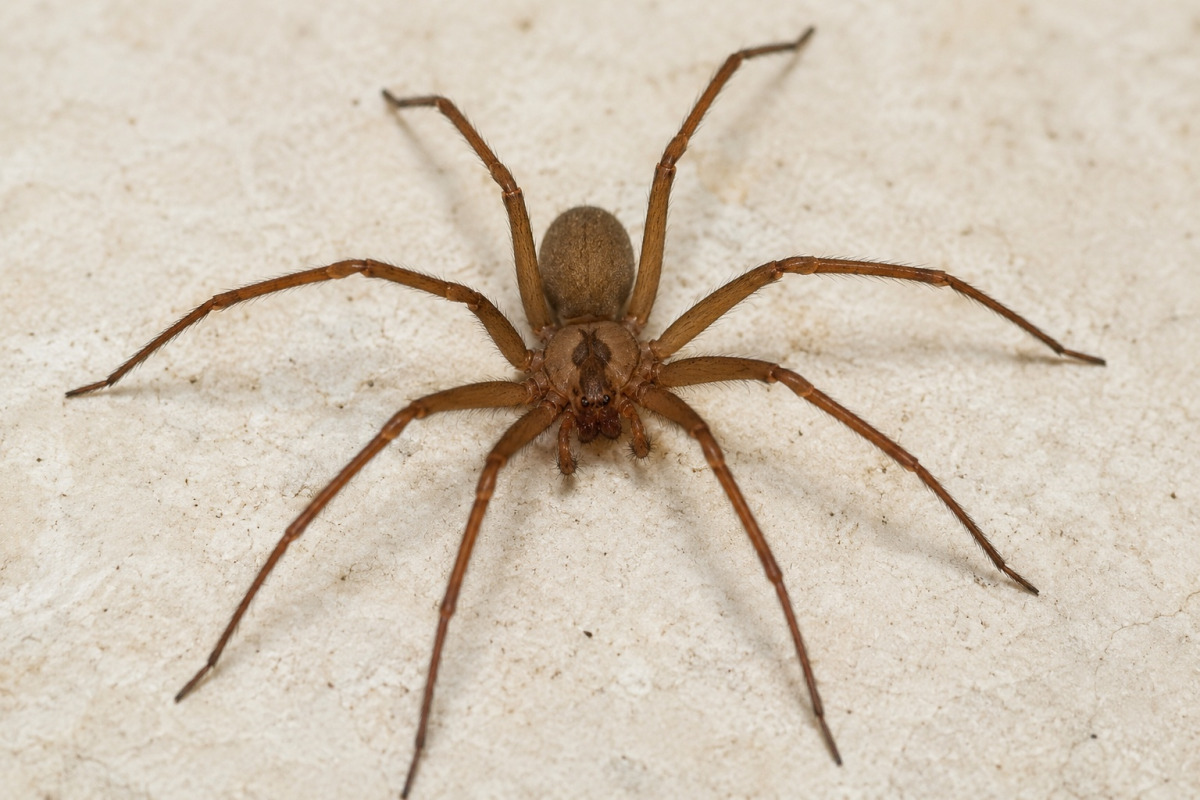
Brown Recluse Spider Quick Facts
Size
Body typically about 1/4 to 3/8 inch long, with the leg span often reaching about 1 inch
Color
Light tan to medium brown, usually with uniformly colored legs and abdomen
How to Identify
Six eyes arranged in three pairs, long slender legs, and sometimes a dark violin-shaped mark behind the eyes
Active Season
No established South Florida season; isolated indoor activity may be noticed year-round
Indoor or Outdoor
Primarily found in secluded, dry indoor spaces when accidentally introduced; verified outdoor populations are not expected in South Florida
Day or Night
Mostly active at night and likely to remain hidden during the day unless disturbed.
Diet
Small insects and other arthropods, including both live prey and scavenged material.
About Brown Recluse Spiders
Brown Recluse Spider or a Common South Florida Lookalike?
Misidentification is one of the biggest challenges with brown recluse concerns in South Florida. Male southern house spiders, cellar spiders, wolf spiders, and other harmless species may be labeled “brown recluse” because they are brown or have a dark marking. A true brown recluse has six eyes in three pairs rather than the eight eyes typical of most spiders. Its legs are slender and usually lack bold bands or heavy spines, while the abdomen is generally plain rather than strongly patterned. The violin-shaped mark can help support an identification, but it is not reliable by itself. Because brown recluse spiders are not considered established across most of Florida, the specimen’s origin and the circumstances of the discovery matter. A clear photograph may help, but examination of a captured specimen provides the strongest basis for identification.
How DIY Brown Recluse Spider Control Can Fall Short
DIY efforts can be reasonable for an occasional harmless spider, but brown recluse concerns require accurate identification. Professional inspection becomes practical when suspected spiders recur, appear in multiple rooms, are found in stored belongings, or cannot be distinguished from common South Florida lookalikes.

Lower-Impact Options
When appropriate, Pest Busterzz may prioritize monitoring, traps, precise crack-and-crevice placement, clutter reduction, prey management, and exclusion to limit unnecessary product use.
The Pest Busterzz Brown Recluse Spider Treatment Approach
Pest Busterzz begins by confirming whether the spider is a brown recluse or a more common South Florida lookalike, then develops a plan based on the location, number of findings, and property conditions.
Inspection
We examine captured specimens when available and inspect closets, garages, attics, stockrooms, stored boxes, furniture, wall-floor junctions, and other dry, undisturbed hiding areas. We also consider whether belongings recently arrived from the brown recluse’s established range.
Targeted Treatment
Based on inspection findings, the plan may include removal of visible spiders and egg sacs, monitoring traps, localized crack-and-crevice or void treatment, prey reduction, exclusion, and storage recommendations. The method depends on the confirmed species and where activity is occurring.
Monitoring & Follow-Up
We evaluate trap findings and new sightings, adjust treatment when necessary, and inspect newly identified storage or harborage areas. Follow-up timing depends on whether the original find was isolated or recurring.
Prevention
Recommendations may include reducing cardboard and clutter, using sealed storage containers, moving stored items away from walls, shaking out shoes and clothing, sealing accessible gaps, and managing indoor insect prey.
faqs
Brown Recluse Spider FAQs
Get a Suspected Brown Recluse Properly Identified
Finding a brown spider does not automatically mean your South Florida home or business has brown recluse activity. Pest Busterzz can inspect the affected areas, evaluate captured specimens and monitoring results, and recommend a treatment plan based on what is actually found. The process may also include practical steps for reducing clutter, limiting insect prey, checking stored goods, and addressing the conditions that could allow spider activity to continue.