

Pest Library
Mites in South Florida
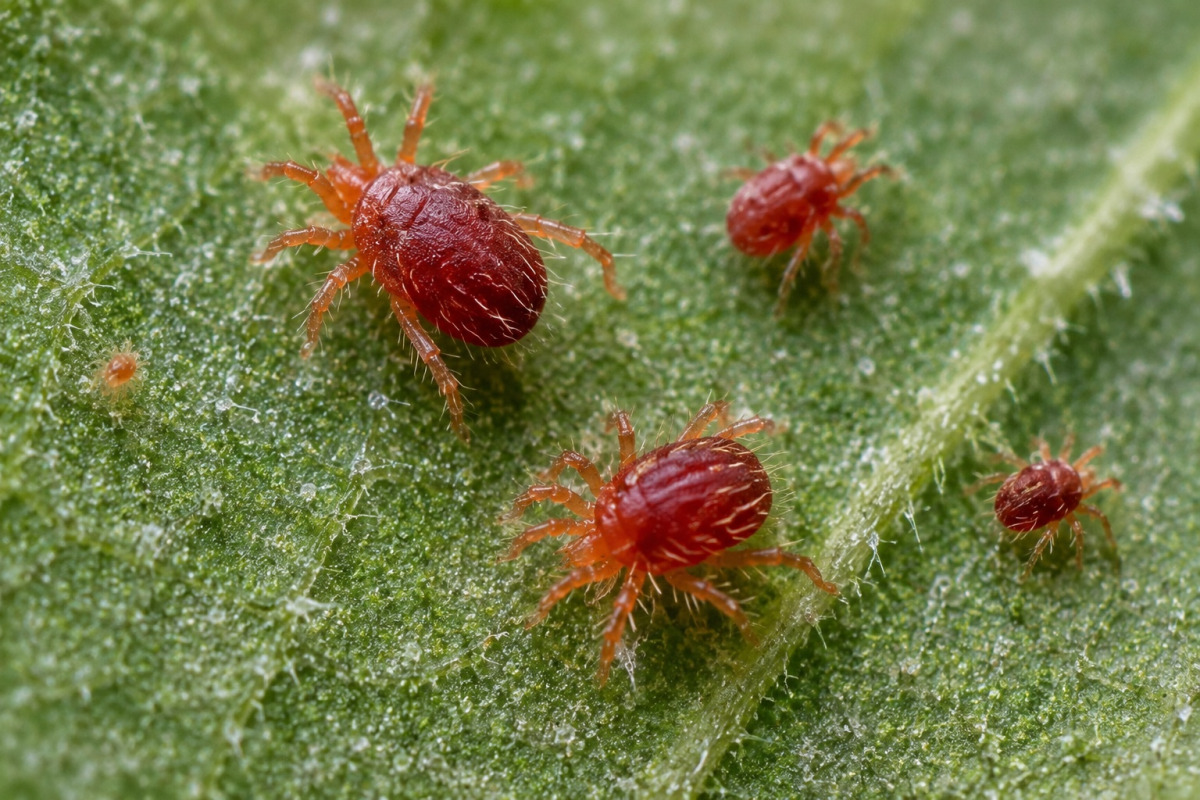
Mites Quick Facts
Size
Most pest mites are about 1/100 to 1/25 inch long and are difficult to see without magnification
Color
Varies by species; common pest mites may appear translucent, cream, tan, red, brown, or dark
How to Identify
Tiny, wingless, eight-legged arachnids; identification often requires magnification and knowledge of the host or location
Active Season
Potentially active year-round in South Florida; patterns vary by species, host availability, humidity, and weather
Indoor or Outdoor
Both; some live in bedding and fabrics, while others occur on plants, animals, stored products, or near bird and rodent nests
Day or Night
Activity varies by species. Many remain hidden in dust, fabrics, nests, plants, or on hosts rather than following a clear day-or-night schedule.
Diet
Depending on the species, mites may feed on skin flakes, plants, fungi, stored products, insects, or the blood and tissue fluids of animal hosts.
About Mites
How to Recognize the Source of a Mite Problem
Because “mites” describes many different arachnids, the location and circumstances matter as much as appearance. Specks moving near a windowsill may be clover mites from landscaping, while activity below an eave may point to a bird nest. Itching without visible pests requires medical evaluation rather than assumptions about household mites. Dust-mite concerns are usually connected to allergies and fabrics, not crawling mites. Stored-product mites are associated with susceptible foods or feed. Recording where activity begins, whether birds or rodents are present, and whether plants or stored materials are affected can make professional identification more efficient.
How DIY Mite Control Can Fall Short
Mite control can be incomplete when the species and source are unknown. Professional inspection is especially practical when activity keeps returning, mites are emerging near a bird or rodent nest, stored products are affected, plants are declining, or the problem cannot be confidently distinguished from a medical or veterinary issue.

Lower-Impact Options
When appropriate, Pest Busterzz may prioritize source removal, exclusion, sanitation, monitoring, humidity or habitat recommendations, and precise treatment of confirmed harborages to reduce unnecessary product use.
The Pest Busterzz Mites Treatment Approach
Pest Busterzz begins by determining what type of mite is present, where it originated, and which property conditions may allow activity to continue.
Inspection
We inspect visible specimens and activity patterns, then check likely sources such as bedding, upholstered areas, plants, stored products, pet areas, attics, rooflines, vents, and bird or rodent nesting sites.
Targeted Treatment
The plan depends on the mite and inspection findings. It may involve localized applications, crack-and-crevice or void treatment, exterior source management, sanitation guidance, exclusion, plant or stored-product recommendations, or coordination with wildlife, medical, or veterinary professionals.
Monitoring & Follow-Up
We evaluate whether sightings decline, inspect newly identified source areas, and adjust the plan when conditions or evidence indicate that additional action is needed.
Prevention
Recommendations may include reducing indoor humidity, cleaning dust-holding fabrics, inspecting bedding and pet areas, discarding infested stored materials, managing affected plants, removing abandoned nests safely, and sealing relevant entry points after the source is addressed.
faqs