
Raccoons

Pest Busterzz Home Icon

Pest Library

Raccoon Control in South Florida
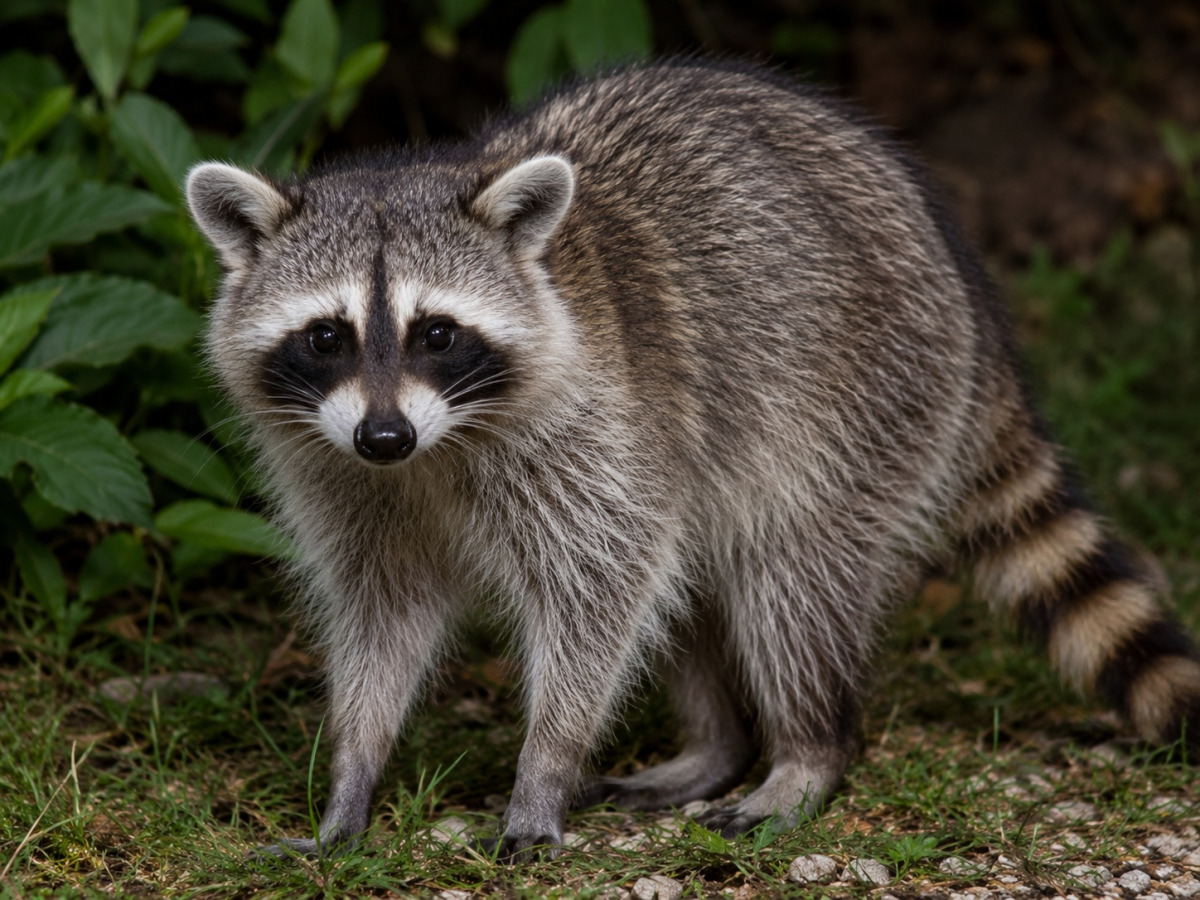
Raccoon Quick Facts

Size

Adults are commonly 24–38 inches long, including a 7–16 inch tail, and often weigh 10–30 pounds.

Color

Grayish-brown fur with a black facial mask, pale muzzle, and a ringed tail.

How to Identify

Stocky body, pointed muzzle, black “mask” across the eyes, dexterous front paws, and a bushy striped tail.

Active Season

Active year-round in South Florida, with activity often becoming more noticeable when food, water, or shelter is easy to access.

Indoor or Outdoor

Primarily outdoors, but they may den in attics, crawl spaces, chimneys, sheds, garages, or other sheltered areas.

Day or Night

Mostly active at night, although hungry, disturbed, or habituated raccoons may also appear during daylight.

Diet

Omnivorous; they eat insects, fruit, eggs, small animals, pet food, garbage, garden produce, and other accessible foods.

About Raccoons

Raccoons (Procyon lotor) are medium-sized mammals recognized by their black facial mask, ringed tail, and handlike front paws. They are well adapted to South Florida neighborhoods, commercial properties, canals, parks, and landscaped areas where food, water, and protected den sites are readily available.

Most raccoons remain outdoors, but some enter attics, crawl spaces, chimneys, sheds, and other structures to rest or raise young. Property owners may become concerned when raccoons overturn trash, damage roofing or vents, leave droppings, disturb landscaping, or repeatedly return to a building. Because wildlife removal can involve safety, legal, and animal-welfare considerations, inspection and a property-specific plan are often the most practical next steps.

Where Are Raccoons Commonly Found?

Outdoor Denning Areas

Raccoons favor locations that provide cover near dependable food and water. Around South Florida properties, they may rest or den in:

  • Hollow trees and dense vegetation
  • Storm drains, culverts, canal banks, and areas near ponds
  • Spaces beneath decks, porches, sheds, or elevated structures
  • Abandoned burrows and secluded landscape features
  • Dumpster enclosures, storage yards, and wooded edges

Indoor and Structural Shelter

When raccoons use a building, they typically enter through an existing weakness or enlarge a vulnerable opening. Common sites include attics, soffits, roof returns, crawl spaces, chimneys, garages, warehouses, and wall or ceiling voids large enough to accommodate them.

Conditions That Encourage Activity

  • Unsecured garbage, dumpsters, or compost
  • Pet food, birdseed, fallen fruit, or outdoor feeding
  • Openings along roof edges, vents, soffits, or chimneys
  • Overhanging branches and climbable fences
  • Pools, fountains, irrigation, ponds, and canals
  • Quiet, undisturbed spaces suitable for raising young

Raccoon Behavior and Attractants

Foraging Habits

Raccoons are opportunistic omnivores. They investigate garbage, pet bowls, fruit trees, gardens, bird feeders, insects, eggs, aquatic prey, and other easy food sources. Their sensitive front paws help them manipulate lids, latches, vents, and loose materials.

Movement and Daily Activity

They are mainly nocturnal and often follow repeat travel routes between shelter, water, and feeding sites. Raccoons climb well and may reach a roof by using trees, fences, downspouts, stacked materials, or textured exterior surfaces. Daytime sightings do not automatically mean an animal is sick; mothers, displaced animals, or raccoons accustomed to people may move during daylight.

Denning and Young

Females seek quiet, protected den sites for their young. An attic or chimney can be attractive because it is elevated, sheltered, and warmer than exposed outdoor locations. If young are present, removal and exclusion must be coordinated carefully so dependent animals are not separated or trapped inside.

Property and Safety Concerns

Property Damage

Raccoons may pull at shingles, vents, soffits, screens, insulation, ductwork, or stored materials while seeking shelter. They can also overturn trash, dig in lawns, raid gardens, and create repeated cleanup problems around dumpsters or outdoor dining areas.

Droppings and Parasites

Raccoon droppings can accumulate at repeated toilet sites, sometimes called latrines. Waste should be treated cautiously because raccoons can carry parasites and pathogens. Avoid sweeping, vacuuming, or handling fresh or dried droppings without appropriate precautions, especially in attics, on roofs, or around children and pets.

Defensive Behavior

Raccoons generally avoid people, but a cornered, injured, sick, or protective animal may bite or scratch. Pets should be kept away from raccoons and their den sites. Any direct contact, bite, or scratch should be addressed promptly with the appropriate medical or veterinary guidance.

When Are Raccoons Active in South Florida?

Raccoons may remain active throughout the year in South Florida because temperatures are generally mild and food and water are widely available. Activity is usually most noticeable after sunset and before dawn.

Property visits may increase when garbage is left accessible, fruit ripens, outdoor pet food is available, or storms disturb natural cover. Heavy rain and tropical weather can shift travel routes or push animals toward elevated, protected shelter. Breeding and denning behavior may also lead females to investigate attics, chimneys, or secluded structures.

Cool fronts may reduce visible movement for short periods, but South Florida raccoons do not follow the prolonged winter inactivity typical of colder climates. Once a property consistently provides food or shelter, repeated visits can continue until those attractants and access points are addressed.

How DIY Raccoon Control Falls Short

Raccoon activity can be difficult to resolve because the animal may be using an inaccessible den, returning from nearby habitat, or caring for young. Professional service is especially appropriate when noises come from an attic or chimney, droppings are accumulating, roofing or vents are damaged, or an animal behaves unusually.

  • Blocking the Opening Too Soon | Sealing a roof or soffit gap before confirming that all animals are outside can trap a raccoon or dependent young inside.
  • Handling or Cornering the Animal | A frightened raccoon may defend itself. Direct capture attempts can expose people and pets to bites, scratches, or contaminated material.
  • Removing One Raccoon Without Correcting Access | Another animal may use the same opening if damaged vents, loose soffits, climbable branches, or food sources remain.
  • Using Repellents Alone | Lights, sounds, odors, and household deterrents may provide only temporary changes, especially when a secure den or dependable food source is present.
  • Overlooking Droppings and Damage | Removing the animal does not automatically address contaminated insulation, latrine sites, damaged roofing, or sanitation conditions.
raccoon treatment in South Florida

Lower-Impact Options

When appropriate, Pest Busterzz may prioritize inspection, humane trapping or removal methods, exclusion, sanitation guidance, and habitat modification to reduce unnecessary product use and discourage repeat activity.

The Pest Busterzz Raccoon Treatment Approach

Pest Busterzz focuses on identifying how raccoons are using the property, resolving active wildlife concerns, and reducing the conditions that may allow them to return.

01

Inspection

We inspect for tracks, droppings, denning areas, roof or soffit damage, chimney access, travel routes, food sources, and signs that young may be present.

02

Targeted Treatment

Based on the inspection, the plan may include trapping or removal, one-way exclusion where appropriate, securing access points, sanitation recommendations, and habitat changes. The exact approach depends on the animal’s location, property conditions, and applicable wildlife requirements.

03

Monitoring & Follow-Up

We monitor signs of activity, evaluate whether raccoons are still using the site, adjust the plan when needed, and address additional entry points or attractants discovered during follow-up.

04

Prevention

Recommendations may include securing trash and pet food, trimming roof access routes, repairing vents and soffits, installing chimney protection, cleaning attractants, and sealing confirmed entry points after animals have been removed.

Yes. Raccoons occur throughout Florida and adapt well to neighborhoods, parks, canals, wooded areas, and commercial properties. Warm weather, dense landscaping, water, garbage, fruit, pet food, and sheltered structures can support year-round activity.

Common signs include heavy movement at night, scratching or thumping above ceilings, damaged soffits or vents, tracks, strong odors, disturbed insulation, and droppings. Similar sounds can come from other wildlife, so an inspection is useful before sealing openings.

Not necessarily. A mother searching for food, a disturbed animal, or a raccoon accustomed to people may be active during daylight. However, an animal that appears disoriented, unusually aggressive, unable to move normally, or unresponsive should be avoided and reported to the appropriate local authority.

They can. Raccoons may pull at loose shingles, vents, fascia, soffits, screens, or roof returns to reach shelter. Once inside, they may compress insulation, disturb ductwork, contaminate surfaces, and enlarge an existing opening.

Raccoon waste should be handled cautiously because it may contain parasites or pathogens. Repeated latrine sites deserve particular care. Avoid dry sweeping or casual handling, keep children and pets away, and use qualified cleanup assistance when contamination is extensive or located in an attic or confined space.

Reducing food is important, but it may not solve an established denning problem by itself. Secure garbage, bring pet food indoors, clean grills, collect fallen fruit, and manage birdseed. If a raccoon is already using an attic, chimney, or crawl space, access and shelter must also be addressed.

Only after confirming that no raccoon or dependent young remain inside. Premature sealing can trap animals in the structure and lead to additional damage. Inspection, removal, and exclusion should be coordinated in the correct order.

Schedule an inspection when raccoons repeatedly visit, enter an attic or chimney, damage roofing or vents, leave droppings, create business sanitation concerns, or cannot be safely discouraged by removing attractants. A professional can identify activity and recommend a plan based on the property.

Pest Busterzz Home Icon

faqs

Raccoon FAQs