
Thrips

Pest Busterzz Home Icon

Pest Library

Thrips

Thrips Quick Facts

Size

Adults typically measure 1/16 to 1/8 inch long (about 1–2 mm); some species reach slightly larger

Color

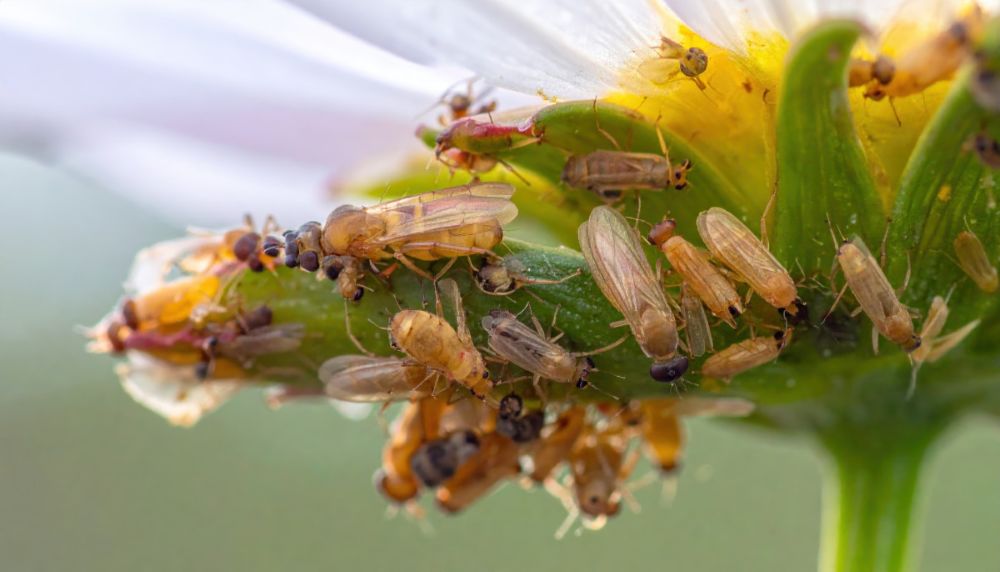
Adults range from pale yellow or golden to brown or nearly black; immatures are usually lighter yellow or translucent

How to Identify

Slender, elongated bodies resembling tiny grains of rice or cigars, with narrow fringed wings on adults; larvae are wingless. Shake plant parts over white paper to spot them more easily

Active Season

Year-round in South Florida’s warm climate, with populations often building rapidly during periods of consistent heat and humidity

Indoor or Outdoor

Primarily outdoor on landscape plants, gardens, and ornamentals; also appear on indoor houseplants and in protected growing spaces

Day or Night

Mostly active during daylight hours when feeding on plant tissues, though they remain present on hosts at other times

Diet

Plant sap extracted from leaves, buds, flowers, shoots, and sometimes young fruit through piercing-sucking mouthparts

About Thrips

Thrips are tiny insects in the order Thysanoptera that feed on a wide variety of plants. Multiple species occur throughout South Florida, including chilli thrips, western flower thrips, Florida flower thrips, greenhouse thrips, and the invasive short-spined thrips. Adults are recognized by their slender shape and distinctive fringed wings, while the wingless young stages remain harder to notice.

These insects thrive in the region’s subtropical conditions and readily colonize landscape ornamentals, vegetable gardens, and flowering plants around homes and commercial properties. Property owners typically notice them when leaves develop silvery or bronzed patches, buds fail to open properly, or flowers become streaked and distorted. The main concern is the cumulative feeding injury that reduces the appearance and vigor of valued plants.

Where Are Thrips Commonly Found?

Outdoor Habitats

Thrips live directly on their host plants. Adults and larvae congregate on young leaves, unfolding buds, open flowers, and tender shoots. Females insert eggs into plant tissue, so the earliest stages remain protected inside leaves or petals. Later immature stages often drop to the soil or leaf litter beneath the plant to complete development before emerging as adults.

Common South Florida hosts include:

  • Roses
  • Hibiscus
  • Gardenias
  • Mandevilla
  • Citrus
  • Indian hawthorne
  • Plumbago
  • Peppers, beans, and other vegetables
  • Many other ornamentals and flowering plants

Indoor and Protected Spaces

Thrips can also move onto indoor plants brought from outdoor spaces or purchased from nurseries. Greenhouses and enclosed growing areas provide ideal conditions for rapid population growth.

South Florida Conditions That Support Activity

Dense plantings, continuous flowering, and nearby weeds that serve as alternate hosts create favorable conditions. The region’s consistent warmth and humidity allow multiple generations to develop quickly throughout the year.

Thrips Behavior and Feeding

Feeding Habits

Thrips feed by puncturing surface cells and extracting the contents, which produces the characteristic silvering or scarring on foliage and petals. They prefer tender new growth and pollen-rich flowers.

Life Cycle and Movement

Most species complete their life cycle quickly—sometimes in under two weeks under South Florida temperatures—allowing populations to increase rapidly. Adults are weak fliers but disperse readily on wind currents or by hitchhiking on plant material. When disturbed, they may jump or take short flights. Some species reproduce without mating, further accelerating population growth.

Peak Activity

Activity is concentrated on the host plant itself rather than in soil voids or structural crevices. Numbers often build during periods of warm temperatures and high humidity that match South Florida’s average climate.

Damage and Concerns

Landscape and Plant Damage

For South Florida homeowners and property managers, thrips primarily affect the appearance and health of landscape and garden plants. Feeding causes silvery streaks, bronzing, leaf distortion, curled or stunted new growth, scarred petals, and reduced flower or fruit quality. Heavy infestations can lead to premature leaf drop and overall decline in ornamental value.

Plant Viruses

Certain species are capable of transmitting plant viruses that further damage susceptible hosts, though this risk varies by species and is not universal.

Human and Pet Concerns

Thrips do not damage building structures, contaminate stored food, or pose documented health risks to people or pets through bites or disease transmission. Occasional individuals may land on skin and cause minor irritation, but this is uncommon and not a primary concern.

When Are Thrips Active in South Florida?

In South Florida, thrips remain active throughout the year because sustained cold rarely interrupts their development. Populations often surge during extended periods of warm temperatures and high humidity, conditions that match the region’s average climate and allow life cycles to complete in as little as 13 days for some invasive species.

Rainfall and irrigation that promote tender new plant growth can also support higher numbers. Cold fronts may temporarily slow development but rarely eliminate outdoor populations in southern counties. Activity indoors is less seasonal and depends more on the presence of suitable host plants. Sudden increases outdoors frequently follow the arrival of new plant material or the flushing of spring and summer growth.

Why DIY Thrips Control May Fall Short

Home treatments often miss critical parts of the thrips life cycle. Professional service becomes the more practical next step when damage continues despite repeated efforts, valued landscape plants show progressive decline, or identification is uncertain.

  • Missing Protected Life Stages | Eggs remain protected inside plant tissue and are unaffected by surface sprays. Immature stages that drop into soil or leaf litter also escape many foliar applications.
  • Reducing Natural Predators | Broad-spectrum products can reduce beneficial insects that help keep thrips numbers in check, allowing populations to rebound more quickly.
  • Identification Challenges | Identifying the exact species is difficult without magnification, so a product suited to one type of thrips may perform poorly against another.
  • Outdoor Reservoirs | Continuous outdoor sources in nearby weeds, hedges, or neighboring properties readily reintroduce insects after temporary reductions.
  • Rapid Reproduction | Under South Florida temperatures, some species complete a generation in under two weeks, so populations can rebuild quickly if breeding sites and hosts remain available.
thrips treatment in South Florida

Lower-Impact Options

When suitable, Pest Busterzz emphasizes precise placement, monitoring, and cultural adjustments that support natural enemies and reduce the need for broader applications.

The Pest Busterzz Thrips Treatment Approach

Pest Busterzz focuses on identifying the thrips present, evaluating the extent of activity, and addressing the plant and environmental conditions that support populations.

01

Inspection

Technicians examine affected plants, note the pattern and severity of damage, identify the thrips present when possible, and evaluate surrounding vegetation, soil conditions, and potential sources of new plant material.

02

Targeted Treatment

Treatment recommendations are based on the specific findings, plant types, and activity level observed. Options may include localized applications to infested foliage and buds, measures directed at soil stages where appropriate, exclusion practices for indoor plants, and habitat adjustments that reduce favorable conditions.

03

Monitoring & Follow-Up

Follow-up visits check for continued activity, evaluate plant recovery, and adjust the approach if new hotspots appear. Timing depends on the life cycle of the thrips involved and the conditions present on the property.

04

Prevention

Recommendations may include removing heavily damaged plant material, controlling weeds that serve as alternate hosts, avoiding over-fertilization that encourages overly tender growth, inspecting new plants before introducing them, and maintaining good airflow around dense plantings.

Silvery or bronzed streaks on leaves, distorted new growth, scarred or streaked flowers, and tiny dark spots of fecal material are typical signs. Confirm by shaking foliage over white paper and looking for the slender, elongated insects. Professional identification helps distinguish thrips injury from similar problems caused by mites or other pests.

Most activity occurs outdoors on landscape and garden plants. They can also infest indoor houseplants, especially if those plants spent time outside or arrived from a nursery. Greenhouses and enclosed growing areas provide ideal conditions as well.

Thrips feed exclusively on plants. Occasional individuals may land on skin and cause brief irritation, but they do not seek blood and do not pose a meaningful bite or sting risk to people or animals.

Eggs inserted into plant tissue and stages that develop in soil often survive surface treatments. Nearby weeds and continuous flowering plants also serve as reservoirs. Without addressing these sources, reinfestation is common.

Not necessarily. Low numbers may cause only minor cosmetic damage. Rapid population growth under warm South Florida conditions can quickly change the picture, so monitoring plant health remains important.

Because they remain active year-round, the best time is as soon as damage or insects are noticed. Early intervention limits spread across plantings and reduces the chance of virus transmission by certain species.

No. Thrips are plant feeders and do not infest wood, walls, or stored products. Their impact is limited to living plants and the aesthetic quality of landscapes.

Light, early activity on a few plants may respond to cultural steps such as pruning damaged growth and improving plant vigor. Persistent or widespread damage, especially on high-value ornamentals, is more effectively handled after a professional assessment of the species and supporting conditions.

Pest Busterzz Home Icon

faqs

Thrips FAQs