

Pest Library
Caterpillars
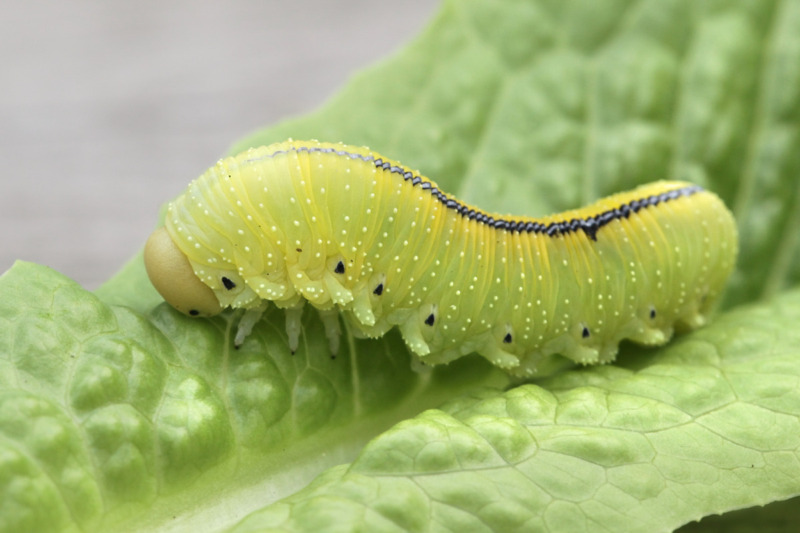
Caterpillars Quick Facts
Size
Ranges from 0.5 inches to over 3 inches long, depending on the species and growth stage.
Color
Highly variable, ranging from plain green or brown to vivid black, yellow, orange, or red markings.
How to Identify
Soft cylindrical body with a distinct head capsule, three pairs of true legs, and multiple fleshy abdominal prolegs.
Active Season
Active year-round in South Florida, with noticeable population increases during warm, humid spring and summer months.
Indoor or Outdoor
Primarily found outdoors on landscape plants and lawns, though mature larvae occasionally stray onto patios or exterior walls.
Day or Night
Varies by species; lawn webworms and cutworms feed mainly at night, whereas many foliage caterpillars forage throughout the day.
Diet
Plant leaves, stems, flower buds, shoots, and turfgrass blades across residential and commercial landscapes.
About Caterpillars
Identifying Stinging vs. Plant-Damaging Caterpillars
Understanding which caterpillars are on your property helps dictate proper handling and protection. Most local species, such as tropical sod webworms or bougainvillea caterpillars, are strictly plant pests that present no direct skin hazards. However, South Florida hosts several species equipped with venomous stinging spines.
The puss caterpillar resembles a teardrop of soft tan fur, hiding sharp, highly irritating venomous spines beneath its coat. The saddleback caterpillar is easily spotted by its bright green body and distinctive brown saddle mark. Contact with stinging species causes severe pain, swelling, and rash. If you notice spiny or bristly caterpillars on high-traffic yard plants, avoiding physical contact and seeking a professional inspection ensures safe removal without unexpected skin stings.
Why DIY Caterpillar Control Misses the mark
Managing caterpillar outbreaks independently often produces temporary or disappointing results because consumer products rarely address the full biological infestation scope. Professional inspection and management become essential when plant defoliation recurs, lawn damage expands rapidly, or stinging species threaten outdoor living spaces.

Lower-Impact Options
When appropriate, Pest Busterzz prioritizes targeted biological solutions, spot foliage applications, mechanical pruning recommendations, and habitat adjustments to minimize environmental product use.
The Pest Busterzz Caterpillars Treatment Approach
Pest Busterzz focuses on accurate species identification, targeted landscape treatments, and proactive environmental adjustments to suppress active caterpillar damage and keep your property healthy.
Inspection
We evaluate your landscape foliage, turf grass conditions, and tree canopies to identify the active caterpillar species, detect hidden egg clusters, gauge damage severity, and locate favorable host sites.
Targeted Treatment
Based on inspection results, we apply customized plant-safe treatments, such as targeted foliage sprays, biological controls like Bacillus thuringiensis for leaf feeders, or localized lawn turf applications tailored to specific pest developmental stages.
Monitoring & Follow-Up
We evaluate foliage recovery, check lawn health, adjust management tactics as new weather patterns unfold, and address newly hatched larval cohorts before significant feeding occurs.
Prevention
Our team provides actionable steps including pruning overhanging limbs touching patio enclosures, adjusting lawn watering schedules, inspecting new nursery stock, and removing accumulated leaf thatch.
faqs