

American Cockroach

Pest Busterzz Home Icon

Pest Library

American Cockroach Control in South Florida
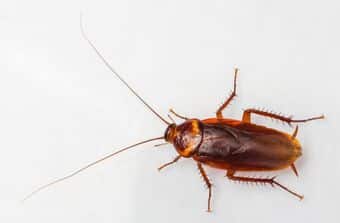
American Cockroach Quick Facts

Size

Adults are typically about 1 â…ś to 2 â…› inches long.

Color

Reddish-brown to dark brown, with a lighter margin around the pronotum behind the head.

How to Identify

A large, flattened cockroach with long antennae and fully developed wings; it may be confused with other large Florida cockroach species.

Active Season

May remain active year-round in South Florida, with activity often increasing after heavy rain or when outdoor conditions change.

Indoor or Outdoor

Both; it commonly lives in moist outdoor or utility areas but may enter homes and businesses through plumbing, drains, doors, roofs, and other openings.

Day or Night

Mostly active at night and often hides during the day.

Diet

An opportunistic scavenger that feeds on a wide variety of organic matter, including food scraps and decaying material.

About American Cockroaches

The American cockroach (Periplaneta americana) is one of the larger cockroach species encountered in Florida and is particularly associated with commercial and large buildings. Its size, reddish-brown body, and light markings behind the head can help distinguish it from smaller household cockroaches, although professional identification may be needed when similar species are present.

In South Florida, American cockroaches may be found around sewer and drainage systems, landscaped areas, mulch, wood piles, and other moist locations. They can occasionally make their way indoors while searching for food and water or when outdoor conditions become less favorable. For property owners, the primary concern is usually unwanted indoor activity and recurring sightings when access points or favorable harborages remain.

Where Are American Cockroaches Commonly Found?

Outdoor and Utility Harborages

American cockroaches are strongly associated with warm, damp environments. Outdoors and around buildings, common shelter areas include:

  • Mulch beds, wood piles, hollow trees, and organic debris
  • Garbage areas, drainage systems, and sewer lines
  • Plumbing, utility spaces, and other humid locations
  • Moist, shaded landscaping near structures

Indoor Activity

Inside buildings, American cockroaches may rest near pipes, sinks, tubs, toilets, kitchens, bathrooms, and other areas where humidity is higher. Restaurants, grocery stores, bakeries, food-service facilities, and larger commercial buildings can be especially vulnerable around plumbing and drainage infrastructure.

South Florida Conditions That Support Activity

Warm temperatures, high humidity, irrigation, frequent rainfall, dense vegetation, and branches reaching toward roofs can create favorable conditions and pathways around homes and businesses.

American Cockroach Behavior

Mostly Nocturnal

American cockroaches are primarily active at night, when they leave protected resting areas to search for food and water. During daylight hours, they generally remain concealed in dark, sheltered locations.

Opportunistic Feeding

Their diet is broad and may include food waste, decaying material, and other organic matter. Accessible garbage, food residue, and outdoor debris can provide ongoing resources.

Reproduction

Females produce egg cases called oothecae, each containing multiple developing eggs. Young cockroaches, known as nymphs, pass through several stages before reaching adulthood.

Indoor Movement

American cockroaches may enter through plumbing, drains, structural openings, doors, roofs, and connected utility spaces. Heavy rain can increase indoor activity by disturbing or flooding outdoor harborages.

American Cockroach Concerns

For most property owners, American cockroaches are primarily a nuisance and a sign of an accessible entry route or nearby source of activity. Their presence is especially concerning in kitchens, restaurants, food-service areas, and other locations where sanitation and pest prevention are important.

Sanitation and Allergen Concerns

Cockroaches can mechanically transfer microorganisms from contaminated environments to contacted surfaces. Droppings, shed skins, and other debris may also contribute to indoor allergens for sensitive individuals, particularly when activity is persistent.

Recurring Indoor Sightings

American cockroaches are not considered a structural pest like termites and are not known for typically biting people. However, repeated indoor sightings may point to moisture, drainage connections, exterior harborages, or structural openings that need attention.

When Are American Cockroaches Active in South Florida?

South Florida’s warm climate allows American cockroaches to remain active throughout the year. Their activity is often influenced more by rainfall, moisture, irrigation, flooding, and environmental disturbance than by a strict seasonal cycle.

  • Heavy rain may flood or disturb outdoor and drainage harborages.
  • Changes in irrigation and moisture can alter where cockroaches shelter.
  • Landscaping, construction, or utility disturbance may displace nearby populations.
  • Activity is generally most noticeable at night.

A sudden indoor appearance does not always mean a large population is established in living areas. Repeated sightings near kitchens, bathrooms, utility rooms, or drains should be investigated to determine the source.

Why DIY American Cockroach Control May Fall Short

Recurring indoor sightings can be difficult to resolve with consumer products alone because American cockroaches may be entering from drainage systems, plumbing areas, exterior harborages, and other inaccessible utility spaces. Professional service may be appropriate when sightings continue, the source is unclear, or cleanup and exclusion efforts have not resolved the activity.
  • Treating Only Visible Cockroaches | Removing or spraying individual cockroaches may not address the outdoor, drainage, plumbing, or utility source supporting repeated entry.
  • Misidentifying the Species | Several large Florida cockroach species can look similar, but their habits and control considerations may differ.
  • Treating the Sighting Area Instead of the Source | Applying products only where cockroaches are seen may miss the entry route or protected harborage.
  • Overlooking Entry Points | Gaps around plumbing, drains, doors, roofs, exterior walls, and utility penetrations can allow recurring access.
  • Leaving Moisture and Organic Debris Available | Plumbing leaks, drainage issues, garbage, food residue, mulch, wood piles, and organic debris can continue supporting activity.
  • Ignoring Outdoor and Utility Harborages | Nearby landscaping, sewer or drainage systems, garbage areas, and connected utility spaces may continue producing indoor sightings.
American cockroach treatment in South Florida

Lower-Impact Options

When appropriate, Pest Busterzz may emphasize precise treatment placement, monitoring, exclusion, sanitation, habitat modification, and targeted baiting to help avoid unnecessary product use.

The Pest Busterzz American Cockroach Treatment Approach

Pest Busterzz begins by identifying the cockroach, evaluating where activity is occurring, and developing a treatment plan based on the specific inspection findings.

01

Inspection

We identify the cockroach and inspect plumbing areas, drains, utility spaces, kitchens, bathrooms, garages, exterior walls, landscaping, mulch, wood piles, moisture sources, organic debris, and likely entry routes.

02

Targeted Treatment

Depending on the property and level of activity, the plan may include targeted applications, baiting, crack-and-crevice treatments, exterior management, exclusion recommendations, and steps that reduce favorable breeding or shelter areas.

03

Monitoring & Follow-Up

We evaluate activity after treatment and determine whether additional attention is appropriate. Follow-up needs depend on the severity, source, weather conditions, and whether contributing property conditions have been corrected.

04

Prevention

Recommendations may include sealing practical entry points, addressing plumbing or moisture issues, managing mulch and organic debris, reducing exterior clutter, maintaining sanitation around food and waste, and limiting shelter near the building.

American cockroaches are among the larger cockroaches found in South Florida. Adults are generally reddish-brown, have long antennae, fully developed wings, and a lighter area behind the head. Because other large cockroach species can look similar, professional identification may be helpful.

Yes. American cockroaches are established throughout Florida and occur around homes, businesses, larger buildings, drainage systems, and other areas with moisture and shelter. They may enter buildings from nearby outdoor or utility environments.

American cockroaches are not considered a major structural-damage pest. The more common concerns are nuisance activity, contamination of contacted surfaces, and recurring entry associated with moisture, drainage, plumbing, or exterior harborages.

Heavy rain, flooding, landscaping changes, irrigation, construction, or disturbance around drainage and utility areas can displace cockroaches from outdoor harborages. They may then enter through plumbing, doors, exterior gaps, or connected utility spaces.

They often shelter in warm, damp, protected areas such as mulch, wood piles, hollow trees, organic debris, sewer and drainage systems, plumbing areas, garbage facilities, and humid utility spaces. During the day, they usually remain concealed.

Not necessarily. A single cockroach may have wandered indoors from an outdoor or utility area, especially after heavy rain. Repeated sightings, multiple cockroaches, or activity in several areas may indicate an ongoing source that warrants inspection.

Recurring activity often means the source or entry route has not been addressed. Cockroaches may continue entering through plumbing connections or structural openings, while nearby outdoor conditions continue to provide moisture and shelter.

Yes. South Florida’s warm climate allows American cockroaches to remain active year-round. Sightings may increase after heavy rain or other environmental changes that disturb outdoor or drainage harborages.

Consider scheduling an inspection if cockroaches are appearing repeatedly, showing up in multiple areas, or occurring near kitchens, bathrooms, plumbing, drains, or commercial food-handling spaces. Professional service is also useful when the source is unclear or DIY efforts have not worked.

American cockroaches are not known for biting people as a typical behavior. The main concerns are nuisance activity, sanitation risks, and allergens associated with persistent indoor activity.

Pest Busterzz Home Icon

faqs

American Cockroach FAQs