

Deer Mice

Pest Busterzz Home Icon

Pest Library

Deer Mice Control in South Florida
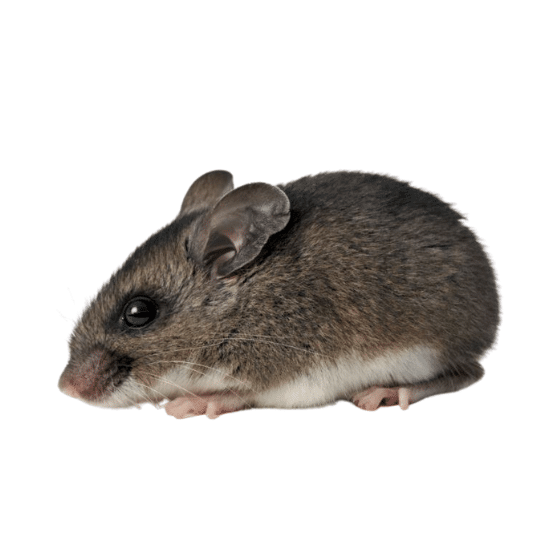
Deer Mice Quick Facts

Size

Usually about 5 to 8 inches long from nose to tail, depending on the species and individual

Color

Grayish-brown to reddish-brown above with a sharply contrasting white belly, feet, and underside of the tail

How to Identify

Large dark eyes, prominent ears, white feet, and a distinctly two-toned tail; professional identification may be needed because similar Peromyscus mice occur in Florida

Active Season

Rodent activity can occur year-round; indoor encounters may increase when storms, flooding, food shortages, or cooler weather disrupt outdoor shelter

Indoor or Outdoor

Primarily an outdoor wild mouse, but it may enter garages, sheds, storage areas, attics, and other quiet spaces offering food and shelter

Day or Night

Mostly active at night, although a mouse may be seen during the day when disturbed, competing for resources, or living in a heavily used area.

Diet

Seeds, nuts, fruits, plant material, fungi, and insects; indoors, mice may also feed on stored foods, crumbs, pet food, and birdseed.

About Deer Mice

Deer mice are small native rodents in the genus Peromyscus, best recognized by their brown or gray upper fur, white underside, white feet, large eyes, and two-toned tail. The true North American deer mouse, Peromyscus maniculatus, is widespread across much of the continent but is not considered an established South Florida species. In South Florida, a similar relative called the cotton mouse or cotton deermouse, Peromyscus gossypinus, is more likely to be encountered.

Because these mice look similar, photographs, droppings, or a brief sighting may not be enough for reliable identification. Property owners are usually concerned about food contamination, gnawing, nesting material, and exposure to urine or droppings. An inspection can determine which rodent is present, where it is entering, and whether activity is limited to one animal or reflects a continuing indoor problem.

Where Are Deer Mice and Similar Mice Found?

Outdoor Shelter and Nesting Areas

Deer mice and related Peromyscus mice use dry, protected sites near dependable food. Depending on the species and property, outdoor shelter may include:

  • Hollow trees, fallen logs, and spaces beneath loose bark
  • Dense brush, palmetto, vines, and overgrown vegetation
  • Rock piles, wood piles, and stacked landscape materials
  • Abandoned burrows and natural ground cavities
  • Sheds, barns, detached garages, and rarely used outbuildings
  • Stored equipment, boats, campers, and vehicles left undisturbed
  • Seed-producing plants, bird-feeding areas, and places with fallen fruit or nuts
  • Edges of wooded lots, hammocks, fields, and landscaped properties

Nests are typically made from shredded plant fibers, grass, leaves, paper, fabric, insulation, or other soft materials available nearby.

Indoor Hiding and Nesting Places

When a mouse enters a home or commercial property, it usually selects a quiet space with nearby food and limited disturbance. Common locations include:

  • Attics, wall voids, and ceiling spaces
  • Garages, sheds, storage rooms, and utility closets
  • Cabinets, pantries, and spaces behind appliances
  • Boxes, stored clothing, paper goods, and insulation
  • Areas around pipe, cable, vent, and air-conditioning penetrations
  • Under or behind shelving, equipment, and rarely moved inventory
  • Vehicles, boats, and outdoor equipment that remain unused
  • Commercial stockrooms, feed storage areas, and break rooms

Entry may occur through small construction gaps, damaged screens, open garage doors, roofline openings, and utility penetrations. Mice can fit through surprisingly small spaces, so identifying the active route is an important part of control.

South Florida Conditions That Support Mouse Activity

South Florida properties may attract native mice when landscaping, storage, and nearby natural habitat provide food and cover. Indoor encounters may be more likely when a property has:

  • Dense vegetation, vines, or ground cover against the structure
  • Birdseed, pet food, animal feed, or grass seed stored in accessible containers
  • Fallen fruit, nuts, seed, or food waste around the property
  • Wood piles, cardboard, clutter, or equipment that remains undisturbed
  • Openings around garage doors, vents, soffits, pipes, or cables
  • Damaged screens, door sweeps, weather stripping, or exterior panels
  • Sheds, boats, campers, or vehicles used only occasionally
  • Nearby wooded habitat, undeveloped land, fields, or canal banks
  • Storm damage, flooding, or landscape disturbance that displaces outdoor rodents

Deer Mouse Behavior and Attractants

Feeding and Foraging Habits

Deer mice and similar native mice are adaptable omnivores. Depending on habitat and availability, they may feed on:

  • Seeds, grains, nuts, and acorns
  • Fruits, berries, fungi, and other plant material
  • Insects and other small invertebrates
  • Birdseed, grass seed, livestock feed, and pet food
  • Crumbs, packaged foods, and other accessible stored products indoors

These mice may gather and cache food in sheltered locations. Indoors, stored food can be damaged even when only a small amount is eaten because packaging may be gnawed and contaminated.

Movement and Nesting Habits

Deer mice are mainly nocturnal and usually move along walls, stored objects, vegetation edges, or other cover rather than crossing exposed areas. They can climb and jump well, allowing them to reach shelves, rafters, roof spaces, and elevated storage.

Nests are generally built in secluded cavities using shredded fibers and other soft materials. A mouse found upstairs or in an attic may have entered at the roofline, while activity behind appliances or cabinets may be connected to lower utility gaps, garage access, or food storage.

Shelter, Food, and Entry Conditions

Recurring indoor mouse activity is often supported by a combination of shelter, accessible food, and an opening into the building. Common contributing conditions include:

  • Unsealed roof, soffit, vent, and utility gaps
  • Garage doors or exterior doors with worn seals
  • Food, seed, or feed stored in paper or thin plastic packaging
  • Pet food or water left out overnight
  • Cardboard boxes, fabric, insulation, and paper suitable for nesting
  • Vegetation, clutter, or stacked materials that conceal travel routes
  • Fallen produce, overflowing bird feeders, and unsecured waste
  • Nearby natural habitat that continually supplies new rodents

Correcting these conditions helps reduce the likelihood that new mice will replace those removed.

Daily and Seasonal Activity

Activity is usually greatest after dark. South Florida’s mild climate can support outdoor rodent activity throughout the year, but heavy rain, tropical weather, flooding, landscape clearing, or a sudden reduction in outdoor food may push mice toward buildings.

Indoor signs may also become more noticeable when a quiet storage area is opened, boxes are moved, or seasonal items are disturbed. Breeding patterns vary by species and food availability, so an indoor population should not be judged only by the time of year.

Property and Health Concerns

Gnawing and Property Damage

Like other rodents, deer mice and similar mice have continuously growing front teeth and regularly gnaw hard materials. They may damage food packaging, cardboard, stored belongings, insulation, flexible tubing, and wiring. Not every mouse causes extensive damage, but activity near electrical or mechanical equipment deserves prompt attention.

Common evidence of indoor activity includes:

  • Small dark droppings in drawers, cabinets, attics, or storage areas
  • Gnawed food packages, seed bags, cardboard, or plastic containers
  • Shredded paper, fabric, insulation, or plant material gathered into a nest
  • Rub marks, tracks, or repeated movement along walls and shelving
  • Scratching or rustling sounds at night
  • A musky odor in enclosed areas with sustained activity

Because house mice, cotton mice, young rats, and other small rodents can leave similar evidence, species identification may require more than the appearance of droppings alone.

Food and Surface Contamination

Mice can contaminate food, shelving, stored goods, and preparation areas with urine, droppings, saliva, and nesting debris. Food in damaged or contaminated packaging should not be used. Businesses may also face sanitation, inventory, and reputation concerns when rodent evidence appears in customer, employee, or food-handling areas.

Health and Cleanup Considerations

Wild mice generally avoid people, but any rodent may bite when handled or trapped. The more common concern is contact with urine, droppings, saliva, or contaminated nesting material. Deer mice are a recognized reservoir for the hantavirus most often linked with hantavirus pulmonary syndrome in the United States, but this does not mean every mouse is infected or that every rodent exposure causes illness.

Rodent debris should not be swept or vacuumed while dry because that can place contaminated particles into the air. The CDC recommends wetting urine, droppings, and nesting material with an appropriate disinfectant before removal. Heavy infestations, contaminated ventilation systems, or uncertain cleanup conditions are better handled with professional guidance.

When Is Mouse Activity Most Noticeable in South Florida?

South Florida’s mild winters and long growing season allow native mice and other rodents to remain active outdoors throughout the year. The true deer mouse is not considered established locally, but similar cotton mice and introduced house mice may create identification confusion.

Indoor sightings or new evidence may increase during:

  • Heavy rain, tropical storms, or localized flooding
  • Periods of outdoor food scarcity or habitat disturbance
  • Land clearing, trimming, construction, or storm cleanup
  • Cooler or unusually dry weather that encourages shelter-seeking
  • Changes in bird feeding, pet feeding, or stored seed and feed
  • Opening seldom-used sheds, garages, vehicles, or storage areas
  • Breeding or dispersal periods when young mice seek new shelter

Heavy rain can flood ground-level shelter and redirect mice toward elevated or enclosed spaces. Storm damage may also create new gaps at doors, rooflines, vents, and utility penetrations.

Once mice find dependable food and shelter indoors, activity may continue regardless of outdoor weather. A temporary pause in sightings does not confirm that the entry route, nest, or food source has been resolved.

Signs That a Mouse Is Using Your Property

A live sighting is only one clue. Look for small dark droppings concentrated along walls, inside drawers, on shelving, or near stored food. Gnawed packages, scattered seed, shredded paper or insulation, nighttime scratching, and a musky odor may also indicate activity. Deer mice and cotton mice often have white feet and a two-toned tail, while house mice tend to look more uniformly colored. However, droppings and partial sightings are easy to misread. Avoid handling a wild mouse or disturbing a nest for identification. Photograph evidence from a safe distance, keep people and pets away from contaminated areas, and arrange an inspection when signs are repeated or widespread.

Why DIY Deer Mouse Control May Fall Short

Do-it-yourself trapping may resolve a limited mouse problem, but recurring signs can indicate an overlooked entry point, additional rodents, or a nest in an inaccessible area. Professional inspection becomes a practical next step when droppings continue to appear, mice are active in several areas, wiring or stored goods are damaged, the species is uncertain, or cleanup involves extensive contamination.

  • Removing Only the Mouse You See | Catching one mouse does not reveal whether another mouse, a nest, or an active entry route remains. New rodents may continue entering from outdoors.
  • Misidentifying the Rodent | Deer mice, cotton mice, house mice, and young rats can require different inspection priorities. Droppings or a quick sighting may not provide enough information for a confident identification.
  • Placing Traps Without a Strategy | Traps may be ineffective when they are too far from travel routes, poorly positioned, or placed where children and pets can reach them. Location and monitoring matter as much as the trap itself.
  • Missing the Entry Point | Trapping indoors can reduce current activity without stopping replacement mice from entering through a garage seal, roof gap, vent, utility opening, or damaged screen.
  • Leaving Food and Nesting Resources Available | Birdseed, pet food, stored grain, cardboard, fabric, and clutter can support continued activity even after several mice have been removed.
  • Unsafe Cleanup or Product Use | Dry sweeping or vacuuming can stir contaminated rodent debris into the air, and rodent-control products must be used exactly as labeled and kept away from children, pets, and non-target wildlife.
deer mouse inspection and rodent treatment in South Florida

Lower-Impact Options

When appropriate, Pest Busterzz may prioritize trapping, precise placement, exclusion, monitoring, sanitation recommendations, and habitat modification to reduce unnecessary product use. The best combination depends on the species, property, and inspection findings.

The Pest Busterzz Deer Mice Treatment Approach

Pest Busterzz begins by identifying the rodent, locating active travel and nesting areas, and determining how mice are entering and what resources are supporting them.

01

Inspection

We evaluate droppings, gnawing, nesting material, food damage, travel routes, and likely entry points. Inspection may include attics, garages, storage areas, rooflines, doors, vents, utility penetrations, vegetation, and exterior shelter.

02

Targeted Treatment

Based on the inspection, the plan may include trapping, carefully selected baiting where appropriate, removal recommendations, sanitation guidance, habitat modification, and exclusion coordinated with active rodent removal. Methods and placement depend on the property and safety considerations.

03

Monitoring & Follow-Up

We monitor for fresh droppings, captures, feeding, sounds, and other signs, then adjust trap placement or the management plan as needed. Follow-up timing depends on the activity level and conditions found.

04

Prevention

Recommendations may include sealing confirmed entry points, replacing damaged door seals or screens, storing food and seed in durable containers, reducing clutter, trimming dense vegetation, securing waste, and correcting exterior gaps or storm damage.

The true deer mouse, Peromyscus maniculatus, is not considered established in South Florida. A similar native relative, the cotton mouse or cotton deermouse, occurs in peninsular Florida and the Everglades. House mice and young rats can also be mistaken for deer mice, so local identification should be based on more than a quick sighting.

Deer mice typically have large eyes and ears, brown or gray fur on the back, white feet and belly, and a tail that is dark above and pale below. Cotton mice can look very similar. A clear photograph or specimen-level inspection may be needed to separate related species.

Deer mice and related native mice usually have a sharply white belly and a two-toned, somewhat furry tail. House mice are generally more uniformly gray or brown, with less contrast between the back and belly and a more nearly hairless, scaly-looking tail. Lighting and age can make visual identification difficult.

Mice enter buildings for food, shelter, and nesting material. Storms, flooding, land clearing, cooler weather, or changes in outdoor food can increase movement. Garages, sheds, attics, stockrooms, and storage spaces are especially attractive when they remain quiet and contain seed, pet food, cardboard, or fabric.

Indoor nests are often hidden in attics, wall or ceiling voids, boxes, insulation, stored fabric, cabinets, equipment, or rarely used vehicles. Nest material may include shredded paper, plant fibers, cloth, and insulation. The nest may be some distance from the place where droppings or feeding damage appears.

Rodent urine, droppings, saliva, and nesting material should be handled cautiously. Deer mice are recognized carriers of the hantavirus most often associated with hantavirus pulmonary syndrome in the United States, but not every mouse is infected. Avoid dry sweeping or vacuuming; use current CDC cleanup guidance or professional help for extensive contamination.

Not always. A single mouse may have entered recently, but fresh droppings in several places, repeated sightings, new gnawing, nighttime sounds, or nesting material suggest continuing activity. Monitoring and inspection help determine whether one animal or multiple rodents are involved.

A small, accessible problem may respond to correctly placed traps, but trapping alone does not close entry points or remove food and nesting resources. Traps must be positioned along active travel routes and kept away from children and pets. Persistent activity is a reason to schedule an inspection.

Recurring mouse activity usually means that an entry point remains open, outdoor mice are replacing those removed, or food and shelter are still available. Garages, rooflines, utility penetrations, damaged screens, vegetation, stored seed, and clutter are common factors that allow activity to continue.

Schedule an inspection when droppings keep returning, rodents are heard in walls or ceilings, wiring or stored products are damaged, several areas show activity, the species is uncertain, or contamination is extensive. Professional service is also appropriate when safe trap placement or cleanup is difficult.

Pest Busterzz Home Icon

faqs

Deer Mice FAQs