

Subterranean Termite

Pest Busterzz Home Icon

Pest Library

Subterranean Termite
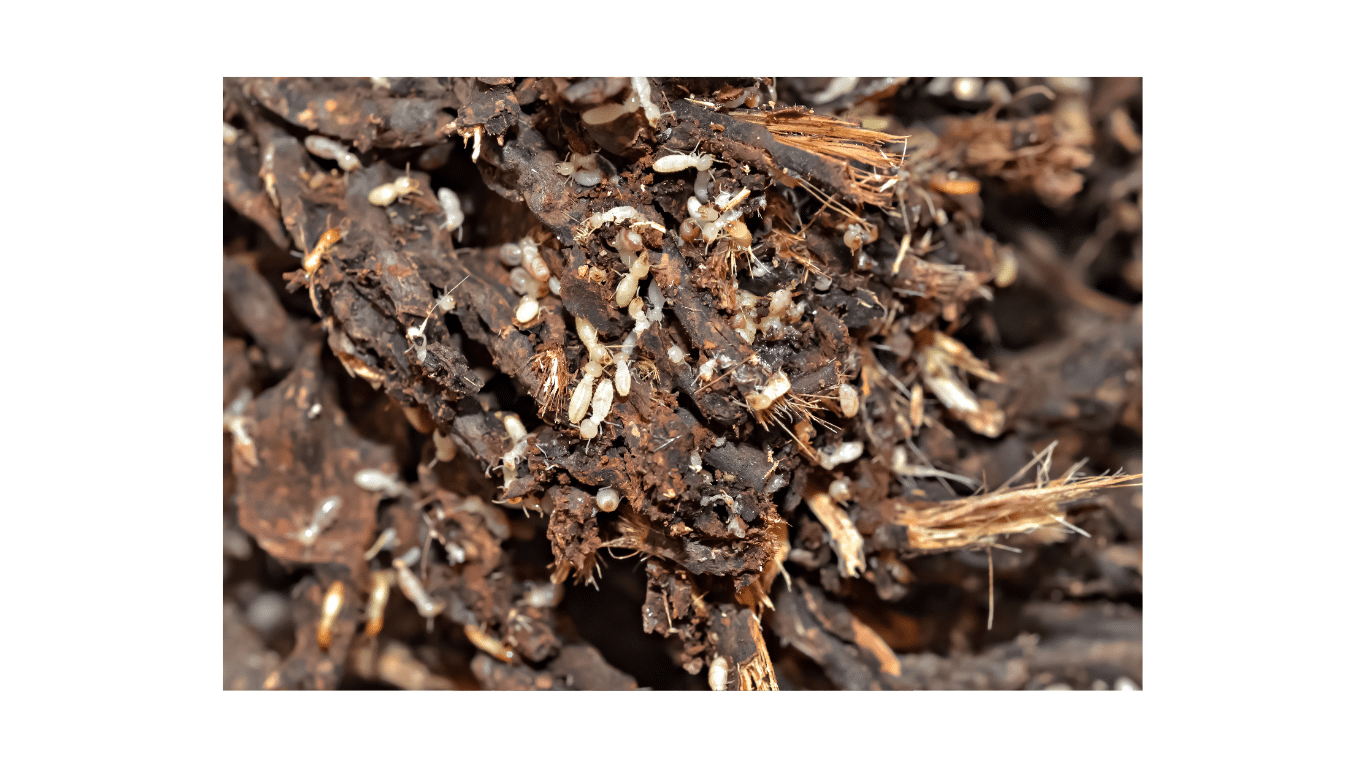
Subterranean Termite Quick Facts

Size

Workers typically measure about 1/8 inch long; soldiers are similar or slightly larger; winged swarmers reach roughly 1/2 inch including wings.

Color

Workers appear creamy white to pale; soldiers have darker heads (often yellowish-brown to orange-brown); winged adults range from dark brown to yellowish depending on the species.

How to Identify

Look for pencil-width mud tubes on foundations or walls, discarded wings of equal length near windows or lights, and soft or hollow-sounding wood; professional identification is often needed because several species occur in Florida and soldiers differ by head shape and defensive behavior.

Active Season

Activity continues year-round in South Florida’s warm climate, with swarming most noticeable from late winter through early summer.

Indoor or Outdoor

Primarily soil-nesting outdoors; workers enter buildings through tubes or cracks to feed on wood and cellulose materials.

Day or Night

Workers remain hidden in soil, tubes, or wood most of the time; native species often swarm during daylight after rain, while Formosan and Asian species more commonly swarm at dusk near lights.

Diet

Cellulose from wood, paper, cardboard, and similar materials.

About Subterranean Termites

Subterranean termites are wood-destroying social insects that live in colonies connected to the soil. In South Florida the group includes native Reticulitermes species as well as the invasive Formosan subterranean termite (Coptotermes formosanus) and Asian subterranean termite (Coptotermes gestroi). Homeowners and property managers most often notice them through mud tubes running up foundations, piles of discarded wings after a swarm, or soft, hollow-sounding wood.

These termites remain common across the region because the subtropical climate, high humidity, and frequent contact between soil and building materials allow colonies to persist and expand. The main concern for property owners is the gradual structural damage that can occur when a colony gains sustained access to wooden framing, floors, or other cellulose materials.

Where Are Subterranean Termites Commonly Found?

Outdoor Nesting Areas

Subterranean termites nest in the soil and maintain moisture contact through an extensive network of underground galleries. Typical outdoor sites include:

  • Soil near tree roots and landscape beds
  • Mulch and wood piles
  • Tree stumps and decaying wood
  • Areas with consistent irrigation or poor drainage
  • Landscape timbers and fence posts in contact with soil

They travel above ground by constructing protective mud tubes of soil, saliva, and fecal material that shield them from open air and predators.

Indoor Entry and Activity

Once near a structure, workers enter through expansion joints in slabs, cracks in foundations, utility penetrations, and any wood-to-soil contact. Common indoor or structural locations include:

  • Foundation walls and slab edges
  • Crawl spaces and pier supports
  • Wall voids and areas around plumbing penetrations
  • Wooden framing, floors, and baseboards near soil contact
  • Carton nests in voids or hollow tree trunks near buildings

South Florida Conditions That Support Activity

South Florida properties can provide favorable conditions because of the region’s year-round warmth, high humidity, dense landscaping, and frequent rainfall. Risk may increase when a property has:

  • Wood-to-soil contact or mulch piled against exterior walls
  • Poor drainage that keeps soil moist against the foundation
  • Trees or shrubs touching the structure
  • Wood debris, stumps, or landscape timbers near the building
  • Cracks, expansion joints, or unsealed utility penetrations

Subterranean Termite Behavior and Attractants

Feeding Habits

Workers feed continuously on cellulose from wood and other plant-based materials, returning digested material to feed other colony members. Preferred sources include:

  • Structural lumber and framing
  • Flooring, baseboards, and wooden fixtures
  • Paper, cardboard, and similar cellulose products
  • Decaying wood and landscape materials outdoors

Nesting and Colony Habits

Colonies are highly organized, with workers handling foraging and feeding, soldiers defending the nest, and reproductive adults (alates) dispersing during seasonal flights. The main nest remains in the soil. Workers tunnel through soil and build mud tubes to reach food sources, often traveling tens of feet from the colony.

Native Reticulitermes species typically produce daytime swarms after warm spring rains, while Formosan and Asian species more often fly at dusk on calm, humid evenings and are strongly attracted to lights. Colonies of invasive species can number in the hundreds of thousands to several million individuals.

Moisture and Shelter

Subterranean termites require consistent moisture. Persistent activity may be supported by:

  • Soil that remains wet against the foundation
  • Poor drainage or irrigation that saturates the soil
  • Wood-to-soil contact
  • Leaks or condensation that raise humidity in voids
  • Mulch or wood debris piled against the structure

Correcting these conditions is an important part of long-term management.

Peak Activity

Foraging continues year-round in South Florida. Swarming becomes most noticeable from late winter through early summer, with exact timing depending on the species and local weather. Heavy rain can temporarily flood soil galleries and push termites toward higher or drier areas, including building foundations.

Damage and Concerns

Property Damage

The primary issue is progressive damage to wooden structural elements. Workers excavate galleries inside wood while often leaving a thin outer shell intact, so damage can remain hidden until floors soften, doors stick, or paint bubbles from internal moisture. Formosan and Asian colonies are capable of especially rapid feeding because of their large size.

Mud tubes and swarmers also signal that soil-to-structure contact or moisture conditions exist that may need correction.

Health and Other Concerns

These termites do not transmit diseases to people or pets and are not known for biting or stinging in a medical sense. The realistic concern centers on long-term structural integrity and the cost of repairs if activity continues unchecked. Early detection through inspection of tubes, wings, and vulnerable wood reduces the extent of damage.

When Are Subterranean Termites Active in South Florida?

South Florida’s mild winters and high humidity keep subterranean termite colonies active throughout the year rather than forcing a true dormant period.

Swarming peaks vary by species:

  • Native eastern subterranean termites commonly fly from late winter into spring (often daytime after rain)
  • Formosan termites tend to swarm in late spring to early summer at dusk
  • Asian subterranean termites can begin earlier in South Florida

Heavy rainfall can temporarily flood soil galleries and push termites toward higher or drier locations, including building foundations. Extended wet periods and irrigation that saturates soil against the structure increase the likelihood of tube construction and foraging into wood. Cooler or drier spells may reduce visible surface activity without eliminating the colony. Sudden indoor appearance of swarmers or new tubes often follows a mature colony’s reproductive flight or a change in outdoor moisture that redirects foraging.

Why DIY Subterranean Termite Control May Fall Short

Surface sprays or store-bought treatments often kill only the workers that are visible at the moment, leaving the main colony intact in the soil or hidden galleries. Professional service becomes the better next step when tubes reappear, swarmers return, wood damage is present, or the extent of activity cannot be reliably assessed from the surface.
  • Treating Only Visible Workers | Spraying exposed termites or breaking mud tubes may eliminate the individuals seen without reaching the colony in the soil. New workers can continue foraging from the main nest.
  • Misidentification | Winged termites are frequently confused with flying ants, and the different subterranean species in Florida require different management considerations. Correct identification guides the appropriate approach.
  • Missing Soil and Hidden Galleries | The colony remains underground or inside wood. Treatments that do not address the soil connection or inaccessible galleries often provide only temporary relief.
  • Ignoring Moisture and Wood-to-Soil Contact | Control may be temporary when drainage problems, mulch against the foundation, or direct wood-to-soil contact remain uncorrected.
  • Inaccessible Areas | Activity under slabs, inside wall voids, or within nearby landscape trees can continue to support the colony even after surface treatments.
subterranean termite treatment in South Florida

Lower-Impact Options

When conditions allow, emphasis is placed on precise placement of baits or treatments, monitoring, and habitat modifications that reduce the need for broader applications.

The Pest Busterzz Subterranean Termite Treatment Approach

Pest Busterzz focuses on identifying the termite species when possible, evaluating the extent of activity, and developing a plan based on the conditions found at the property.

01

Inspection

We identify the termite species when possible, map active mud tubes and foraging paths, examine foundation-to-soil contact points, check for moisture problems, and assess the extent of wood involvement or nearby landscape sources such as trees.

02

Targeted Treatment

The plan is developed from inspection findings and may include soil treatments, bait systems placed to intercept foraging workers, localized applications to active tubes or accessible galleries, and recommendations for correcting wood-to-soil contact or drainage issues. Methods are selected according to the species, colony size indicators, and property conditions.

03

Monitoring & Follow-Up

Activity is rechecked at intervals appropriate to the treatment method and site conditions. Results are evaluated, additional problem areas are addressed if discovered, and the plan is adjusted as needed until activity declines.

04

Prevention

Practical steps often include eliminating wood-to-soil contact, improving drainage so soil does not stay saturated against the foundation, keeping mulch and wood debris away from exterior walls, sealing foundation cracks and utility penetrations where feasible, and maintaining regular inspections of vulnerable areas.

Subterranean termites require soil contact and build mud tubes; drywood termites live entirely inside wood and produce distinctive fecal pellets. Finding tubes or soil-linked activity points to subterranean species.

Mature colonies release swarmers to start new nests. In South Florida native subterranean termites often fly in daylight after rain from late winter into spring; Formosan and Asian species more commonly appear at dusk later in the season and gather at lights.

A single tube shows that workers have connected soil to a food source. The colony may still be limited, but inspection is needed to determine how far foraging has extended and whether other tubes or damage exist.

Yes. Formosan and Asian subterranean termites in particular are known to infest live trees, creating carton nests inside trunks or roots and potentially affecting nearby structures.

Flooded soil galleries can drive termites toward higher or drier locations, including building foundations. Persistent moisture against the structure also makes it easier for tubes to remain viable.

No. Swarmers are only the reproductive caste leaving to found new colonies. The parent colony remains in the soil and continues feeding unless treated at the source.

Workers of some species can travel more than 100 feet through soil and tubes to reach wood, so landscape trees or distant wood piles can still supply a colony that is attacking a building.

Any time mud tubes, discarded wings indoors, hollow-sounding wood, or repeated swarmers appear, or if wood-to-soil contact and moisture problems have existed for an extended period.

Pest Busterzz Home Icon

faqs

Subterranean Termite FAQs