

Dampwood Termite

Pest Busterzz Home Icon

Pest Library

Dampwood Termite
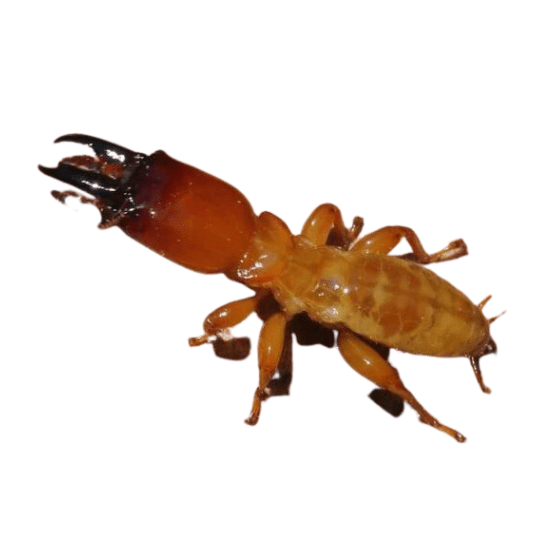
Dampwood Termite Quick Facts

Size:

Soldiers are often about 1/2 to 3/4 inch long; winged adults may approach 1 inch including the wings

Color:

Cream-colored nymphs; soldiers have yellowish to reddish-brown heads; swarmers are dark brown

How to Identify:

Large-bodied termites with long wings of equal length; soldiers have broad heads and prominent jaws

Active Season:

Colonies remain active year-round; winged adults are most noticeable during warm, humid swarming periods

Indoor or Outdoor:

Primarily outdoors in moist or decaying wood, but colonies may infest persistently wet structural lumber

Day or Night:

Colonies stay hidden inside wood. Winged reproductives commonly emerge after dusk and may be drawn to lights.

Diet:

Cellulose in damp, decaying, or water-damaged wood

About Dampwood Termites

Dampwood termites are large termites in the family Kalotermitidae. South Florida species include Neotermes castaneus, Neotermes jouteli, and Neotermes luykxi. Their colonies develop directly inside wood with enough moisture to support them, usually damaged trees, stumps, or lumber affected by a continuing leak.

They are mainly a South Florida pest and are considered a secondary structural concern because sound, dry lumber is generally unsuitable. When dampwood termites occur in a building, the infestation often points to wet wood, decay, poor drainage, roof leakage, plumbing trouble, or repeated irrigation contact. Correct identification matters because their biology and treatment needs differ from drywood and subterranean termites.

Where Are Dampwood Termites Commonly Found?

Natural and Outdoor Colony Sites

Dampwood termite colonies commonly occupy wood with high moisture content. Typical outdoor sites include:

  • Dead or storm-damaged tree limbs
  • Tree cavities, scars, and areas beneath loose bark
  • Rotting logs, stumps, and fallen wood
  • Waterlogged landscape timbers
  • Wood piles exposed to rain or soil moisture
  • Decaying fence posts and wooden supports
  • Wood near poorly drained soil or standing water
  • Damaged trees with persistent moisture and decay

Unlike subterranean termites, dampwood termites do not require contact with soil. The colony lives, feeds, and develops within the damp wood itself.

Structural Infestation Sites

Structural infestations are most likely where wood remains wet for an extended period. Areas that deserve attention include:

  • Wall framing affected by plumbing or exterior leaks
  • Water-damaged window and door frames
  • Roof framing, fascia, soffits, and eaves below leaks
  • Wood surrounding leaking plumbing penetrations
  • Sheathing and framing behind damaged siding
  • Wood beside wet insulation or condensation
  • Porches, decks, and additions with chronic moisture exposure
  • Bathrooms, kitchens, laundry rooms, and utility areas with unresolved leaks

A colony can remain concealed within wood, so visible insects may not appear until a swarm or until damaged material is opened.

South Florida Conditions That Support Colonies

South Florida’s warmth, humidity, rainfall, tropical storms, and long growing season can keep vulnerable wood damp. Risk may increase when a property has:

  • Damaged or decaying trees close to buildings
  • Dead branches or stumps left after storms
  • Moisture-damaged fascia, soffits, siding, or window frames
  • Clogged, missing, or leaking gutters
  • Roof, plumbing, irrigation, or air-conditioning condensation leaks
  • Wood piles exposed to rain or soil moisture stored against the structure
  • Wood-to-soil contact or poor drainage around wooden components
  • Sprinklers that repeatedly wet exterior wood
  • Decks, railings, or posts that remain damp after rainfall

Dampwood Termite Behavior and Colony Development

Feeding Inside Damp Wood

Dampwood termites consume cellulose while tunneling through moist wood. Colonies may feed in:

  • Decaying portions of living or damaged trees
  • Stumps, logs, and fallen branches
  • Wet structural framing
  • Water-damaged trim, siding, and roof components
  • Outdoor wooden features exposed to chronic moisture

Their galleries generally follow softened areas of wood and may contain moist, irregular fecal material rather than the hard, dry pellets commonly associated with drywood termites.

Colony Development

A colony begins when winged reproductives pair after a mating flight and enter suitable damp wood. The king and queen remain within the wood while offspring develop into nymphs, soldiers, and later additional reproductives.

Dampwood termite colonies are usually smaller than large subterranean termite colonies and do not have a true worker caste. Older nymphs perform much of the feeding, grooming, and gallery maintenance.

Moisture Dependence

Persistent activity depends on wood retaining enough moisture. Supporting conditions may include:

  • Roof leaks
  • Leaking windows or doors
  • Plumbing leaks
  • Wet wall or ceiling cavities
  • Condensation around air-conditioning equipment
  • Poor drainage or standing water
  • Irrigation that repeatedly wets wood
  • Decaying wood that has not been removed

Drying, repairing, or removing the affected wood is central to long-term management because the colony cannot remain established without suitable moisture.

Swarming and Hidden Activity

Most colony activity remains hidden within wood throughout the year. Property owners are more likely to notice winged termites during warm, humid weather, particularly around evening lights or near the wood from which they emerged.

Swarming periods vary among South Florida dampwood termite species, so a sample or clear photograph can help a professional determine which termite is present.

Damage and Property Concerns

Wood Damage

Dampwood termites feed within wood and can enlarge galleries as a colony develops. In structures, they are usually associated with lumber that is already wet or decayed, which is why they are considered a secondary pest rather than the most common cause of widespread termite damage.

Their presence may reveal an underlying condition such as:

  • Water-damaged or decaying wood
  • A roof, plumbing, window, or gutter leak
  • Poor drainage or repeated irrigation contact
  • Unsealed exterior lumber
  • Storm-damaged trees or wooden components
  • Wood that remains in contact with wet soil

Because dampwood, drywood, and subterranean termites require different management strategies, identification should come before treatment decisions.

Moisture and Repair Concerns

Dampwood termites are not food-contamination pests and do not spread disease through kitchens or stored products. The more practical concern is locating the source of moisture and determining whether affected wood needs drying, repair, removal, or evaluation by another qualified professional.

Health and Pet Risks

Dampwood termites are not known for biting or stinging people or pets. Winged adults may be a nuisance when they emerge indoors or gather around lights, but the primary concern is the condition of the wood where the colony is living.

Seeing swarmers or discovering galleries does not by itself show how extensive an infestation is. A focused inspection can determine whether activity is limited to one damp component or connected to a larger moisture problem.

When Are Dampwood Termites Active in South Florida?

South Florida’s subtropical conditions allow colonies inside suitable wood to remain active year-round. Seasonal changes are most noticeable when mature colonies release winged reproductives.

Activity may increase during:

  • Warm, humid weather
  • Rainy-season moisture
  • Periods following heavy rain or storms
  • Tropical weather that leaves wood saturated
  • Evening conditions favorable for mating flights
  • New leaks or drainage problems that keep lumber wet
  • Storm damage that leaves wet branches, stumps, or exposed lumber

Rain does not typically drive an established colony to forage through a building. Instead, continued wetting can make additional wood suitable for colony establishment or expansion. Swarmers may suddenly appear near windows, doors, fixtures, or outdoor lights.

During cooler or drier periods, visible swarming may decline while the colony remains concealed and active within its wooden shelter.

What Are the Signs of a Dampwood Termite Infestation?

Winged termites appearing near windows, doors, fixtures, or outdoor lights may be the first visible clue. You may also find discarded wings close to the emergence point. When affected wood is opened, dampwood termite galleries tend to be irregular and follow softened, moisture-damaged areas. Fecal material may be moist and pressed against gallery walls rather than forming the hard, loose pellets associated with drywood termites. Wood may sound hollow or feel soft, but moisture decay can create similar symptoms. Because the colony remains concealed and several termite groups occur in South Florida, save a sample when possible and avoid disturbing the area before an inspection.

How DIY Dampwood Termite Control May Fall Short

A do-it-yourself response may address visible swarmers without finding the infested wood or the moisture source. Professional inspection is especially practical when winged termites emerge indoors, damaged wood is inaccessible, the termite type is uncertain, or activity appears in structural components.
  • Treating Only Visible Swarmers | Vacuuming or spraying winged termites may remove insects in the room, but it does not reach the colony concealed inside wood.
  • Misidentifying the Termite | Dampwood termites can be confused with drywood or subterranean termites, yet each group has different moisture needs, signs, and treatment considerations.
  • Missing the Moisture Source | Treatment may be temporary when roof leaks, plumbing problems, poor drainage, or irrigation continue to keep the wood wet.
  • Overlooking Hidden Galleries | The colony may extend through wood that cannot be evaluated from the exposed surface, especially around roofs, windows, walls, and enclosed framing.
  • Leaving Infested Wood in Place | Wet, decayed material may continue supporting termite activity until it is dried, repaired, or removed as appropriate.
  • Using Products Without a Confirmed Plan | Applications that do not match the termite, infestation location, and property conditions may obscure signs without resolving the source.
dampwood termite inspection in South Florida

Lower-Impact Options

When appropriate, Pest Busterzz may prioritize precise inspection, moisture correction, removal or repair recommendations, localized treatment, and monitoring to reduce unnecessary product use.

The Pest Busterzz Dampwood Termite Treatment Approach

Pest Busterzz builds the service plan around correct termite identification, the location and extent of activity, and the moisture conditions supporting the colony.

01

Inspection

We identify the termite type, inspect damaged or damp wood, look for galleries and swarm evidence, and evaluate leaks, drainage, irrigation, decay, and other conditions that may be supporting activity.

02

Targeted Treatment

The plan depends on the inspection findings. It may involve removing or replacing infested wet wood, correcting conducive moisture conditions, or using an appropriate localized termite treatment when warranted.

03

Monitoring & Follow-Up

Follow-up may include checking for continued swarm activity, reviewing repaired moisture conditions, evaluating treated areas, and adjusting the plan if additional infested wood is discovered.

04

Prevention

Recommendations may include repairing leaks, cleaning or adding gutters, redirecting sprinklers, improving drainage, sealing exposed wood, and removing or repairing damp, decayed, or infested lumber.

Yes. Florida has several dampwood termite species, and they occur mainly in South Florida. They are most often associated with damaged trees, stumps, and other wood that stays damp. Structural infestations are less common and usually involve an ongoing moisture problem.

Dampwood termites are larger than many other Florida termites. Swarmers have two pairs of long, equal-sized wings, straight antennae, and a broad waist. Soldiers have large yellowish or reddish-brown heads with strong jaws. Professional identification is recommended because termite species can look similar.

They can damage structural wood when it remains wet enough to support a colony. However, dampwood termites are considered a secondary pest because they usually infest wood already affected by moisture or decay rather than sound, dry lumber.

Swarmers may gather near windows because they are attracted to light. Activity may also originate from a leaking or decayed window frame. An inspection can determine whether the insects flew in from outdoors or emerged from damp wood within the structure.

No. Dampwood termites live directly inside moist wood and do not normally build the shelter tubes associated with subterranean termites. The absence of mud tubes does not rule out a termite problem, so the insects and damaged material should be identified.

Dampwood termites are not considered a biting, stinging, or disease-spreading pest. They generally remain hidden inside wood. The practical concern is potential wood damage and the moisture or decay that made the material suitable for infestation.

A household spray may kill exposed swarmers but is unlikely to reach a colony inside wood. More importantly, it does not correct the leak, drainage problem, or decayed material that allows the colony to persist.

Both groups live inside wood without soil contact, but dampwood termites require wood with substantial moisture. Drywood termites can live in comparatively dry, sound wood and often produce hard, pellet-like droppings. Accurate identification guides the inspection and treatment plan.

A single swarmer may have entered from outdoors, especially near an open door or light. Several swarmers indoors, discarded wings, repeated seasonal activity, or insects emerging from wood make an inspection more important.

Not automatically. Dampwood termites often occupy dead or damaged portions of trees. A qualified arborist can evaluate the tree’s condition and safety, while a pest professional can confirm the termite type and whether nearby structures show activity.

Pest Busterzz Home Icon

faqs

Dampwood Termite FAQs

Schedule a Dampwood Termite Inspection in South Florida

Dampwood termite activity often begins with wet or decaying wood, but the insects can be difficult to distinguish from other South Florida termites. Pest Busterzz can identify the termite, inspect the affected areas, and recommend a treatment plan based on the conditions found. Addressing leaks, drainage problems, and damaged wood can also help reduce the conditions that may allow activity to return.