

Pest Library
American Cockroach Control in South Florida
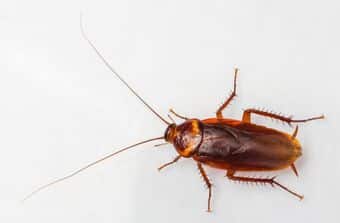
American Cockroach Quick Facts
Size
Adults are typically about 1 ⅜ to 2 ⅛ inches long.
Color
Reddish-brown to dark brown, with a lighter margin around the pronotum behind the head.
How to Identify
A large, flattened cockroach with long antennae and fully developed wings; it may be confused with other large Florida cockroach species.
Active Season
May remain active year-round in South Florida, with activity often increasing after heavy rain or when outdoor conditions change.
Indoor or Outdoor
Both; it commonly lives in moist outdoor or utility areas but may enter homes and businesses through plumbing, drains, doors, roofs, and other openings.
Day or Night
Mostly active at night and often hides during the day.
Diet
An opportunistic scavenger that feeds on a wide variety of organic matter, including food scraps and decaying material.
About American Cockroaches
Why DIY American Cockroach Control May Fall Short
Recurring indoor sightings can be difficult to resolve with consumer products alone because American cockroaches may be entering from drainage systems, plumbing areas, exterior harborages, and other inaccessible utility spaces. Professional service may be appropriate when sightings continue, the source is unclear, or cleanup and exclusion efforts have not resolved the activity.

Lower-Impact Options
When appropriate, Pest Busterzz may emphasize precise treatment placement, monitoring, exclusion, sanitation, habitat modification, and targeted baiting to help avoid unnecessary product use.
The Pest Busterzz American Cockroach Treatment Approach
Pest Busterzz begins by identifying the cockroach, evaluating where activity is occurring, and developing a treatment plan based on the specific inspection findings.
Inspection
We identify the cockroach and inspect plumbing areas, drains, utility spaces, kitchens, bathrooms, garages, exterior walls, landscaping, mulch, wood piles, moisture sources, organic debris, and likely entry routes.
Targeted Treatment
Depending on the property and level of activity, the plan may include targeted applications, baiting, crack-and-crevice treatments, exterior management, exclusion recommendations, and steps that reduce favorable breeding or shelter areas.
Monitoring & Follow-Up
We evaluate activity after treatment and determine whether additional attention is appropriate. Follow-up needs depend on the severity, source, weather conditions, and whether contributing property conditions have been corrected.
Prevention
Recommendations may include sealing practical entry points, addressing plumbing or moisture issues, managing mulch and organic debris, reducing exterior clutter, maintaining sanitation around food and waste, and limiting shelter near the building.
faqs