

Pest Library
Asian Tiger Mosquito Control in South Florida
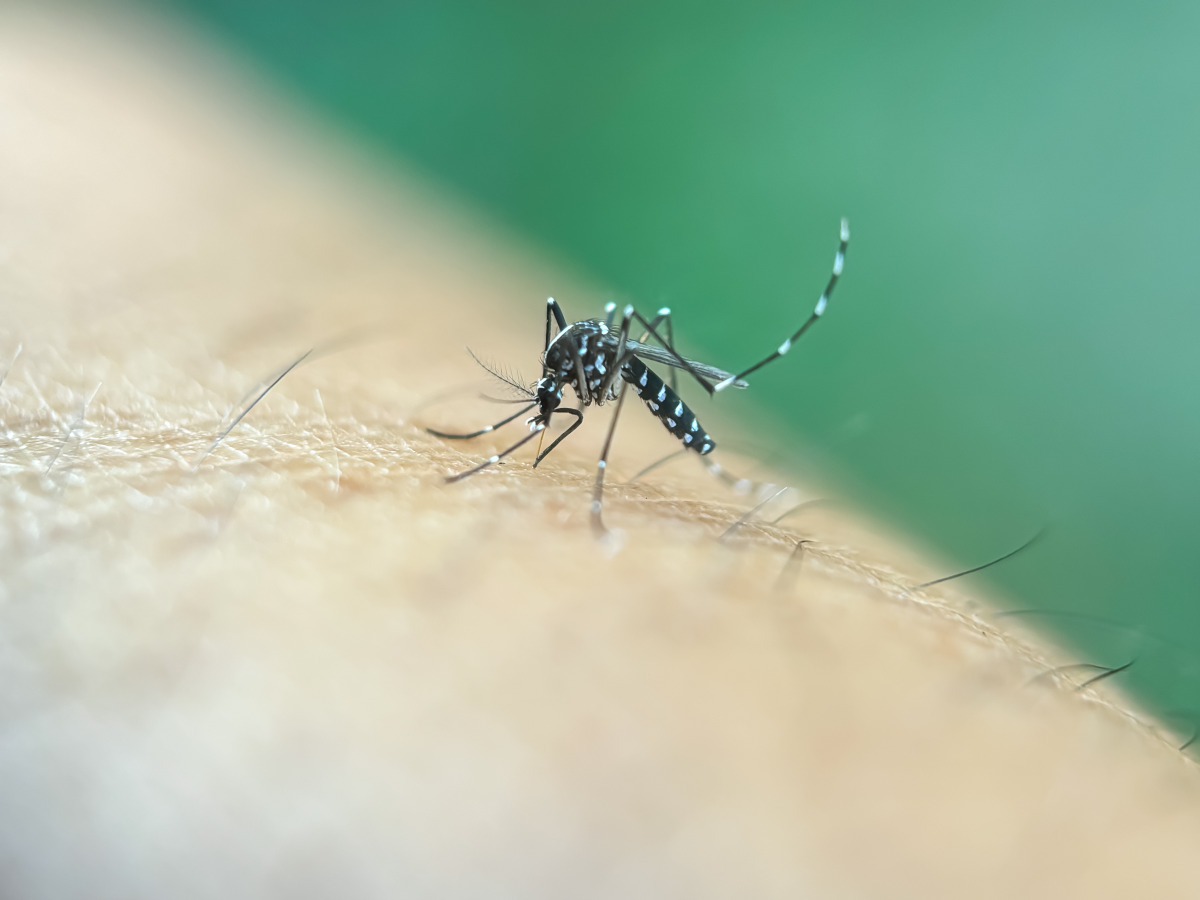
Asian Tiger Mosquito Quick Facts
Size
About 1/4 inch long, although size varies among individuals
Color
Black with bright white bands on the legs and a single white stripe down the center of the upper back
How to Identify
A dark mosquito with striped legs and one distinct white line on the thorax; professional identification may help distinguish it from other Aedes mosquitoes
Active Season
Active year-round in South Florida, with heavier activity during warm, rainy, and humid periods
Indoor or Outdoor
Primarily outdoors around shaded vegetation and containers, but adults may enter buildings through open doors or damaged screens
Day or Night
Most active during daylight hours, especially in the morning and late afternoon
Diet
Females take blood meals to produce eggs; adults also feed on plant nectar, while larvae consume microorganisms and organic matter in water
About Asian Tiger Mosquitoes
Why a Few Ounces of Water Can Sustain the Problem
Asian tiger mosquitoes do not need a pond, ditch, or large puddle to reproduce. A bottle cap, folded tarp, clogged gutter, bromeliad cup, plant saucer, or toy can hold enough water for larvae to develop. Eggs are placed on damp surfaces just above the waterline and may remain there until rain or irrigation covers them. This is why dumping visible water once may not end the cycle: the container can refill, and eggs attached to its sides may hatch later. A thorough inspection should look beyond obvious standing water and include shaded landscaping, roof drainage, stored equipment, decorative plants, and items that collect water intermittently.
Why DIY Asian Tiger Mosquito Control May Fall Short
Asian tiger mosquito activity can continue when hidden containers keep producing new adults. DIY steps may reduce numbers, but a professional inspection is often practical when daytime biting returns quickly, breeding sites are difficult to locate, the property has dense landscaping, or activity affects customers, residents, or outdoor work areas.

Lower-Impact Options
When appropriate, Pest Busterzz may prioritize source reduction, precise placement, monitoring, vegetation management, and focused treatment of verified breeding or resting areas to reduce unnecessary product use.
The Pest Busterzz Asian Tiger Mosquito Treatment Approach
Pest Busterzz develops an Asian tiger mosquito plan from the property inspection, observed activity, breeding habitat, vegetation, and the way outdoor areas are used.
Inspection
We confirm mosquito activity and inspect containers, gutters, drains, bromeliads, shaded vegetation, pool areas, storage zones, and other places that may hold water or shelter adults.
Targeted Treatment
Based on the findings, the plan may combine breeding-site reduction, habitat modification, precise exterior treatment of appropriate resting areas, and management of water sources that cannot immediately be removed. Methods depend on the property and activity level.
Monitoring & Follow-Up
We evaluate changes in biting pressure and mosquito activity, inspect newly identified water sources, and adjust the plan when weather, irrigation, or site conditions create new problem areas.
Prevention
Recommendations may include emptying or covering containers, clearing gutters, correcting drainage, maintaining pools, refreshing pet and bird water, thinning dense vegetation, and repairing door or window screens.
faqs
Asian Tiger Mosquito FAQs
Take Back Your South Florida Outdoor Space
If striped, daytime-biting mosquitoes are making your home or business uncomfortable, Pest Busterzz can inspect the property, confirm the pest, and build a treatment plan around the breeding sites, resting areas, and environmental conditions found. Schedule service to address current activity and reduce the conditions that may allow Asian tiger mosquitoes to return.