

Bean Weevil

Pest Busterzz Home Icon

Pest Library

Bean Weevil
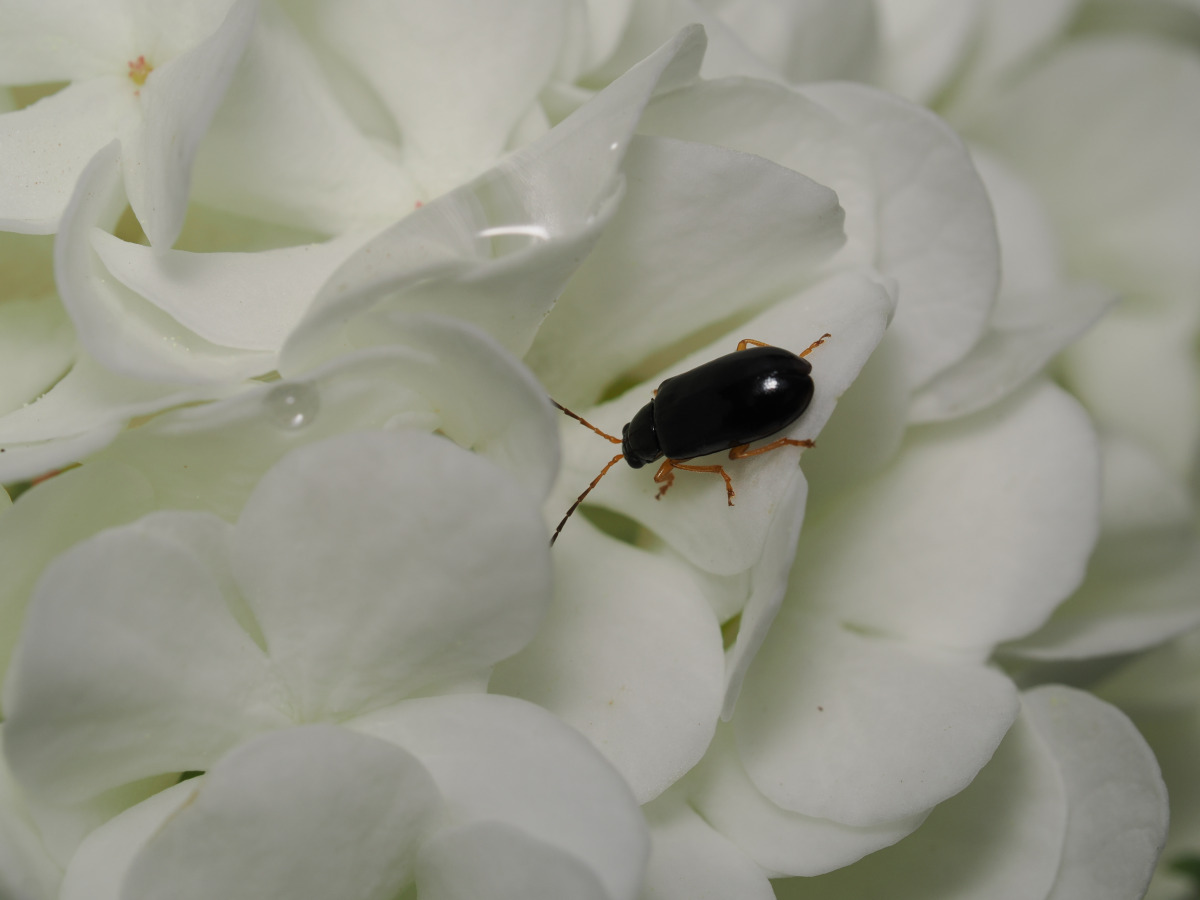
Bean Weevil Quick Facts

Size

Adults typically measure about 1/10 to 1/8 inch (2–5 mm) long

Color

Olive-brown to mottled brown-black and gray; legs and antennae often reddish

How to Identify

Compact, oval seed beetle without a long snout; short wing covers that leave the tip of the abdomen exposed; round exit holes in dried beans or legumes

Active Season

May remain active year-round in South Florida’s warm climate, especially when stored beans provide food

Indoor or Outdoor

Primarily a stored-product pest indoors (pantries, kitchens, food storage); can also infest bean plants or pods outdoors in gardens or fields

Day or Night

Adults are often noticed during the day when disturbed or when seeking new food or light; activity can occur at various times depending on temperature and disturbance

Diet

Larvae develop inside and feed on dried beans, peas, lentils, and other legumes; adults feed mainly on pollen

About Bean Weevils

Bean weevils (Acanthoscelides obtectus) are seed beetles (bruchids) rather than true weevils. They lack the elongated snout typical of many weevil species and instead have a more compact, oval body. South Florida homeowners and business owners most often encounter them in pantries or food-storage areas after purchasing or storing dried beans, peas, or similar legumes that already contain eggs or larvae. Adults may also appear near windows or lights after emerging from infested packages. The main concern for property owners is contamination and loss of stored dry goods rather than structural damage or health risks from bites or disease transmission.

Where Are Bean Weevils Commonly Found?

Indoor Storage Areas

Bean weevils develop primarily inside dried legume seeds. Indoors they are most commonly found in:

  • Kitchen pantries and cupboards
  • Food-storage closets and cabinets
  • Bags, boxes, or containers of dried beans, peas, lentils, or chickpeas
  • Warehouse or commercial dry-goods storage
  • Infrequently used packages that remain sealed for long periods

Infestations often begin with a single package brought into the home or business that already harbors eggs or larvae.

Outdoor Locations

Outdoors, adults may visit flowering plants for pollen and can lay eggs on green bean pods or drying seeds in home gardens or agricultural settings.

South Florida Conditions That Support Activity

South Florida’s consistently warm temperatures and humidity allow populations to persist and multiply in protected indoor storage whenever suitable food remains available. Cluttered shelves, opened packages, and infrequently used dried goods increase the chance that an infestation goes unnoticed until adults emerge.

Bean Weevil Behavior and Life Cycle

Feeding and Development

Female bean weevils lay dozens of eggs on or near seeds or pods. After hatching, larvae bore into individual beans, where they feed and develop completely inside the seed. Multiple larvae can occupy a single large bean. When development is complete, the new adult chews a clean, round exit hole and emerges.

Adult Habits

Adults are capable of flight and may gather near windows or lights when seeking new food sources or attempting to leave an infested package. They can play dead briefly when disturbed. Under warm conditions the life cycle may be completed in roughly three to four weeks, allowing several generations per year indoors. Adults feed mainly on pollen rather than on the stored seeds themselves, but their presence signals that larvae have already damaged the beans.

Damage and Concerns

Food Contamination and Product Loss

Bean weevils are primarily a food-contamination and product-loss concern. Larvae hollow out seeds, leaving powdery frass, reducing weight and germination ability, and rendering the product unusable for eating or planting. Contaminated packages may need to be discarded, and adults can spread to nearby containers of dried legumes if packages are left open or poorly sealed.

What Bean Weevils Do Not Do

They do not bite or sting people or pets, do not transmit human diseases, and do not damage wood, fabric, or building structures. The presence of bean weevils is usually a pantry or storage issue rather than a sign of broader sanitation problems, though it does indicate that an infested product has been introduced.

When Are Bean Weevils Active in South Florida?

In South Florida’s subtropical climate, bean weevil activity can continue throughout the year whenever dried legumes are stored at room temperature. Warm indoor conditions allow continuous breeding without the winter pauses seen in cooler regions.

Outdoor activity on garden beans or flowering plants may increase during the warmer, wetter months when plants are producing pods and flowers. Sudden indoor sightings often follow the purchase of an already-infested package or the opening of long-stored dried beans. Heavy rain or storms do not typically drive bean weevils indoors in the same way they affect outdoor insects; most home infestations originate from the food products themselves.

Why DIY Bean Weevil Control May Fall Short

Home efforts often focus only on the adults that are visible while missing the larvae still developing inside seeds. Professional service becomes the more practical next step when activity returns after cleaning, when the source cannot be confidently located among multiple storage areas, or when identification is uncertain.

  • Treating Only Visible Adults | Surface sprays or contact treatments affect only the beetles that are out in the open. Larvae sealed inside individual beans continue to develop and emerge later.
  • Missing Hidden Packages | Discarding one obviously infested bag without inspecting every similar product can leave a continuing source of new adults.
  • Incomplete Cleaning | Residual eggs, frass, or overlooked containers on shelves and in crevices can sustain the problem after surface cleaning.
  • Scattering Rather Than Eliminating | Repellent products may simply encourage adults to move to other locations or packages instead of resolving the infestation.
  • Uncertainty About the Source | When activity keeps returning or the original package cannot be located among multiple storage areas, a professional inspection provides clearer identification and a more complete plan.
bean weevil treatment in South Florida

Lower-Impact Options

When appropriate, Pest Busterzz emphasizes precise source elimination, thorough cleaning, exclusion through better storage practices, and targeted applications rather than broad treatments, helping limit unnecessary product use while addressing the infestation.

The Pest Busterzz Bean Weevil Treatment Approach

Pest Busterzz focuses on identifying the source of bean weevil activity, removing infested products, and reducing the conditions that allow activity to continue.

01

Inspection

We identify the insect, examine all dried legumes and related stored products, locate the primary source packages, and check pantry shelves, cabinets, and nearby storage for additional activity.

02

Targeted Treatment

The plan is based on inspection findings and may include thorough source removal of infested products, localized treatment of storage areas, crack-and-crevice applications where adults are hiding, and recommendations for cleaning and sealing remaining goods.

03

Monitoring & Follow-Up

Activity is checked after the initial service, results are evaluated, and the plan is adjusted if new sources or residual insects appear. Follow-up timing depends on the level of infestation found and the conditions present at the property.

04

Prevention

Store dried beans, peas, and similar products in airtight containers after purchase. Inspect packages for holes or powder before bringing them into the pantry. Rotate stock so older items are used first, keep shelves clean and free of spills, and consider freezing newly purchased dried legumes for several days when practical.

Look for small mottled brown beetles without a long snout and for clean, round exit holes in dried beans or legumes. Other pantry beetles may attack different foods or leave different damage patterns. Professional identification confirms the species when the source is unclear.

Most indoor infestations begin with a package of dried beans, peas, or similar legumes that already contained eggs or larvae when purchased. Adults emerge and may fly or crawl toward light or new food sources.

Dried beans are the primary host, but they can also develop in peas, lentils, chickpeas, and certain other legumes. Adults may visit outdoor flowers for pollen.

Yes. They can infest developing pods and seeds on garden plants and may complete generations outdoors under warm conditions. Most household problems, however, start indoors from stored products.

They do not bite, sting, or transmit diseases to humans or pets. The main issue is contamination and spoilage of the stored legumes themselves.

Not always, but adults typically emerge only after larvae have developed inside seeds. Finding adults usually means at least one package has been supporting hidden development and should be inspected thoroughly.

Freezing can kill insects inside a single package, and discarding clearly infested items is important. However, other nearby packages, shelf residues, or overlooked containers may still harbor activity, allowing the problem to continue.

Contact Pest Busterzz when adults keep appearing after cleaning, when multiple packages are affected, when the source is difficult to locate, or when you prefer a thorough inspection and tailored plan for a South Florida home or business.

Pest Busterzz Home Icon

faqs

Bean Weevil FAQs