

Black Salt Marsh Mosquito

Pest Busterzz Home Icon

Pest Library

Black Salt Marsh Mosquito Control in South Florida
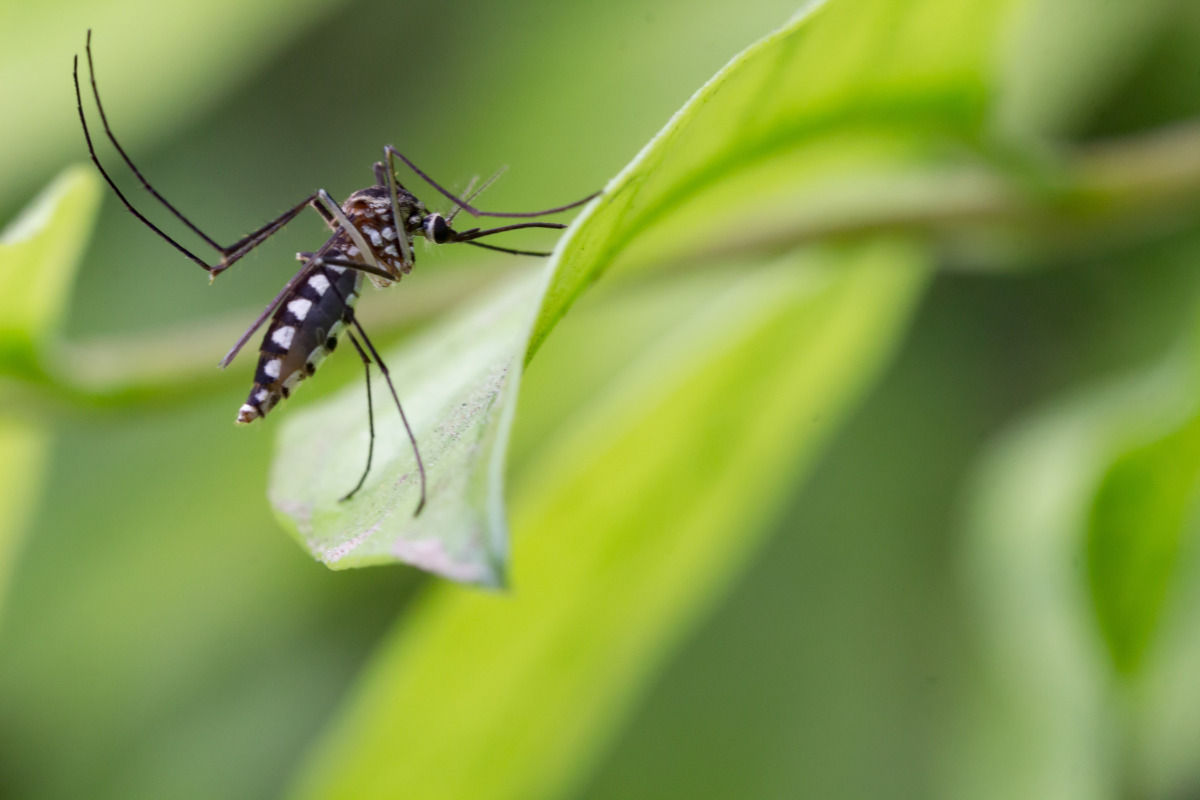
Black Salt Marsh Mosquito Quick Facts

Size

Adults are usually about 1/8 to 1/4 inch long, not including the legs

Color

Mostly dark brown to black with pale bands on the legs and a distinct white band around the middle of the proboscis

How to Identify

A dark mosquito with pale-banded legs and a noticeable white ring around the middle of its long mouthpart; exact identification may require a professional

Active Season

Active year-round in South Florida, with major increases after high tides, heavy rain, flooding, and warm weather

Indoor or Outdoor

Primarily outdoors near coastal marshes, mangroves, shaded vegetation, and properties within flying range of breeding habitat

Day or Night

Females may bite during the day or evening, with activity often strongest near dawn, dusk, shaded areas, and after large coastal hatches.

Diet

Females take blood meals from people and other mammals to produce eggs; males and females also feed on plant sugars and nectar.

About Black Salt Marsh Mosquitoes

The black salt marsh mosquito, Aedes taeniorhynchus, is a dark, aggressive-biting mosquito strongly associated with coastal salt marshes and mangrove environments. It is recognized by pale-banded legs and a white band around the middle of the proboscis, although several mosquitoes look similar enough that close identification may require a trained professional.

South Florida residents often notice this species after tides, storms, or rainfall flood low-lying coastal breeding sites and trigger a large hatch. Adults can travel considerable distances from marsh habitat, so heavy activity may reach homes and businesses that have little standing water on-site. The main concerns are persistent outdoor biting, reduced use of yards and patios, and recurring waves of mosquitoes arriving from surrounding areas.

Where Are Black Salt Marsh Mosquitoes Commonly Found?

Coastal Breeding Areas

Black salt marsh mosquito larvae develop in temporary, shallow pools created when salt marshes, mangrove zones, and other coastal depressions flood. Eggs are deposited on damp soil or vegetation and can remain above the waterline until the next suitable flooding event. Important breeding environments include:

  • Salt marsh depressions flooded by unusually high tides
  • Mangrove and coastal wetland edges
  • Brackish pools that form after storms or heavy rainfall
  • Low-lying swales and depressions near coastal properties
  • Areas where tidal water becomes temporarily trapped
  • Wet soil and vegetation that later dry between flooding events
  • Coastal conservation land, canals, and undeveloped marsh habitat
  • Flooded areas capable of producing many larvae at the same time

Unlike container-breeding mosquitoes, this species does not depend mainly on buckets, flowerpots, or gutters. Its largest populations often originate in broad natural or semi-natural coastal areas that individual property owners cannot drain or directly manage.

Adult Resting Areas Near Buildings

Black salt marsh mosquitoes are primarily outdoor insects. Adults may rest close to homes and businesses during hot, bright, or windy periods in protected locations such as:

  • Dense shrubs and hedges
  • Shaded vegetation beneath trees
  • Covered patios and screened-enclosure edges
  • Garages, entryways, and breezeways when doors remain open
  • Under decks, outdoor furniture, and landscape features
  • Areas protected from direct sun and strong airflow
  • Vegetation near parking lots, loading areas, and outdoor seating
  • Cool, humid spaces near irrigation and drainage zones

They do not normally establish indoor breeding populations. An occasional mosquito may enter through an open door, damaged screen, or unscreened opening, but repeated indoor encounters usually reflect heavy outdoor pressure or an access problem rather than indoor reproduction.

South Florida Conditions That Support Activity

South Florida’s warm climate, long mosquito season, coastal wetlands, mangroves, tidal influence, and frequent storms can support repeated population surges. Activity around a property may be more noticeable when it has:

  • Close proximity to salt marshes, mangroves, canals, or coastal preserves
  • Dense landscaping that provides shaded adult resting sites
  • Outdoor seating or work areas with limited airflow
  • Damaged window or door screens
  • Frequent opening of doors during peak mosquito activity
  • Low-lying areas that temporarily hold brackish or rainwater
  • Irrigation that keeps vegetation consistently damp
  • Poorly maintained drainage around outdoor-use areas
  • Nearby flooded habitat beyond the property boundary

Black Salt Marsh Mosquito Behavior and Attractants

Feeding and Host-Seeking

Adult females locate people and other mammals by following carbon dioxide, body heat, movement, and skin-related odors. Their feeding behavior may bring them into yards, patios, recreational areas, parking lots, and outdoor business spaces. Common activity cues include:

  • Carbon dioxide released by people and animals
  • Body heat and movement
  • Human and animal odors
  • Shaded, humid areas protected from wind
  • Plant nectar and other natural sugar sources used by adults

Only females take blood meals, which provide nutrients needed for egg production. Males do not bite. Both sexes may feed on flower nectar and other plant sugars for energy.

Floodwater Breeding Cycle

Females place eggs on moist soil or vegetation in areas likely to flood. The eggs can withstand drying and remain in place until high tides, rainfall, or storm water covers them. Flooding can cause many eggs to hatch at once, producing dense groups of larvae in shallow water.

Larvae feed and develop in the flooded habitat, then pass through the pupal stage before adults emerge. When weather is warm, this development can happen quickly enough for residents to notice a sharp increase in biting mosquitoes several days after a flooding event.

Movement and Resting Behavior

Adults are strong fliers and may move well beyond the marsh where they developed. Persistent activity around a property may be supported by:

  • Nearby coastal or brackish wetlands
  • Prevailing winds carrying mosquitoes inland
  • Dense vegetation used for daytime shelter
  • Shaded outdoor spaces with weak airflow
  • Repeated tidal flooding or storm-related flooding
  • Warm, humid weather that supports survival
  • Outdoor gatherings during active biting periods
  • Open or damaged screens that allow adults indoors

Because adults can arrive from off-site habitat, property-level management focuses on reducing resting areas, limiting entry, lowering exposure, and treating appropriate areas identified during inspection.

Peak Activity

Black salt marsh mosquitoes can bite during daylight as well as around dawn and dusk. Activity may feel most intense in shaded locations, near vegetation, and when wind is light. Large emergences can produce persistent daytime biting that differs from the more limited evening activity people expect from some other mosquito species.

Population surges are often synchronized with flooding. A property may seem manageable one week and experience heavy mosquito pressure shortly after a high-tide cycle, tropical system, or extended rainfall floods nearby marsh habitat.

Black Salt Marsh Mosquito Concerns

Biting and Outdoor Nuisance

Black salt marsh mosquitoes do not damage buildings, landscaping, furniture, or stored products. Their primary impact is biting activity. Large numbers can make patios, pools, walkways, work areas, and outdoor events uncomfortable to use, especially after a regional hatch.

Heavy activity may affect:

  • Comfort in residential yards and community spaces
  • Outdoor dining, hospitality, and customer areas
  • Landscaping, maintenance, and construction work
  • Pet walks and outdoor recreation
  • Employee comfort near loading docks or entrances
  • Indoor comfort when adults enter through doors or damaged screens

Correct identification matters because black salt marsh mosquitoes may resemble other dark mosquitoes, while their breeding habitat, flight range, and timing differ from container-breeding species commonly found close to homes.

Health Considerations

Black salt marsh mosquitoes bite people and other mammals. Bites may cause temporary itching, redness, or swelling. Mosquitoes as a group can transmit pathogens, but the presence of this species does not mean that any individual mosquito is infected. Public-health significance varies by location, pathogen, surveillance findings, and local conditions, so bite prevention remains appropriate without assuming every bite will cause illness.

When to Seek Additional Help

Avoid scratching bites and follow normal first-aid guidance for minor skin irritation. Contact a medical professional for severe swelling, trouble breathing, signs of infection, or other unusual symptoms. Questions about mosquito-borne disease activity should be directed to local public-health or mosquito-control authorities.

For businesses, schools, multifamily properties, and hospitality sites, repeated mosquito complaints may also affect outdoor operations and customer experience. A documented inspection and practical mosquito-management plan can help address property-level conditions while recognizing that regional marsh populations may require broader community control.

When Are Black Salt Marsh Mosquitoes Active in South Florida?

South Florida’s subtropical climate allows black salt marsh mosquitoes to remain active throughout the year. The most noticeable outbreaks are linked less to a fixed calendar date and more to flooding, temperature, rainfall, tides, and coastal weather.

Activity may increase during:

  • Warm weather that speeds aquatic development
  • High tides that flood salt-marsh depressions
  • Heavy rainfall and tropical weather
  • Storm surge or temporary coastal flooding
  • Several days after a large hatch begins
  • Light-wind periods that allow adults to disperse and feed
  • Warm, humid evenings and shaded daytime conditions

Rain does not simply “wash mosquitoes away.” When rainfall or tides cover waiting eggs in marsh soil, many larvae may hatch together. Adult numbers can then rise rapidly after development is completed, even when the affected property itself has no obvious container holding water.

Cool fronts, dry periods, and strong winds may temporarily reduce visible biting. Activity can return when temperatures rise or another flooding event produces a new generation. This cycle helps explain why mosquito pressure may occur in waves rather than remain constant.

Why Mosquito Activity Can Increase Without Standing Water in Your Yard

Black salt marsh mosquitoes often develop in coastal wetlands rather than in small containers beside a home. Their eggs remain on damp marsh soil until tides, storms, or rain flood the area. After the larvae complete development, adults can fly away from the breeding site and reach surrounding neighborhoods and commercial properties. That means emptying a birdbath or flowerpot is still worthwhile for controlling other mosquito species, but it may not stop a regional wave of black salt marsh mosquitoes. When activity rises suddenly across several nearby properties, the source may be a flooded marsh, mangrove zone, canal edge, or low-lying coastal area outside the customer’s control. A property inspection helps separate on-site breeding and resting conditions from mosquitoes arriving from broader coastal habitat.

Why DIY Black Salt Marsh Mosquito Control Can Fail

DIY steps can reduce exposure, but results may be incomplete when adults are arriving from coastal habitat beyond the property. Professional service is especially practical when biting remains heavy, activity affects customers or residents, the mosquito species is uncertain, or the property contains extensive shaded vegetation and difficult-to-inspect water or drainage areas.

  • Treating Only Flying Adults | A contact spray may kill mosquitoes in the immediate area without addressing shaded resting sites, nearby aquatic development, or adults continuing to arrive from flooded marsh habitat.
  • Assuming Every Mosquito Breeds in Containers | Emptying buckets and plant saucers is important, but black salt marsh mosquitoes often originate in broad coastal floodwater habitats rather than ordinary backyard containers.
  • Misidentifying the Species | Dark mosquitoes with pale markings can look similar. A treatment plan built for a container-breeding mosquito may overlook the flight range and marsh-related emergence pattern of this species.
  • Overlooking Resting Areas | Adults may shelter in dense shrubs, under decks, around shaded patios, and near outdoor business areas. Treating open lawn while missing protected vegetation may provide limited relief.
  • Ignoring Off-Site Pressure | Large populations may be produced in wetlands or low-lying coastal land outside the property. Property-level treatment can reduce activity but cannot remove every regional breeding source.
  • Using Products Without Matching the Label | Mosquito products differ in where and how they may be used. Incorrect placement can be ineffective and may create avoidable risks for people, pets, pollinators, or aquatic areas.
black salt marsh mosquito treatment in South Florida

Lower-Impact Options

When appropriate, Pest Busterzz may prioritize precise treatment of resting areas, breeding-site reduction, screening and exclusion recommendations, monitoring, and habitat adjustments to reduce unnecessary product use. The exact approach depends on the property and inspection findings.

The Pest Busterzz Black Salt Marsh Mosquito Treatment Approach

Pest Busterzz evaluates where black salt marsh mosquitoes are resting, entering outdoor-use areas, and developing nearby, then builds a plan around the property conditions found during inspection.

01

Inspection

We evaluate mosquito activity, look for the pale-banded features associated with black salt marsh mosquitoes, inspect shaded adult resting sites, check screens and entry points, and distinguish property-level water sources from likely off-site coastal breeding pressure.

02

Targeted Treatment

Based on the inspection, the plan may include targeted exterior management of adult resting areas, treatment of appropriate on-site water sources, vegetation and drainage recommendations, and exclusion measures. Product selection and placement depend on the site, mosquito activity, nearby sensitive areas, and label requirements.

03

Monitoring & Follow-Up

We review mosquito activity after service, evaluate whether resting or breeding conditions remain, and adjust the plan when new problem areas or changing weather patterns are identified. Follow-up needs depend on the level and source of activity.

04

Prevention

Recommendations may include repairing screens, improving airflow, thinning overly dense vegetation, correcting avoidable drainage problems, maintaining pools and water features, removing unnecessary standing water, and coordinating with local mosquito-control authorities when a regional hatch is suspected.

Yes. This species is well established in Florida and is especially associated with coastal salt marshes, mangroves, and brackish floodwater habitat. South Florida’s warm conditions allow activity much of the year, while tides, storms, and heavy rain can produce sudden population increases.

The common name describes both their appearance and their breeding habitat. Adults are dark brown to black, while the immature stages develop in temporary water that floods salt marshes, mangrove areas, and other coastal depressions.

Look for a mostly dark mosquito with pale bands on the legs and a distinct white ring around the middle of the proboscis. Because several species have pale markings, a photograph or captured specimen may need professional examination for confident identification.

A sudden increase often follows flooding of nearby marsh soil by high tides, heavy rainfall, storm surge, or tropical weather. Many eggs can hatch together, and the resulting adults may disperse into nearby neighborhoods several days later.

They are primarily outdoor, floodwater mosquitoes and do not normally establish breeding populations inside buildings. Adults may enter through open doors, damaged screens, garages, or unscreened openings when outdoor numbers are high.

Yes. Females may bite during daylight as well as around dawn and dusk. Activity often feels strongest in shaded, humid areas with little wind, and large coastal emergences can produce persistent daytime biting.

A backyard treatment may reduce adults resting on the property, but it cannot eliminate mosquitoes continually arriving from a large flooded marsh or mangrove area. Results depend on the source, weather, surrounding habitat, treatment placement, and follow-up conditions.

Yes, because containers and poorly drained areas can produce other mosquito species and may sometimes support local activity. However, black salt marsh mosquitoes commonly originate in coastal floodwater habitat, so removing a few containers may not stop an off-site emergence.

New adults may continue arriving from surrounding wetlands, another tide or rain event may trigger a fresh hatch, or untreated resting areas may remain. Ongoing activity does not always mean the original treatment failed; it may reflect changing regional pressure.

Consider service when biting repeatedly limits outdoor use, affects tenants or customers, continues despite basic prevention, or occurs around extensive shaded landscaping. An inspection can identify property-level contributors and determine what can realistically be reduced on-site.

Pest Busterzz Home Icon

faqs

Black Salt Marsh Mosquito FAQs