

Pest Library
Cat Flea Control in South Florida
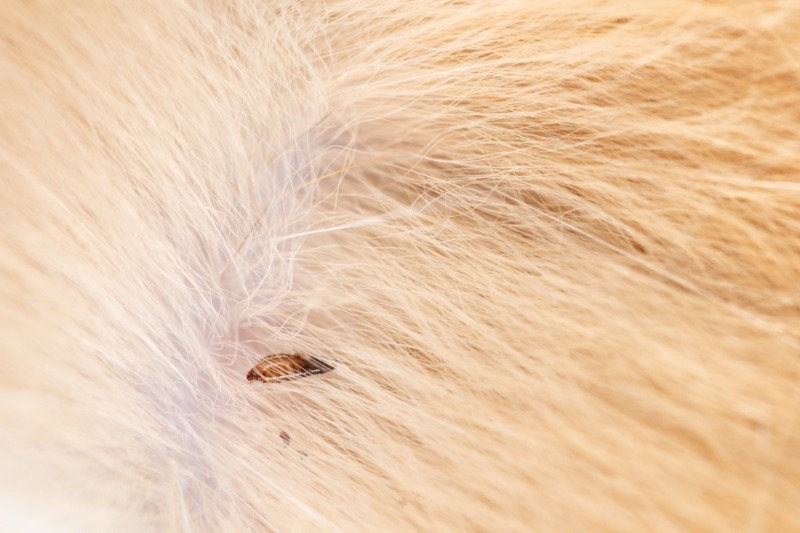
Cat Flea Quick Facts
Size
Approximately 1/16 to 1/8 inch long
Color
Reddish-brown to nearly black
How to Identify
Tiny, wingless, flattened body with powerful hind legs that allow it to jump
Active Season
Active year-round in South Florida, with populations often building faster during warm, humid weather
Indoor or Outdoor
Found both indoors and outdoors, especially on pets and in areas where animals rest or travel
Day or Night
Adults may feed whenever a host is available; newly emerged fleas often become noticeable after movement or vibration nearby.
Diet
Adult cat fleas feed on blood, usually from cats, dogs, or other mammals; larvae feed on organic debris and dried blood in the environment.
About Cat Fleas
Why DIY Cat Flea Control Falls Short
Cat flea problems can be difficult to resolve because the adults people see represent only one stage of the infestation. Eggs, larvae, and pupae may remain hidden in carpets, furniture, floor gaps, pet bedding, and protected outdoor areas. Professional service may be appropriate when bites continue, fleas appear in multiple rooms, a property has been vacant, wildlife activity is present, or coordinated treatment of the environment is needed.

Lower-Impact Options
When appropriate, Pest Busterzz may prioritize precise treatment of active development areas, monitoring, vacuuming and sanitation recommendations, and coordination with pet care to reduce unnecessary product use.
The Pest Busterzz Cat Flea Treatment Approach
Pest Busterzz focuses on identifying active flea development areas, addressing the indoor or outdoor environment, and helping customers reduce the conditions that allow the life cycle to continue.
Inspection
We confirm that the activity is consistent with fleas, evaluate where bites or sightings occur, inspect pet resting areas and floor-level harborages, and look for wildlife or outdoor conditions that may be contributing to the problem.
Targeted Treatment
Based on the inspection, treatment may include targeted applications to indoor development sites and selected shaded outdoor areas where pets or wildlife rest. The plan depends on the property, activity level, floor coverings, animal access, and findings at the time of service.
Monitoring & Follow-Up
We evaluate ongoing activity, account for newly emerging adults, and adjust the plan when additional development sites or animal sources are discovered. The timing and need for follow-up depend on the conditions found.
Prevention
Recommendations may include frequent vacuuming, laundering pet bedding, cleaning animal resting areas, limiting wildlife access, and consulting a veterinarian so every pet receives appropriate flea management at the same time.
faqs