

Caterpillars

Pest Busterzz Home Icon

Pest Library

Caterpillars
Caterpillars Quick Facts

Size

Ranges from 0.5 inches to over 3 inches long, depending on the species and growth stage.

Color

Highly variable, ranging from plain green or brown to vivid black, yellow, orange, or red markings.

How to Identify

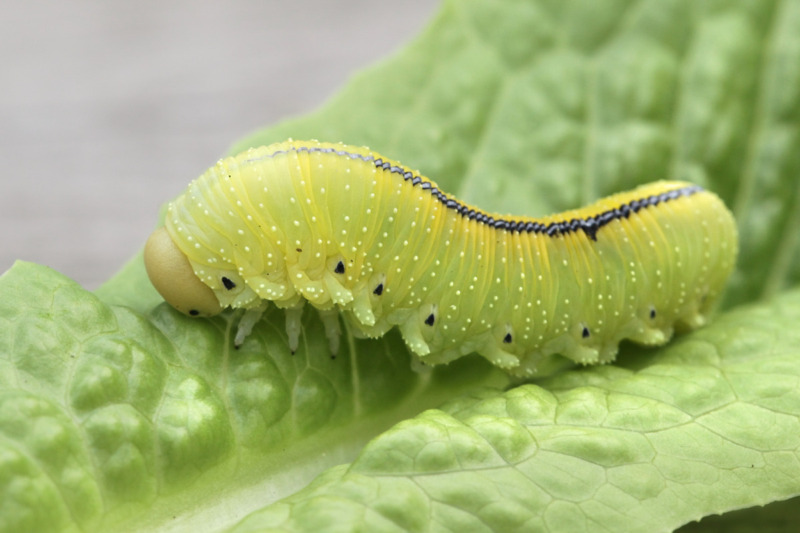
Soft cylindrical body with a distinct head capsule, three pairs of true legs, and multiple fleshy abdominal prolegs.

Active Season

Active year-round in South Florida, with noticeable population increases during warm, humid spring and summer months.

Indoor or Outdoor

Primarily found outdoors on landscape plants and lawns, though mature larvae occasionally stray onto patios or exterior walls.

Day or Night

Varies by species; lawn webworms and cutworms feed mainly at night, whereas many foliage caterpillars forage throughout the day.

Diet

Plant leaves, stems, flower buds, shoots, and turfgrass blades across residential and commercial landscapes.

About Caterpillars

Caterpillars represent the immature larval developmental stage of moths and butterflies within the insect order Lepidoptera. In South Florida, these insects are familiar inhabitants of residential gardens, parks, and commercial grounds, easily recognized by their soft, tubular bodies and chewing mouthparts.

Although mature butterflies and moths contribute to natural pollination, caterpillar larvae focus entirely on consuming vegetation to support rapid growth. Homeowners and property managers frequently notice their presence when foliage shows ragged chew marks, leaves are completely stripped, or lawn patches turn brown. While most species simply present an aesthetic nuisance to landscaping, high populations can cause significant stress to shrubs and trees, and specific contact-stinging caterpillars can present painful skin hazards to humans and pets.

Where Are Caterpillars Commonly Found?

Outdoor Feeding Areas

Caterpillars live directly on or near their designated host plants, taking shelter beneath leaves, within leaf rolls, or deep within dense plant canopies. Common outdoor habitat locations include:

  • Oleander, bougainvillea, and hibiscus hedges
  • Citrus trees and ornamental palms
  • St. Augustine and Bermuda grass turf lawns
  • Passion vines and flower flowerbeds
  • Shade trees and deciduous landscape saplings
  • Mulch layers, leaf litter, and thatch near plant bases
  • Patio furniture, fence rails, and exterior building walls during pupation migrations

Unlike structural wood pests, caterpillars do not build nests in lumber, but they often attach silk cocoons or chrysalises to fence posts, eaves, and window ledges.

Accidental Indoor Encounters

Caterpillars do not colonize or breed inside human living spaces. However, mature larvae frequently wander onto structures while seeking secure pupation sites. Common indoor entry spots include:

  • Screen enclosures and lanai framing
  • Exterior door thresholds and sliding glass tracks
  • Garage door perimeters and utility entry points
  • Window sills beneath overhanging tree branches

These stragglers are simply wandering away from outdoor host plants and can be easily swept back outside.

South Florida Conditions That Support Activity

Subtropical South Florida provides continuous environmental support for caterpillar populations year-round. Favorable conditions include:

  • Dense, lush landscape planting close to building foundations
  • Frequent landscape irrigation generating tender new plant flushes
  • Warm, humid summer microclimates within plant canopies
  • Abundant flowering shrubs providing nectar for egg-laying adult moths
  • Overhanging branches touching rooflines or patio enclosures

Caterpillar Behavior and Feeding Patterns

Feeding Habits

A caterpillar’s primary goal is feeding continually to store energy for pupation. Depending on the species, feeding mechanisms vary:

  • Foliage chewing along leaf edges, leaving notched or scalloped patterns
  • Skeletonizing leaves by consuming soft tissue while leaving leaf veins intact
  • Clipping turfgrass blades right at the soil crowns in lawns
  • Boring into buds, fruit, or succulent stem tissue

Different species target specific host plants. For instance, oleander caterpillars restrict themselves primarily to oleander bushes, whereas armyworms feed broadly across various turfgrasses and garden flora.

Movement and Shelter Behavior

While young larvae generally stay attached to their host foliage, older caterpillars exhibit distinct foraging and defensive behaviors. Some tie leaves together with silk threads to build protective hiding tubes. Lawn-dwelling webworms weave subtle silk tubes inside soil thatch to escape midday heat, emerging only after sunset to feed.

When foliage on a primary host plant is exhausted, caterpillars migrate across soil, pathways, and building walls in search of fresh food or protected pupation crevices.

Defensive Reactions

Caterpillars employ several natural defense mechanisms when threatened:

  • Dropping instantly from branches on fine silk safety threads
  • Curling tightly into compact C-shapes within soil or leaf litter
  • Thrashing violently side-to-side to deter predatory insects
  • Exposing urticating (stinging) venom-filled spines or bristles

Peak Daily Activity

Daily activity depends largely on environmental temperatures and exposure risks. Lawn-damaging caterpillars feed primarily at night or during overcast mornings to avoid direct sun and drying winds. In contrast, many brightly colored landscape caterpillars feed openly throughout the day, relying on chemical toxins absorbed from host plants to ward off birds.

Landscape Damage and Stinging Risks

Landscape and Turf Damage

Caterpillars do not damage home foundations, indoor wooden framing, or household goods. Their primary threat is aesthetic and physiological harm to landscape plants and lawns:

  • Rapid defoliation of ornamental shrubs, leaving bare branches
  • Brown, thinning patches across turfgrass that resemble drought stress
  • Stunted growth and reduced flower or fruit production
  • Secondary plant stress, increasing vulnerability to disease and climate extremes

While established plants usually recover from light feeding, repeated defoliation can kill young shrubs or leave turf vulnerable to weed infestation.

Stinging Hazards from Contact Species

Certain South Florida caterpillar species carry specialized defensive spines or hollow urticating hairs connected to venom sacs. Species like the puss caterpillar, saddleback caterpillar, and Io moth caterpillar can inflict sharp, burning pain, skin redness, localized swelling, or severe rashes upon contact. Extreme caution should be exercised when pruning foliage or working in gardens where these species nest.

Frass and Nuisance Staining

Heavy caterpillar infestations produce large volumes of dark, granular droppings (frass). Falling frass often accumulates on patio pavers, pool decks, outdoor furniture, and driveways, creating messy conditions and light surface staining beneath infested tree overhangs.

When Are Caterpillars Active in South Florida?

Due to South Florida’s warm subtropical climate, caterpillar activity occurs throughout the entire year rather than being restricted to a short summer window. However, population levels shift dramatically with local weather patterns.

Peak activity periods typically align with:

  • Early spring growth flushes when host plants produce tender young leaves
  • The humid summer rainy season (June through September)
  • Post-storm periods when warm weather and rain encourage rapid plant sprouting
  • Early autumn months before cooler evening cold fronts arrive

Heavy rain downpours and high summer humidity encourage egg laying by adult moths. During brief winter cold snaps, caterpillar feeding slows down considerably, but activity resumes promptly as warm temperatures return.

Identifying Stinging vs. Plant-Damaging Caterpillars

Understanding which caterpillars are on your property helps dictate proper handling and protection. Most local species, such as tropical sod webworms or bougainvillea caterpillars, are strictly plant pests that present no direct skin hazards. However, South Florida hosts several species equipped with venomous stinging spines.

The puss caterpillar resembles a teardrop of soft tan fur, hiding sharp, highly irritating venomous spines beneath its coat. The saddleback caterpillar is easily spotted by its bright green body and distinctive brown saddle mark. Contact with stinging species causes severe pain, swelling, and rash. If you notice spiny or bristly caterpillars on high-traffic yard plants, avoiding physical contact and seeking a professional inspection ensures safe removal without unexpected skin stings.

Why DIY Caterpillar Control Misses the mark

Managing caterpillar outbreaks independently often produces temporary or disappointing results because consumer products rarely address the full biological infestation scope. Professional inspection and management become essential when plant defoliation recurs, lawn damage expands rapidly, or stinging species threaten outdoor living spaces.

  • Misidentifying the Target Pest | Applying generic store sprays without identifying the exact caterpillar species can lead to ineffective treatments, especially if biological agents or specific contact applications are required for control.
  • Incomplete Plant Canopy Coverage | Standard homeowner spray pumps often fail to reach the undersides of dense foliage or upper tree canopies where young larvae shelter and feed out of sight.
  • Overlooking Hidden Egg Batches | Eliminating active caterpillars leaves behind unhatched egg clusters tucked beneath leaves or buried in lawn thatch, leading to a fresh wave of larvae days later.
  • Rainfall Washing Away Sprays | Frequent South Florida summer showers wash away non-resistant liquid sprays before caterpillars ingest enough material to effectively curb feeding damage.
  • Unintentional Harm to Beneficial Pollinators | Broad-spectrum retail chemicals can harm beneficial predators, honeybees, and desirable butterfly larvae when applied incorrectly across flowering garden beds.
caterpillar treatment in South Florida

Lower-Impact Options

When appropriate, Pest Busterzz prioritizes targeted biological solutions, spot foliage applications, mechanical pruning recommendations, and habitat adjustments to minimize environmental product use.

The Pest Busterzz Caterpillars Treatment Approach

Pest Busterzz focuses on accurate species identification, targeted landscape treatments, and proactive environmental adjustments to suppress active caterpillar damage and keep your property healthy.

01

Inspection

We evaluate your landscape foliage, turf grass conditions, and tree canopies to identify the active caterpillar species, detect hidden egg clusters, gauge damage severity, and locate favorable host sites.

02

Targeted Treatment

Based on inspection results, we apply customized plant-safe treatments, such as targeted foliage sprays, biological controls like Bacillus thuringiensis for leaf feeders, or localized lawn turf applications tailored to specific pest developmental stages.

03

Monitoring & Follow-Up

We evaluate foliage recovery, check lawn health, adjust management tactics as new weather patterns unfold, and address newly hatched larval cohorts before significant feeding occurs.

04

Prevention

Our team provides actionable steps including pruning overhanging limbs touching patio enclosures, adjusting lawn watering schedules, inspecting new nursery stock, and removing accumulated leaf thatch.

Rapid population surges usually follow warm weather and rain downpours, which stimulate lush plant growth. Moths lay large egg batches on host foliage, and when these eggs hatch simultaneously, hundreds of hungry larvae appear quickly.

No, caterpillars do not nest or breed indoors. When found inside, they have typically crawled through sliding doors or garage threshold gaps while searching for pupation sites or migrating away from outdoor host plants.

Most established shrubs and turfgrasses recover from single feeding cycles. However, repeated defoliation weakens plants, making them vulnerable to secondary pathogens, drought stress, and weed infestation if left untreated.

Not all hairy caterpillars sting, but many species with thick bristles or furry coats mask venomous spines that trigger intense burning, skin swelling, or rash upon contact. Avoid touching fuzzy or spiny caterpillars without protective gloves.

Caterpillar lawn damage creates expanding brown patches with visibly chewed grass blades clipped right at the base. You may also observe heavy bird foraging activity on the lawn or tiny green droppings near the thatch surface.

While caterpillars eventually enter the pupal stage, waiting out a high-density infestation can result in complete plant defoliation or turf death. Professional management controls active feeding spikes while preserving landscape investment.

Store-bought sprays often fail because they wash away during daily summer rains, miss larvae hiding in high canopies, or harm beneficial garden pollinators when applied incorrectly across broad landscape areas.

Yes. Pest Busterzz utilizes foliage-safe, targeted applications and selective biological controls designed specifically to stop chewing caterpillars without scorching delicate leaves, damaging ornamental plants, or leaving harsh residues.

Recurring activity usually happens when new egg clutches hatch, surrounding adult moths lay fresh eggs, or lush plant growth continues to attract migrating pests during South Florida’s warm growing season.

Contact Pest Busterzz as soon as you notice chewed leaves, thinning lawn patches, or stinging species on shrubs. Early evaluation prevents widespread foliage loss and preserves landscape health.

Pest Busterzz Home Icon

faqs

Caterpillar FAQs