

Pest Library
Cicada Killer Wasp Control in South Florida
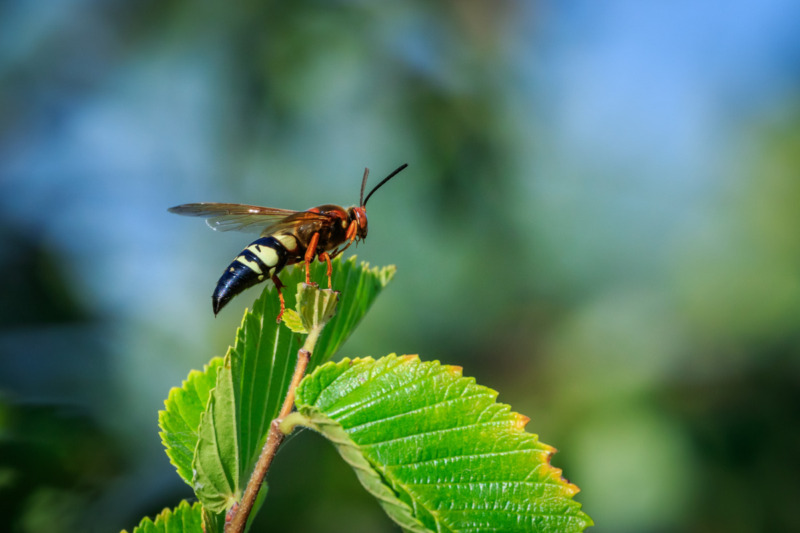
Cicada Killer Wasp Quick Facts
Size
Approximately 1 to 1½ inches long
Color
Usually black or reddish-brown with yellow markings and amber-brown wings
How to Identify
Very large wasp seen flying low over the ground or entering a round soil burrow
Active Season
Most noticeable during South Florida’s warm summer months
Indoor or Outdoor
Primarily outdoors in sunny areas with exposed, well-drained soil
Day or Night
Active during daylight, especially in warm, sunny weather
Diet
Adults feed on nectar and plant fluids; females capture cicadas for their developing larvae.
About Cicada Killer Wasps
Why DIY Cicada Killer Wasp Control Can Fail
DIY efforts may reduce visible cicada killer activity without addressing all active burrows or the soil conditions attracting new females. Professional service may be the more practical next step when numerous nests appear, activity returns seasonally, burrows are close to high-use areas, or the insect cannot be confidently distinguished from a more defensive wasp.

Lower-Impact Options
When appropriate, we may emphasize precise treatment placement, monitoring, turf improvement, mulching, and other habitat changes to reduce unnecessary product use.
The Pest Busterzz Approach to Cicada Killer Wasp Treatment
Pest Busterzz begins with proper identification, evaluates the active nesting area, and recommends a plan based on the burrow locations, level of activity, and surrounding property conditions.
Inspection
We confirm whether the insects are cicada killers or another type of wasp, locate active burrow entrances, estimate the nesting area, observe flight behavior, and inspect nearby lawns, sandy patches, landscape beds, walkways, and gathering areas.
Targeted Treatment
Based on the inspection, the plan may include localized nest treatment, exterior management, and habitat modifications that make the soil less attractive for future nesting. The appropriate methods depend on nest location, activity level, and property use.
Monitoring & Follow-Up
We check for continuing flight activity, newly opened burrows, and changes in the nesting area. Follow-up needs depend on the number of nests, soil conditions, seasonal activity, and the results of the initial service.
Prevention
Recommendations may include improving thin turf, covering bare soil with appropriate mulch, correcting landscape conditions that leave dry open patches, and monitoring sunny areas where burrows have appeared before.
faqs