

Dog Fleas

Pest Busterzz Home Icon

Pest Library

Dog Flea Control in South Florida
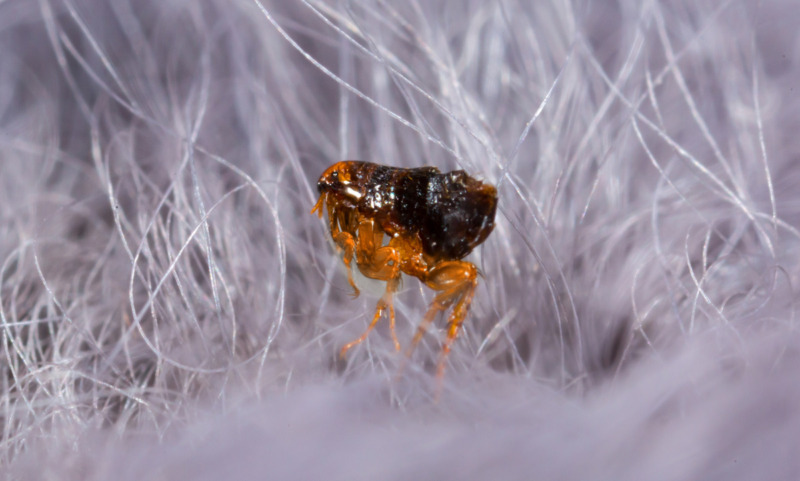
Dog Flea Quick Facts

Size

About 1/16 to 1/8 inch long as an adult

Color

Reddish-brown to dark brown

How to Identify

A tiny, wingless, laterally flattened insect with long hind legs built for jumping

Active Season

Active year-round in South Florida, with faster development during warm, humid conditions

Indoor or Outdoor

Found both on animal hosts and in indoor or outdoor areas where pets rest, sleep, or spend time

Day or Night

Adults feed whenever a suitable host is present; newly emerged fleas may become noticeable after movement, warmth, or vibration triggers them to leave cocoons.

Diet

Adults feed on blood from dogs and other warm-blooded hosts; larvae feed on flea dirt and organic debris in the environment.

About Dog Fleas

Dog fleas, scientifically known as Ctenocephalides canis, are small, wingless parasites that feed on the blood of dogs and may also bite cats, people, and other mammals. They are recognized by their flattened bodies and powerful hind legs, which allow them to move quickly through fur and jump between hosts or nearby surfaces.

In South Florida, warm temperatures and humidity can support flea development throughout the year. However, not every flea found on a dog is a true dog flea; cat fleas are frequently found on dogs and can look very similar. Proper identification and coordinated attention to the pet and its environment are important because most immature flea stages develop away from the animal.

Where Are Dog Fleas Commonly Found?

On Animal Hosts

Adult dog fleas spend much of their time on a warm-blooded host, especially a dog. They move through the coat and commonly concentrate around protected areas where the animal has difficulty grooming, including the neck, lower back, belly, groin, and base of the tail.

Indoor Development Areas

Eggs laid on a pet can fall into the surrounding environment. Larvae and pupae may then develop in sheltered areas such as:

  • Pet beds, blankets, and crates
  • Carpets, rugs, and upholstered furniture
  • Floor cracks, baseboard edges, and gaps beneath furniture
  • Closets, bedrooms, and rooms where pets rest
  • Vehicles used to transport infested animals

Outdoor Flea Hot Spots

Outdoor development is most likely in shaded, protected locations where pets or wildlife spend time. Common examples include dog runs, kennels, porches, crawl spaces, areas beneath decks, shaded soil, and resting spots near shrubs. Bright, exposed lawn areas are generally less favorable than humid, sheltered sites containing organic debris.

Dog Flea Behavior and Life Cycle

Feeding and Host-Seeking

Adult fleas locate hosts by responding to movement, vibration, warmth, and exhaled carbon dioxide. After reaching a host, they feed on blood. Adults may jump onto people when an animal host is unavailable, but they do not normally remain on humans as their preferred long-term host.

Four Life Stages

Dog fleas develop through egg, larva, pupa, and adult stages. Eggs can drop from the pet into bedding, carpeting, furniture, or outdoor resting areas. The wormlike larvae avoid light and feed on organic material, including dried blood passed by adult fleas. Mature larvae spin protective cocoons before becoming adults.

Why Fleas Can Seem to Appear Suddenly

The pupal cocoon can protect a developing flea for an extended period. Movement, body heat, and other signs of a nearby host may trigger adults to emerge. This is why flea activity may become noticeable after a family returns from a trip, a vacant property is occupied, or furniture and carpeting are disturbed.

How Infestations Spread

Fleas may be introduced by an untreated pet, a visiting animal, wildlife, a stray animal, pet bedding, or a previous infestation that left immature stages behind. Because eggs and developing fleas are distributed through the environment, treating only the animal may not address the full problem.

Dog Flea Bites and Other Concerns

Pet Discomfort

Flea feeding can cause itching, scratching, restlessness, and skin irritation in dogs. Some pets are especially sensitive to flea saliva and may develop more pronounced skin problems. Heavy infestations can be more concerning for puppies, older animals, or pets with existing health conditions, so veterinary guidance is appropriate when a pet appears ill or has significant skin irritation.

Bites on People

Dog fleas can bite people, particularly around the ankles and lower legs. Bites often appear as small, itchy red bumps, but reactions vary. Fleas usually prefer animal hosts, and human bites may become more noticeable when pets are absent or when newly emerged adults are searching for a blood meal.

Parasite Concerns

Dog and cat fleas can serve as intermediate hosts for the dog and cat tapeworm, Dipylidium caninum. Pets become infected by swallowing an infected flea while grooming. This does not mean every flea carries a parasite, but ongoing flea activity should be discussed with a veterinarian as part of the pet’s overall care.

Fleas do not damage buildings or furnishings by feeding on them. The primary concerns are bites, pet discomfort, and the persistence of eggs, larvae, and pupae in areas where animals spend time.

When Are Dog Fleas Active in South Florida?

South Florida’s mild winters and humid conditions can allow flea activity to continue throughout the year. Development is generally faster when temperatures are warm and moisture levels are favorable, so infestations may build quickly in pet bedding, carpeting, shaded yards, kennels, and other protected areas.

Activity may become especially noticeable during:

  • Warm, humid weather
  • Periods when pets spend more time outdoors
  • Increased contact with stray animals or wildlife
  • Moves into previously vacant homes or apartments
  • Return from travel, when dormant pupae respond to movement
  • Rainy periods that keep shaded outdoor resting sites humid
  • Indoor heating or air-conditioning conditions that support development

Cooler or drier weather may slow development without eliminating an established infestation. Fleas protected indoors or inside pupal cocoons can remain present until conditions and host activity favor emergence.

Why Flea Dirt Is an Important Warning Sign

Flea dirt is digested blood passed by feeding adult fleas. It may look like fine black pepper in a pet’s coat, bedding, crate, or favorite resting area. One simple identification clue is that the dark material may produce a reddish-brown stain when placed on a damp white paper towel. Flea dirt helps confirm that fleas have been feeding, but its absence does not rule out an infestation. Eggs are pale and difficult to see, larvae hide from light, and pupae are concealed inside debris-covered cocoons. When bites or jumping insects continue despite limited visible evidence, an inspection should focus on the places where pets sleep, rest, and travel rather than only on the pet itself.

How DIY Dog Flea Control Might Fall Short

Flea control can be challenging because the adults seen on a pet or jumping from a carpet represent only one stage of the infestation. Eggs, larvae, and pupae may be spread through multiple rooms or sheltered outdoor areas. Professional service may be appropriate when fleas keep returning, several pets or units are affected, the source is uncertain, or environmental treatment needs to be coordinated with veterinary care.

  • Treating Only Adult Fleas | Removing or killing the fleas currently visible on a pet does not eliminate eggs, larvae, or pupae developing in bedding, carpet, furniture, floor gaps, or outdoor resting areas.
  • Missing the Pupal Stage | Flea pupae are protected inside cocoons and may not respond to the same measures used against exposed adults or larvae. New adults can continue emerging after the first cleanup or treatment.
  • Focusing on Only One Room | Flea eggs fall wherever an infested animal travels. Treating a single pet bed or carpeted room may miss furniture, vehicles, crates, baseboards, and other locations used by the pet.
  • Ignoring Outdoor Resting Areas | Shaded kennels, porches, crawl spaces, areas beneath decks, and wildlife resting sites may support flea development and reintroduce activity near the building.
  • Skipping Pet Care Coordination | Environmental service cannot replace veterinary treatment for an infested pet. All pets in the household may need to be evaluated so the animal and property are addressed on the same timeline.
  • Stopping Too Soon | Fleas may continue emerging from cocoons after initial treatment. Continued vacuuming, laundering, monitoring, and any recommended follow-up are often needed to interrupt the life cycle.
dog flea treatment in South Florida

Lower-Impact Options

When appropriate, Pest Busterzz may prioritize inspection, monitoring, sanitation guidance, precise treatment of flea development areas, and focused exterior management rather than unnecessary broad applications.

The Pest Busterzz Dog Flea Treatment Approach

Pest Busterzz develops a property-specific plan based on where fleas are active, where pets spend time, and which environmental conditions are supporting their life cycle.

01

Inspection

We inspect pet resting areas, carpeting, furniture edges, baseboards, floor gaps, kennels, shaded outdoor spaces, and other locations where eggs, larvae, pupae, or newly emerged adults may be present. We also consider whether wildlife or visiting animals may be contributing to activity.

02

Targeted Treatment

Based on inspection findings, service may include targeted treatment of indoor development sites, focused exterior management in shaded animal-use areas, and sanitation or habitat recommendations. Pet treatment should be selected with a veterinarian and coordinated with environmental control.

03

Monitoring & Follow-Up

We evaluate ongoing adult emergence, review activity in previously affected rooms or outdoor areas, and adjust the plan when newly identified flea hot spots or host sources are found. The need and timing for follow-up depend on infestation level and site conditions.

04

Prevention

Recommendations may include frequent vacuuming, laundering pet bedding, cleaning crates and resting areas, reducing access by stray animals or wildlife, maintaining outdoor pet areas, and working with a veterinarian on year-round flea prevention for every pet.

Yes. South Florida’s warmth and humidity can support flea activity during every season. Populations often develop faster during warm, humid periods, but indoor infestations can continue through cooler or drier weather when pets provide dependable hosts and immature stages remain protected in carpets, bedding, furniture, or floor gaps.

Look for frequent scratching, biting at the coat, restlessness, tiny fast-moving insects, or dark specks known as flea dirt. Fleas often gather around the neck, belly, lower back, groin, and base of the tail. A veterinarian can help confirm the cause because mites, allergies, and skin conditions may produce similar symptoms.

Yes, dog fleas and cat fleas are separate species, but they look very similar without magnification. Despite their names, cat fleas are commonly found on dogs. Accurate species identification may require an experienced professional or laboratory-level examination, although the property-management principles are often similar.

Most of the flea population may be developing away from the pet. Eggs, larvae, and pupae can remain in bedding, carpeting, furniture, floor cracks, vehicles, or outdoor resting areas. Newly emerged adults may continue appearing until environmental stages are addressed and the life cycle is interrupted.

Adult fleas need blood meals, but immature stages can remain in the environment after a pet leaves. Pupae inside protective cocoons may wait for movement, warmth, and vibration before adults emerge. Fleas may also feed on cats, wildlife, or people temporarily, depending on host availability.

They can. Flea bites often occur around the ankles or lower legs and may cause small, itchy red bumps. Reactions vary by person. Fleas generally prefer animal hosts, so human bites may become more noticeable when an infested pet is absent or when newly emerged adults are searching for a host.

Flea bites commonly cause itching and irritation, and sensitive animals may develop more serious skin reactions. Fleas can also serve as intermediate hosts for the dog and cat tapeworm. Contact a veterinarian when a pet has persistent scratching, hair loss, skin sores, weakness, or other concerning symptoms.

Consider professional service when fleas persist after pet care and cleaning, activity affects multiple rooms or units, the source is unclear, wildlife may be involved, or repeated adult emergence continues. A property inspection can identify development areas and help coordinate environmental control with veterinary recommendations.

Pest Busterzz Home Icon

faqs

Dog Flea FAQs

Schedule a Dog Flea Inspection in South Florida

Recurring flea activity can involve far more than the adults visible on a pet. Pest Busterzz can inspect your South Florida home or business, confirm where activity is developing, and recommend a treatment plan based on the property, host activity, and environmental findings. We also help identify sanitation and habitat conditions that may allow fleas to return.