
Drywood vs. Subterranean Termites: What Is the Difference?
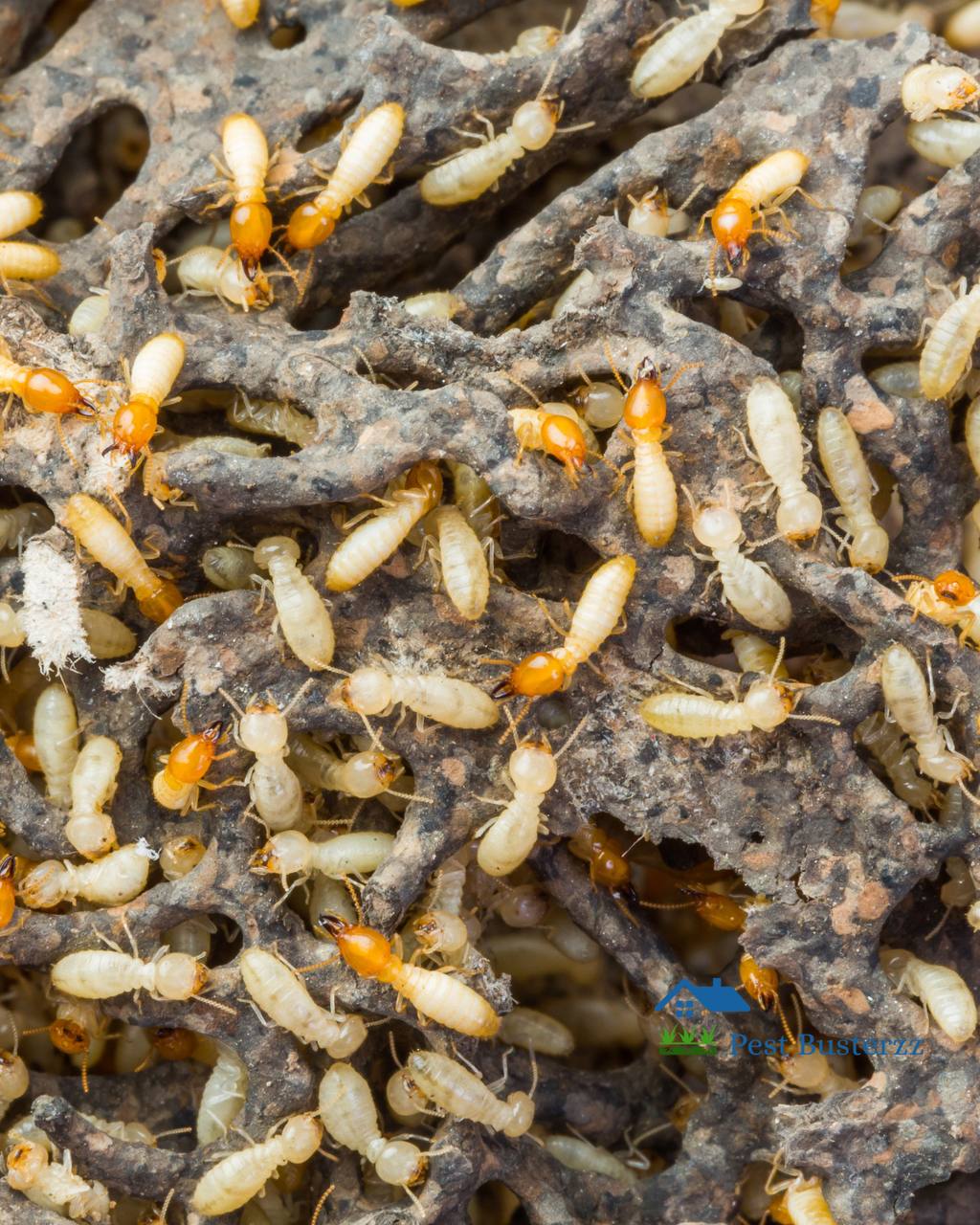
If you find a small pile of pellets near trim, a narrow mud tube along a foundation, or winged insects around a window, the most useful question is not “Which treatment should I buy?” It is “What kind of evidence is this, and what still needs to be checked?”
Drywood and subterranean termites differ mainly in where they live and how they reach wood. Drywood termites can live inside dry, sound wood without a soil connection. Subterranean termites are associated with soil and commonly use protected pathways, such as mud tubes, to reach wood above ground. Those differences can help organize an inspection, but a single clue does not establish the species, activity level, or treatment path.
The short answer: wood-based activity versus soil-connected activity
Drywood termites spend their colony life in wood. A homeowner may notice small, hard pellets below tiny openings, damaged wood, or swarmers and shed wings near a window or light. The evidence may be localized to a piece of trim, a door or window frame, furniture, or another wood component.
Subterranean termites usually depend on contact with soil or another protected route between soil and wood. Mud tubes along a foundation, wall, slab edge, garage threshold, or other structural path can be an important clue. Moisture, landscaping, wood-to-ground contact, and concealed foundation edges can also affect how easy the area is to inspect.
The practical distinction is useful, but it is not a homeowner diagnosis. Ants, water damage, rot, carpenter ants, construction debris, and other conditions can resemble termite evidence. The property and the location of the evidence still matter.
Drywood and subterranean termites at a glance
|
Question |
Drywood termite concern |
Subterranean termite concern |
|---|---|---|
|
Where may activity be centered? |
Inside a piece or section of wood |
Soil, foundation edges, or protected routes to wood |
|
What might a homeowner notice? |
Hard pellets near small openings, damaged wood, wings, or swarmers |
Mud tubes, wings, damaged wood, or activity near soil and moisture conditions |
|
Does the clue identify the species? |
No. Pellets and wood changes need context. |
No. A mud tube is important evidence, but it does not explain the full extent by itself. |
|
What should an inspection consider? |
Which wood is affected, how accessible it is, and whether evidence is localized |
Soil and wood connections, moisture, concealed edges, and pathways into the structure |
Where may activity be centered?
Drywood termite concern
Inside a piece or section of wood
Subterranean termite concern
Soil, foundation edges, or protected routes to wood
What might a homeowner notice?
Drywood termite concern
Hard pellets near small openings, damaged wood, wings, or swarmers
Subterranean termite concern
Mud tubes, wings, damaged wood, or activity near soil and moisture conditions
Does the clue identify the species?
Drywood termite concern
No. Pellets and wood changes need context.
Subterranean termite concern
No. A mud tube is important evidence, but it does not explain the full extent by itself.
What should an inspection consider?
Drywood termite concern
Which wood is affected, how accessible it is, and whether evidence is localized
Subterranean termite concern
Soil and wood connections, moisture, concealed edges, and pathways into the structure
1. Where the activity starts changes the inspection question
For drywood concerns, the first question is often, “Which wood is showing evidence, and can the surrounding area be inspected?” Pellets may collect below a piece of wood after termites push them through small kick holes. The material can look like sand or fine grit, so it is easy to sweep away without documenting where it came from.
For subterranean concerns, the first question is often, “How could termites travel from soil or a damp protected area to the wood?” A mud tube may cross a foundation, wall, slab edge, or threshold. It can be visible in one place even when other portions of the route are hidden by mulch, siding, stored items, or landscaping.
These are starting points, not conclusions. A drywood-like pellet pile does not reveal the size or age of an infestation. A mud tube does not reveal whether the activity is current, how far it extends, or which treatment method would be appropriate.
2. The clues homeowners most often compare
Pellets and small openings
Pellets near a wood surface can be a drywood clue, especially when they are associated with tiny openings in the wood. Do not assume every grain-like pile is termite material. Sawdust, construction debris, and other particles can look similar. Photograph the material in place, include the nearby wood in the frame, and note the room or exterior location before cleaning it.
Mud tubes
Subterranean termites may build mud tubes to travel above ground while staying protected from drying out. A tube along a foundation or wall deserves attention, but it is not a complete report on the property. Photograph its route and note whether it connects to soil, mulch, a slab edge, a door threshold, or exposed wood.
Wings and winged insects
Both termite groups can be associated with winged adults during swarming. Shed wings around windows, doors, lights, or other openings may be worth documenting. Winged ants can look similar, so a quick photo or a single insect should not be treated as a species identification.
Wood that looks or sounds different
Hollow-sounding, blistered, altered, or damaged wood can have many causes. Lightly note what changed and where it changed, but do not probe, open, or remove building material just to confirm a theory. Water leaks, rot, carpenter ants, normal wear, and repairs can create similar signs.
3. Moisture and access conditions matter for both comparisons
Moisture is not proof of subterranean termites, and dry wood is not proof of drywood termites. Moisture and access conditions matter because they can affect how pests move, where evidence is hidden, and whether an inspector can see the relevant wood or foundation edge.
Before an inspection, look for conditions that are safe and obvious to document:
- Gutters or downspouts that release water beside the structure
- Air-conditioning drainage or irrigation that wets walls or thresholds
- Leaks under sinks, around plumbing, near the roof, or around doors and windows
- Soil, mulch, plants, or stored items hiding the lower wall or foundation edge
- Firewood, lumber, branches, or wood debris beside the home
- Wood that touches soil or stays damp after rain
Correcting a visible maintenance issue may be worthwhile, but it does not prove that termites are absent. Avoid covering, scraping, painting, or repairing evidence before photographing it if you may request an inspection.
4. What the evidence cannot tell you by itself
A pellet, wing, mud tube, or damaged board is a reason to ask better questions. It is not enough to determine:
- Whether the activity is active or old
- Whether the concern is drywood, subterranean, ants, rot, or another condition
- How much of the structure is affected
- Whether hidden areas remain uninspected
- Which treatment or monitoring approach fits the property
- What outcome or follow-up should be expected
That is why a photo-based remedy or a general online checklist can be misleading. The same-looking clue can require a different response depending on its location, surrounding moisture, construction, access, and history.
5. Questions to ask before choosing an inspection or treatment path
If you contact a pest professional, bring the location and timing of what you observed. These questions can keep the conversation focused on evidence rather than a premature product or method:
- What evidence did you observe, and what alternative explanations did you consider?
- Does the evidence point toward drywood termites, subterranean termites, another pest, or a building-maintenance issue?
- Which parts of the structure were accessible, and which areas could not be checked?
- Were moisture, soil-to-wood contact, landscaping, stored wood, or concealed foundation edges relevant to the findings?
- If a treatment or monitoring plan is proposed, why does it fit this property and this evidence?
- What should be documented or checked again, and what remains uncertain?
The goal is a clear inspection record and an explanation of the next step. A confident answer should be based on the property and evidence, not just the name of a pest in a headline.
When should a Broward homeowner request a termite inspection?
Consider requesting an inspection when you find repeated shed wings, a swarm indoors, drywood-like pellets, a new or unexplained mud tube, or wood changes that continue without an obvious repair explanation. It is also reasonable to ask for help when landscaping, moisture, stored wood, or limited access makes part of the structure difficult to evaluate.
Pest Busterzz’s termite control service names drywood and subterranean termite concerns and describes inspection, treatment, and prevention/monitoring language. The actual path should be selected after the property and evidence are assessed.
For local context, see the Broward and South Florida service areas. To discuss what you found, contact Pest Busterzz to request an inspection and include where the evidence appeared, when you noticed it, and whether it was indoors or outdoors.
If you want a separate checklist of warning signs, read What Are the First Signs of Termites in a Broward County Home? That article focuses on what to look for; this comparison explains how drywood and subterranean clues lead to different inspection questions.
Frequently asked questions
Are termite pellets the same as sawdust?
Not necessarily. Drywood termite pellets can look like sand or fine grit, while sawdust and construction debris can look similar. Save a photo and the location instead of treating the appearance alone as a diagnosis.
Does a mud tube prove that subterranean termites are active?
A mud tube is an important clue associated with subterranean termite activity, but it does not by itself establish current activity, colony size, or the full route into a structure. Photograph it and have the surrounding area assessed.
Can one winged insect identify the termite type?
No. Winged ants and termites can be confused, and one insect may not show enough detail for identification. The insect’s location, any shed wings, nearby wood, and other evidence provide useful context.
Are drywood termites only found in older homes?
No. The age of a home alone does not identify the termite type or rule out activity. Construction, wood components, access, repairs, and the evidence found at the property all matter.
Should I treat a suspected termite area before an inspection?
Avoid choosing a product or treatment based only on a photo, pellet, wing, or tube. Document the evidence, correct obvious moisture issues when appropriate, and request an inspection so the next step is based on the property.
What is the safest way to compare drywood and subterranean concerns?
Compare where the evidence is located, what conditions surround it, and what an inspection can actually confirm. Neither label should be used to promise a treatment method, price, timing, or outcome before the property is assessed.