

House Mice

Pest Busterzz Home Icon

Pest Library

House Mice
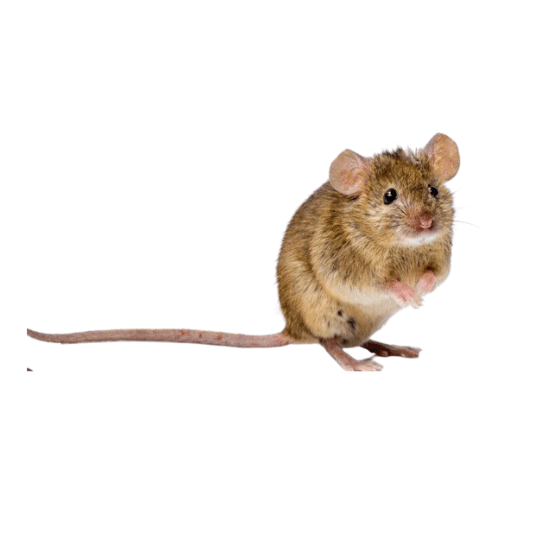
House Mice Quick Facts

Size

Adults are usually about 5 1/2 to 7 1/2 inches long, including the tail

Color

Dusty gray to brown fur with a lighter belly

How to Identify

Small body, large ears, pointed snout, nearly hairless tail, and rice-sized droppings with pointed ends

Active Season

Active year-round in South Florida; indoor sightings may increase after storms, flooding, or outdoor disturbance

Indoor or Outdoor

Found both outdoors and indoors, but commonly nests inside buildings near food, warmth, and protected voids

Day or Night

Mostly active at night, though daytime sightings can occur when mice are disturbed or activity is heavy.

Diet

Omnivorous; commonly eats grains, seeds, cereals, pet food, crumbs, and other accessible human foods.

About House Mice

House mice (Mus musculus) are small rodents that live closely with people and can remain active indoors throughout the year. They are commonly recognized by their pointed snout, large ears, gray-brown fur, long nearly hairless tail, and small dark droppings shaped somewhat like grains of rice.

South Florida homes and businesses can provide mice with dependable food, water, nesting material, and sheltered spaces. Even a small opening around a door, pipe, roofline, or utility penetration may provide access. Property owners are often concerned because mice can contaminate stored food, leave urine and droppings, damage packaging and materials through gnawing, and establish hidden nests that allow activity to continue.

Where Do House Mice Live and Nest?

Outdoor Shelter and Entry Areas

House mice can live outdoors around buildings and then move inside when they find accessible openings and reliable resources. Common outdoor shelter and approach areas include:

  • Dense groundcover, weeds, and overgrown vegetation
  • Spaces beneath sheds, decks, and outdoor equipment
  • Pet-feeding areas and spilled birdseed, stored materials, and landscape debris
  • Garbage and recycling storage areas
  • Pet-feeding areas and spilled birdseed
  • Garages, carports, and exterior storage rooms
  • Gaps beneath doors and around foundations
  • Openings around pipes, wiring, vents, and air-conditioning lines

Mice may follow walls, fences, utility lines, and landscaping edges as they approach a structure. Because they can squeeze through openings approximately 1/4 inch wide, small construction gaps can be enough for entry.

Indoor Nesting and Hiding Places

Inside, house mice prefer dark, protected locations near food and nesting material. Common locations include:

  • Wall and ceiling voids
  • Behind refrigerators, stoves, and other appliances
  • Attics, soffits, and roof voids
  • Cabinets and voids around plumbing penetrations
  • Closets, storage rooms, and stacked boxes
  • Insulation and stored fabrics used for nesting
  • Garages, utility rooms, and seldom-disturbed corners
  • Commercial kitchens, stockrooms, warehouses, and break rooms

Nests are often made from shredded paper, fabric, insulation, cardboard, or other soft material. Fresh droppings, gnaw marks, nesting debris, scratching sounds, or a persistent musky odor can help identify active areas.

South Florida Conditions That Support Mouse Activity

South Florida’s mild winters allow house mice to remain active throughout the year. Activity is more likely to persist when a property provides easy access, concealed nesting space, and dependable food. Contributing conditions may include:

  • Exterior doors without tight-fitting sweeps
  • Unsealed gaps around utility and plumbing lines
  • Damaged vents, screens, soffits, or roofline components
  • Cluttered garages, attics, stockrooms, or storage closets
  • Pet food, birdseed, or dry goods stored in chewable packaging
  • Food residue beneath appliances and shelving
  • Open trash containers or spilled waste
  • Dense vegetation and debris close to the foundation
  • Storm, flood, renovation, or landscaping activity that disturbs outdoor shelter

House Mouse Behavior and Attractants

Feeding and Foraging Habits

House mice are opportunistic nibblers that make repeated feeding visits rather than consuming one large meal. They may seek:

  • Cereal, rice, flour, pasta, and other grain products
  • Seeds, nuts, birdseed, and animal feed
  • Dry pet food and pet treats
  • Crumbs, snack foods, and cooking residue
  • Food stored in paper, cardboard, or thin plastic packaging

They can survive on small amounts of food and often obtain much of their moisture from what they eat. This means excellent sanitation helps reduce activity but may not eliminate mice already nesting inside a structure.

Nesting and Reproduction

House mice usually nest in secluded spaces close to food and warmth. A nest may be tucked behind an appliance, inside a cabinet void, within insulation, above a ceiling, or among stored materials. They commonly travel along walls and edges, where their bodies remain close to a surface.

House mice reproduce quickly under favorable indoor conditions. A hidden population can grow before occupants see a live mouse, so droppings, gnawed packages, tracks, odors, and nesting material are often more useful than sightings alone when evaluating the extent of activity.

Movement and Entry Behavior

Mice are agile climbers and can use rough walls, pipes, cables, shelving, and stored items to move through a building. Recurring activity may be supported by:

  • Gaps larger than approximately 1/4 inch
  • Worn door sweeps and garage-door seals
  • Openings around pipes, conduits, and vents
  • Accessible wall, ceiling, and cabinet voids
  • Clutter that provides concealed travel routes
  • Food and nesting material stored near walls
  • Branches, vines, fences, or utility lines that connect to the structure
  • Unrepaired damage that mice can enlarge by gnawing

Closing entry points with durable, mouse-resistant materials is an important part of long-term management, but exclusion should be coordinated with removal of mice already inside.

Daily and Seasonal Activity

House mice are primarily active after dark, when buildings are quieter. They may make many short trips between a nest and nearby food. Daytime sightings can occur when a mouse is disturbed, when resources are limited, or when several mice are competing for space.

Unlike mice in colder climates, South Florida house mice do not need a single winter migration period to become indoor pests. Heavy rain, tropical weather, flooding, cleanup work, construction, and changes to nearby landscaping can still displace rodents and make indoor activity suddenly more noticeable.

House Mouse Damage and Concerns

Gnawing and Property Damage

House mice have continuously growing front teeth and gnaw to investigate openings and keep those teeth worn. They may damage food packages, cardboard, stored belongings, insulation, flexible tubing, and other materials.

Evidence that may point to an active mouse problem includes:

  • Chewed food packaging or stored goods
  • Gnaw marks on wood, plastic, or wiring coverings
  • Shredded paper, fabric, or insulation used for nests
  • Small dark droppings along walls, shelves, and cabinets
  • Greasy rub marks along repeated travel routes
  • Scratching or movement sounds after dark

Chewed electrical wiring can create a safety concern, although not every infestation causes wiring damage. An inspection can help determine where activity is concentrated and whether repair by an appropriate trade professional should be considered.

Food and Surface Contamination

House mice may contaminate food, shelves, utensils, and storage areas with urine, droppings, hair, and nesting debris. Food in packages that have been chewed or entered should be discarded. In restaurants, warehouses, offices, multifamily properties, and other commercial settings, recurring mouse evidence may also create sanitation, inspection, and reputation concerns.

Health and Cleanup Considerations

Wild rodents can carry germs, and exposure can occur through contact with urine, droppings, saliva, nesting material, contaminated food, or parasites associated with rodents. This does not mean every mouse carries a disease, but mouse evidence should be handled carefully.

Dry sweeping or vacuuming rodent droppings can stir contaminated particles into the air. For small amounts, follow current CDC guidance for ventilation, wetting with an appropriate disinfectant, glove use, and disposal. Heavy infestations, contaminated insulation, inaccessible voids, or HVAC involvement are better evaluated by qualified professionals.

When Are House Mice Active in South Florida?

House mice can breed and remain active indoors throughout the year in South Florida. A heated winter shelter is not their only reason for entering; food, water, nesting material, and protected voids can support an infestation in any month.

Mouse evidence may become more noticeable during:

  • Heavy rain and tropical weather
  • Flooding or saturated outdoor shelter areas
  • Hurricane preparation and post-storm cleanup
  • Construction, remodeling, or building repairs
  • Landscaping changes and vegetation removal
  • Changes in food storage or sanitation conditions
  • Cool fronts that encourage movement toward protected indoor spaces

Storms and flooding can disturb outdoor nesting sites and push rodents toward garages, sheds, attics, commercial stockrooms, and occupied buildings. Open doors during cleanup and newly exposed construction gaps may also provide access.

Indoor activity may continue even when sightings decline. Mice frequently remain concealed during the day and travel within walls, cabinets, and storage areas, so monitoring droppings, gnawing, tracks, and trap activity is important when judging whether the problem has ended.

How to Recognize an Active House Mouse Infestation

A live sighting is only one sign of house mice. Look for fresh, dark droppings shaped like small grains of rice; gnawed corners on food packages; shredded nesting material; scratching after dark; tracks in dusty areas; and a musky odor in enclosed cabinets or closets. Droppings concentrated behind appliances, along walls, inside drawers, or near stored food can help reveal travel routes. Because rat droppings and entry requirements differ, accurate identification matters before a control plan is selected.

Why DIY House Mouse Control May Fall Short

Do-it-yourself trapping may resolve a limited problem, but recurring droppings, inaccessible nesting areas, repeated food damage, or uncertainty about whether the pest is a mouse or rat make a professional inspection a practical next step.

  • Relying on One or Two Traps | A few traps may miss established travel routes, hidden nests, or multiple mice using different parts of the structure.
  • Missing Entry Points | Mice can use openings approximately 1/4 inch wide. Gaps around doors, pipes, vents, rooflines, and utility penetrations can allow new mice to replace those removed.
  • Placing Traps Away from Travel Routes | Mice usually move beside walls and objects. Poor placement, insufficient trap numbers, or competing food can reduce results.
  • Overlooking Hidden Nests | Removing a mouse seen in a kitchen does not address nesting material or activity behind appliances, in cabinets, attics, insulation, wall voids, or storage areas.
  • Leaving Food and Shelter Available | Accessible dry goods, pet food, waste, spills, and clutter can support activity even when traps are present.
  • Using Products Without a Coordinated Plan | Rodent control products must match the site and be used according to their labels. Poor placement can create risks for children, pets, wildlife, or inaccessible carcasses.
house mouse treatment in South Florida

Lower-Impact Options

When appropriate, Pest Busterzz may prioritize inspection, trapping, exclusion, monitoring, sanitation recommendations, and precise placement of secured control tools to reduce unnecessary product use.

The Pest Busterzz House Mice Treatment Approach

Pest Busterzz builds the mouse-control plan around the species, activity level, building conditions, occupant needs, and evidence found during inspection.

01

Inspection

We confirm whether the activity involves house mice or another rodent, evaluate droppings and gnawing, inspect likely travel routes, locate nesting areas, and check doors, foundations, rooflines, vents, pipes, and utility openings for access points.

02

Targeted Treatment

Based on inspection findings, the plan may include appropriately placed trapping, secured baiting where suitable, removal recommendations, exclusion, sanitation guidance, and habitat modification. The selected methods depend on the property, activity level, occupants, pets, and locations involved.

03

Monitoring & Follow-Up

We review trap or monitoring results, look for fresh droppings and gnawing, adjust placement when necessary, and address newly discovered travel routes, nests, or entry points. Follow-up timing depends on the extent of activity and site conditions.

04

Prevention

Recommendations may include sealing mouse-sized openings with durable materials, installing door sweeps, repairing damaged screens and vents, storing food and pet supplies in sturdy sealed containers, cleaning spills, managing waste, and reducing clutter near walls and storage areas.

Yes. House mice occur throughout Florida and can live in homes, apartments, restaurants, warehouses, offices, and other structures. South Florida’s mild climate allows outdoor and indoor activity throughout the year, while dependable food and shelter can support indoor breeding in any season.

House mice are smaller, with a pointed snout, relatively large ears, a slender tail about as long as the head and body, and small pointed droppings. Young rats can be confused with mice, so the animal’s proportions, droppings, tracks, gnawing, and entry points should be considered together.

House mouse droppings are small, dark, and often pointed at one or both ends, commonly compared to grains of rice. Fresh droppings may look dark and slightly shiny, while older droppings become dull and dry. Do not sweep or vacuum them dry; follow current CDC wet-cleanup guidance.

Kitchens and pantries offer concentrated food, water, warmth, and concealed spaces behind appliances or cabinets. Mice may enter through gaps around pipes, doors, walls, or utility lines and then travel along edges to reach crumbs, dry goods, pet food, and waste.

House mice are mostly active at night and may travel through attics, ceiling voids, wall cavities, and cabinet chases. Scratching does not confirm the species by itself, but nighttime sounds combined with droppings, gnawing, or nesting debris justify an inspection.

Rodents can carry germs, and exposure may occur through contaminated food, urine, droppings, saliva, nesting material, bites, or rodent-associated parasites. Not every mouse is infected, but evidence should be cleaned carefully, and heavily contaminated or inaccessible areas may require professional assistance.

Not always, but one sighting should be taken seriously because house mice are secretive, mostly nocturnal, and capable of reproducing quickly. Fresh droppings in several locations, repeated sightings, gnawed packages, or multiple nesting areas are stronger signs that more than one mouse may be present.

Traps can resolve a small, accessible mouse problem when enough are correctly placed along active travel routes. Results may be incomplete when mice are entering through unsealed gaps, nesting in inaccessible voids, finding abundant competing food, or occupying several parts of the building.

Recurring activity usually indicates that entry openings, food sources, clutter, or hidden nesting areas remain. New mice may enter after earlier animals are removed. Long-term management combines population reduction with exclusion, sanitation, monitoring, and correction of property conditions.

Consider professional service when droppings continue to appear, mice are heard in walls or ceilings, food is repeatedly damaged, activity involves a commercial food area, the species is uncertain, contamination is extensive, or traps and exclusion attempts have not stopped the problem.

Pest Busterzz Home Icon

faqs

House Mice FAQs

Schedule a House Mouse Inspection in South Florida

If you have found droppings, gnawed packaging, nesting material, or nighttime activity in your South Florida home or business, Pest Busterzz can identify the rodent and build a treatment plan around the inspection findings. The goal is to address current activity while reducing the entry points, food sources, and shelter that may allow mice to return.

Back to Pest Library