

Pest Library
Leafminers
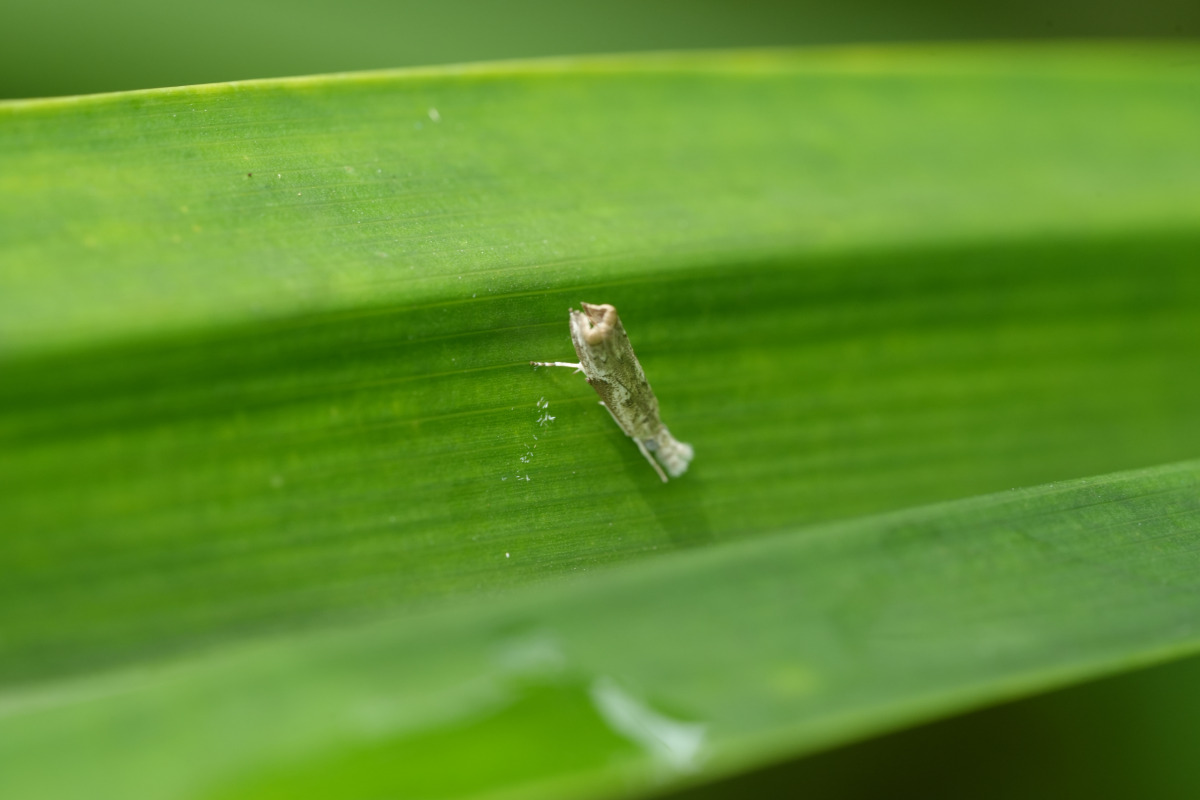
Leafminers Quick Facts
Size:
Adult flies and moths are tiny, typically 1/16 to 1/10 of an inch long, while internal larvae rarely exceed 1/8 of an inch.
Color:
Adults range from dark gray or black with yellow accents to silvery gray, whereas larvae are pale yellow to light green.
How to identify:
Distinctive winding, light-colored trails or blotchy translucent “windowpanes” carved into the tissue between leaf surfaces.
Active season:
Active year-round in South Florida, with noticeable population surges during spring and autumn plant growth flushes.
Indoor or outdoor:
Primarily an outdoor garden and landscape pest, though larvae may complete development on potted plants brought inside.
Day or night:
Adult flies and moths are active during daytime hours, while larvae continuously feed inside leaves regardless of light.
Diet:
Plant tissue; larvae consume the internal mesophyll layer of host leaves, including citrus, vegetables, and ornamentals.
About Leafminers
Why DIY Leafminer Control Falls Short
Leafminer larvae are protected inside the physical structure of the leaf, making them exceptionally resistant to standard over-the-counter pest control products. DIY treatments frequently fail for several specific biological reasons:

Lower-Impact Options
Pest Busterzz prioritizes precise root drenches, horticultural oils, selective pruning, and biological controls to minimize synthetic product use while safeguarding beneficial garden insects.
The Pest Busterzz Leafminers Treatment Approach
Pest Busterzz provides customized management strategies designed to target protected leafminer larvae, preserve foliage, and reduce recurring infestation cycles.
Inspection
We evaluate landscape foliage, differentiate active larvae from old leaf trails, identify susceptible plant species, and assess surrounding soil conditions.
Targeted Treatment
Treatments prioritize systemic root drenches or specialized translaminar applications that absorb into leaf membranes to target feeding larvae safely, paired with ground treatments when needed.
Monitoring & Follow-Up
We monitor upcoming growth flushes to confirm that expanding foliage stays protected, scheduling follow-up services around seasonal plant growth cycles.
Prevention
Our recommendations include pruning heavily damaged leaves, adjusting fertilizer routines to prevent excessive growth spurts, and managing irrigation to keep foliage healthy.
faqs