

Mites

Pest Busterzz Home Icon

Pest Library

Mites in South Florida
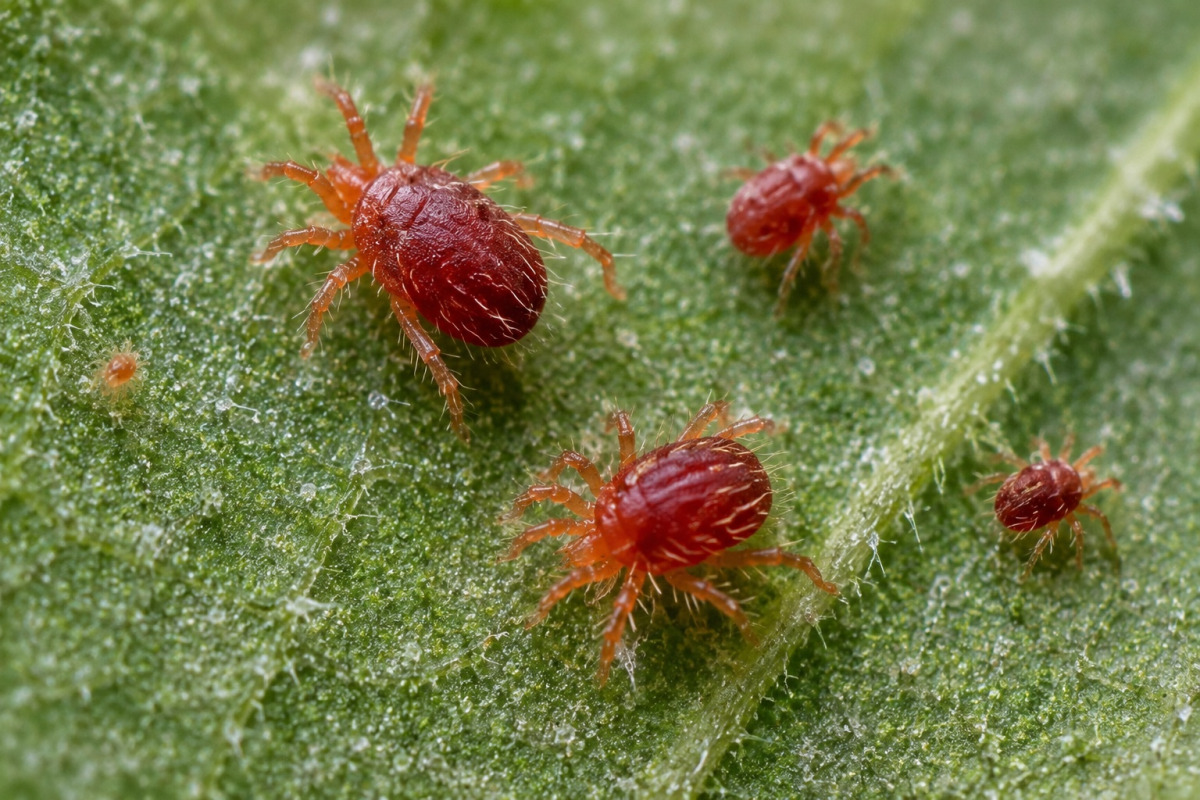
Mites Quick Facts

Size

Most pest mites are about 1/100 to 1/25 inch long and are difficult to see without magnification

Color

Varies by species; common pest mites may appear translucent, cream, tan, red, brown, or dark

How to Identify

Tiny, wingless, eight-legged arachnids; identification often requires magnification and knowledge of the host or location

Active Season

Potentially active year-round in South Florida; patterns vary by species, host availability, humidity, and weather

Indoor or Outdoor

Both; some live in bedding and fabrics, while others occur on plants, animals, stored products, or near bird and rodent nests

Day or Night

Activity varies by species. Many remain hidden in dust, fabrics, nests, plants, or on hosts rather than following a clear day-or-night schedule.

Diet

Depending on the species, mites may feed on skin flakes, plants, fungi, stored products, insects, or the blood and tissue fluids of animal hosts.

About Mites

Mites are minute arachnids in the subclass Acari, a diverse group that includes house dust mites, plant-feeding mites, stored-product mites, bird and rodent mites, and parasitic species. Most are much smaller than common insects and may look like moving specks when visible at all.

The reason for concern depends on the mite involved. Dust mite allergens may aggravate allergies or asthma in sensitive people, plant mites can injure landscaping, and bird or rodent mites may wander indoors after a host leaves a nest. Because treatment differs greatly by species, proper identification and locating the source are essential.

Where Are Mites Commonly Found?

Outdoor Habitats and Host Sites

Outdoor mites are usually associated with plants, soil, organic debris, or animal hosts rather than a single nest. Relevant sites may include:

  • Leaves, stems, flowers, and turf affected by plant-feeding mites
  • Bird nests beneath eaves, in attics, vents, trees, or signs
  • Rodent nests in attics, crawl spaces, wall voids, and storage areas
  • Soil, mulch, compost, leaf litter, and decaying organic matter
  • Stored feed, grain, seeds, dried foods, or other organic products
  • Animal bedding, poultry areas, kennels, and wildlife resting sites
  • Protected cracks and sheltered surfaces near a host or food source
  • Vegetation stressed by heat, drought, dust, or repeated irrigation

The source may be several feet from where mites are noticed, especially when bird or rodent mites disperse after a nest is abandoned or a host is removed.

Indoor Harborage Areas

Indoor locations differ by species. Common areas that may support mite activity or allergen buildup include:

  • Mattresses, pillows, bedding, and upholstered furniture
  • Carpets, rugs, curtains, and washable fabric items
  • Attics, soffits, vents, and areas below active or abandoned bird nests
  • Wall voids and utility openings near rodent nesting sites
  • Pantries or storage areas containing susceptible dried goods or animal feed
  • Humid rooms and poorly ventilated storage spaces
  • Pet bedding, cages, and areas where animals regularly rest
  • Windowsills and walls where wandering mites collect after leaving plants or nests

House dust mites remain within dust and fabrics and are generally not seen crawling. By contrast, bird, rodent, clover, or stored-product mites may become visible when they disperse from their normal food or host source.

South Florida Conditions That Support Activity

South Florida’s warmth and humidity can support several types of mites throughout the year. Conditions that may increase activity include:

  • High indoor humidity and moisture-retaining fabrics
  • Bird nests attached to or hidden within the structure
  • Rodent activity in attics, crawl spaces, walls, or storage areas
  • Dense vegetation or infested ornamental plants near windows and doors
  • Dry, dusty, or drought-stressed landscaping that favors some plant mites
  • Stored feed, grain, seeds, dried foods, or other organic products stored against the structure
  • Pet bedding or animal areas that are not routinely inspected and cleaned
  • Gaps around vents, soffits, windows, doors, and utility penetrations
  • Removal of a bird or rodent host without addressing mites left behind

Mite Behavior and Sources

Feeding Habits

Mites have highly varied feeding habits. Depending on the species, they may feed on:

  • Human or animal skin flakes and other organic debris
  • Plant sap and leaf tissue
  • Fungi, mold, pollen, and decomposing organic matter
  • Stored grain, feed, cheese, dried foods, and similar products
  • Blood or tissue fluids from birds, rodents, pets, livestock, or people, depending on the parasitic species

Because these food sources and host relationships are so different, a treatment intended for one mite may be ineffective or inappropriate for another.

Reproduction and Spread

Mites develop through egg, larval, nymphal, and adult stages, although timing varies widely. They may spread on infested plants, animals, stored materials, furniture, clothing, air currents, or by crawling from nearby nests and harborages.

Bird and rodent mites often become noticeable only after their host dies, leaves, or is removed. Clover mites may enter around windows in large numbers but do not reproduce indoors. Dust mites remain concentrated in fabrics and dust where humidity and food are favorable.

Moisture, Hosts, and Shelter

Recurring activity often continues when the source has not been identified. Supporting conditions may include:

  • Elevated indoor humidity
  • Unwashed bedding and dust-holding fabrics
  • Active bird or rodent nests
  • Pet or animal resting areas
  • Infested indoor or outdoor plants
  • Susceptible stored foods or animal feed
  • Unsealed openings near nests or vegetation
  • Cluttered storage that makes the source difficult to locate

Correcting the specific condition supporting the identified mite is an important part of long-term management.

Peak Activity

Mite activity in South Florida may occur year-round. Dust mites generally benefit from humid indoor conditions, while some plant mites increase during hot, dry, dusty weather. Bird and rodent mite complaints may begin suddenly after a nest is abandoned or wildlife is excluded.

Because seasonal patterns differ among mite groups, the timing, location, and circumstances of the first sightings are important clues during identification.

Mite-Related Concerns

Property and Landscape Concerns

Mites do not chew structural wood. However, plant-feeding mites can cause stippling, discoloration, leaf drop, webbing, and reduced plant vigor when populations are high.

Other mite activity may point to an underlying source that should be addressed, such as:

  • An active or abandoned bird nest
  • Rodent activity inside the structure
  • High humidity and accumulated dust
  • Infested plants near doors or windows
  • Contaminated stored food or animal feed
  • A pet, livestock, or wildlife host requiring veterinary or wildlife guidance

Because mites are difficult to identify without magnification, the source and type should be confirmed before selecting a control strategy.

Allergens and Product Contamination

House dust mite body parts and droppings can trigger allergic reactions or asthma symptoms in sensitized people. Storage mites may infest susceptible foods or feed, creating quality and sanitation concerns. Products showing mites, webbing, unusual dust, or deterioration should be isolated and evaluated rather than treated with pesticides.

Bites, Irritation, and Medical Concerns

Most mites found in homes do not bite people. Bird and rodent mites may bite when separated from their normal hosts, while scabies is caused by a human-specific mite and requires diagnosis and treatment by a healthcare provider.

Pest control should not be used as a substitute for medical or veterinary care. Persistent itching, a spreading rash, suspected scabies, breathing difficulty, or a severe reaction should be evaluated by an appropriate healthcare professional.

When Are Mites Active in South Florida?

South Florida’s subtropical climate can support mite activity throughout the year, but the most noticeable periods depend on the mite involved and the conditions around the property.

Activity may increase during:

  • Warm, humid indoor conditions that support dust mites
  • Hot, dry, or dusty periods that favor certain plant mites
  • Bird nesting and fledging periods near buildings
  • Rodent movement or wildlife exclusion work
  • The removal or abandonment of an animal nest
  • Movement of infested plants, stored foods, feed, furniture, or fabrics
  • Weather changes that push outdoor mites toward sheltered surfaces

Sudden indoor sightings often occur when mites leave a host, nest, plant, or stored product. Tracking where the mites first appear can help narrow the source.

Indoor dust mites and mites associated with animals or stored materials may remain active regardless of outdoor season. Outdoor plant-mite pressure may rise or fall quickly as rainfall, irrigation, temperature, and plant condition change.

How to Recognize the Source of a Mite Problem

Because “mites” describes many different arachnids, the location and circumstances matter as much as appearance. Specks moving near a windowsill may be clover mites from landscaping, while activity below an eave may point to a bird nest. Itching without visible pests requires medical evaluation rather than assumptions about household mites. Dust-mite concerns are usually connected to allergies and fabrics, not crawling mites. Stored-product mites are associated with susceptible foods or feed. Recording where activity begins, whether birds or rodents are present, and whether plants or stored materials are affected can make professional identification more efficient.

How DIY Mite Control Can Fall Short

Mite control can be incomplete when the species and source are unknown. Professional inspection is especially practical when activity keeps returning, mites are emerging near a bird or rodent nest, stored products are affected, plants are declining, or the problem cannot be confidently distinguished from a medical or veterinary issue.

  • Treating Only What Is Visible | Wiping up wandering mites may not address eggs, host animals, infested plants, stored products, bedding, or an inaccessible nest that continues producing activity.
  • Misidentifying the Mite | Dust mites, clover mites, bird mites, rodent mites, storage mites, and scabies mites have different biology and require very different responses.
  • Using Broad Sprays Without Finding the Source | Routine surface spraying may miss protected harborages and can expose people, pets, or food areas without resolving the underlying host or material.
  • Missing a Bird or Rodent Host | Mites may keep appearing until the nest or animal source is professionally addressed and nearby cracks, voids, and resting areas are evaluated.
  • Overlooking Humidity, Fabrics, or Stored Materials | Dust, bedding, pet areas, plants, feed, and susceptible pantry products may continue supporting certain mite problems.
  • Treating a Medical Condition as a Structural Pest Problem | Suspected scabies or persistent unexplained skin symptoms should be evaluated by a healthcare provider, not treated with household insecticide sprays.
mite inspection and treatment in South Florida

Lower-Impact Options

When appropriate, Pest Busterzz may prioritize source removal, exclusion, sanitation, monitoring, humidity or habitat recommendations, and precise treatment of confirmed harborages to reduce unnecessary product use.

The Pest Busterzz Mites Treatment Approach

Pest Busterzz begins by determining what type of mite is present, where it originated, and which property conditions may allow activity to continue.

01

Inspection

We inspect visible specimens and activity patterns, then check likely sources such as bedding, upholstered areas, plants, stored products, pet areas, attics, rooflines, vents, and bird or rodent nesting sites.

02

Targeted Treatment

The plan depends on the mite and inspection findings. It may involve localized applications, crack-and-crevice or void treatment, exterior source management, sanitation guidance, exclusion, plant or stored-product recommendations, or coordination with wildlife, medical, or veterinary professionals.

03

Monitoring & Follow-Up

We evaluate whether sightings decline, inspect newly identified source areas, and adjust the plan when conditions or evidence indicate that additional action is needed.

04

Prevention

Recommendations may include reducing indoor humidity, cleaning dust-holding fabrics, inspecting bedding and pet areas, discarding infested stored materials, managing affected plants, removing abandoned nests safely, and sealing relevant entry points after the source is addressed.

Yes. Many mite groups occur in South Florida, including house dust mites, plant mites, storage mites, and mites associated with birds or rodents. Warm temperatures and humidity can support some species year-round, but the source and seasonal pattern depend on the mite involved.

Mites are extremely small, wingless arachnids with eight legs as nymphs and adults. Color and shape vary, and many require magnification for reliable identification. The location—such as bedding, plants, stored food, or a bird nest—often provides a stronger clue than appearance alone.

Mites do not damage structural wood. Plant-feeding mites can injure leaves and turf, sometimes causing pale stippling, bronzing, webbing, or leaf drop. Storage mites can affect food or feed quality, while other household mites are primarily nuisance, allergen, or biting concerns.

Tiny red or reddish mites near sunny windows may be clover mites that entered from nearby turf or landscaping. They do not bite people or reproduce indoors, but crushing them can leave a red stain. Identification is still recommended because other mites can appear similar.

Activity near ceilings, vents, or upper walls may originate from a bird nest, rodent nesting area, attic, soffit, or roof void. Bird and rodent mites can disperse after the host leaves or is removed, then enter occupied rooms through small gaps.

No. House dust mites and clover mites do not bite people. Bird and rodent mites may bite when their normal hosts are unavailable. Scabies is a separate medical infestation caused by a human-specific mite and should be diagnosed and treated by a healthcare provider.

Not necessarily. A spray may miss eggs, fabrics, stored materials, plants, voids, or the bird or rodent source. Some mite concerns, including dust-mite allergens and scabies, are not appropriately solved with general household insecticide sprays.

Dust mites are managed mainly by reducing allergen reservoirs and unfavorable indoor conditions rather than traditional pest-control baiting. Washing bedding, using allergen-resistant covers, vacuuming appropriately, and managing humidity may help. People with allergy or asthma concerns should also consult a healthcare professional.

Recurring activity usually means the supporting source remains. Examples include an active nest, untreated host animal, infested plant, contaminated stored product, high humidity, accumulated fabric dust, or an overlooked entry route from an attic or exterior area.

Schedule an inspection when mites are repeatedly visible, appear after bird or rodent activity, affect several rooms, damage plants or stored materials, or cannot be identified. Seek medical or veterinary guidance separately for persistent bites, rashes, suspected scabies, or animal health concerns.

Pest Busterzz Home Icon

faqs

Mites FAQs