

Mole Cricket

Pest Busterzz Home Icon

Pest Library

Mole Cricket
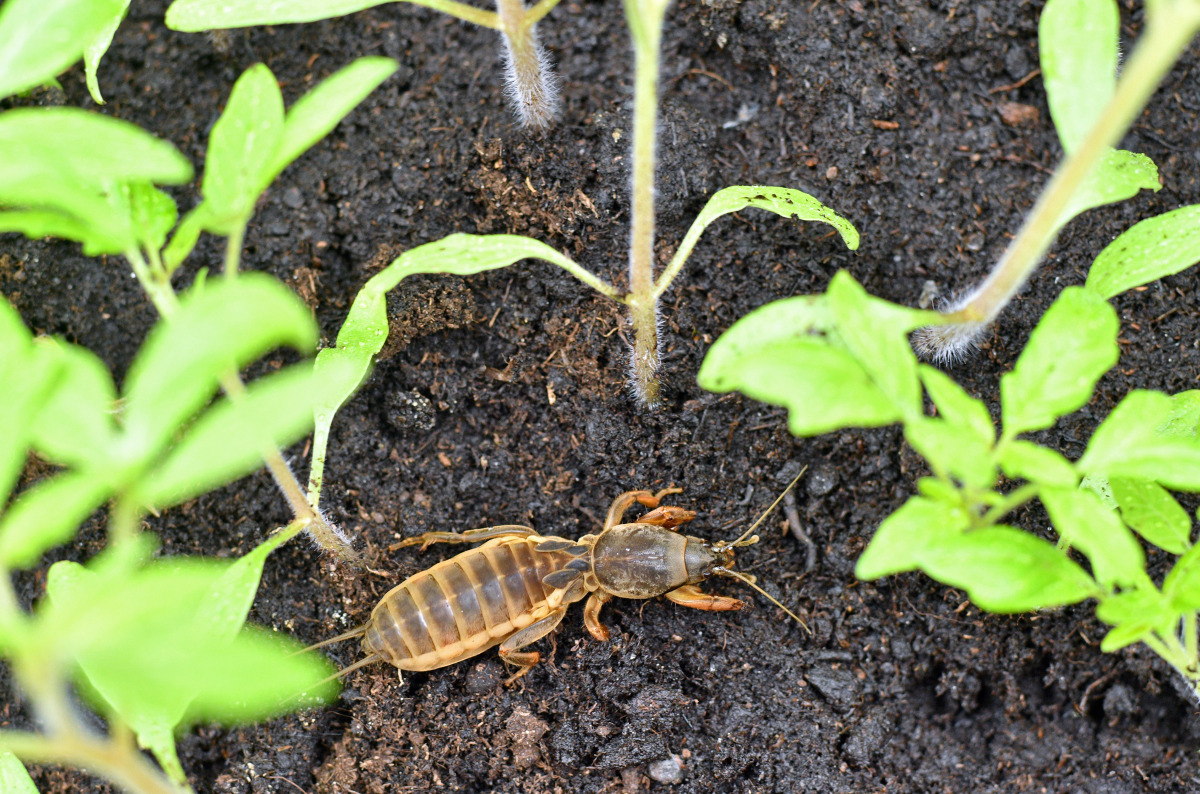
Mole Cricket Quick Facts

Size

Adults typically measure about 1 to 1½ inches long

Color

Light brown to dark brown or tawny, often with mottled markings on the body

How to Identify

Enlarged shovel-like front legs with blade-like projections used for digging, plus a cricket-like body that spends most of its time underground

Active Season

Year-round in South Florida, with heightened tunneling and surface activity in warmer, wetter months

Indoor or Outdoor

Almost entirely outdoor pests of lawns, turf, and soil

Day or Night

Mostly active at night, especially after rain or irrigation

Diet

Plant roots and shoots (especially grasses) for some species; other insects and organic matter for others

About Mole Crickets

Mole crickets are unusual orthopteran insects related to crickets and katydids. In Florida the main pest species are the tawny mole cricket (Neoscapteriscus vicinus), southern mole cricket (Neoscapteriscus borellii), and short-winged mole cricket (Neoscapteriscus abbreviatus). These non-native insects live almost entirely underground and use their powerful, shovel-shaped front legs to tunnel through soil. South Florida homeowners and property managers often notice them when raised tunnels appear across lawns or when patches of grass begin to thin and die. The primary concern is landscape damage rather than indoor infestation or health risks. Because the insects remain hidden most of the time, activity can go unnoticed until tunneling and root feeding become obvious.

Where Are Mole Crickets Commonly Found?

Outdoor Habitats

Mole crickets spend nearly their entire lives in the soil. They prefer moist, sandy or light-textured soils that are easy to dig. Typical outdoor locations include:

  • Home lawns and residential turf
  • Golf-course fairways, tees, and greens
  • Athletic fields and parks
  • Pastures and forage areas
  • Garden beds and landscape plantings
  • Areas with frequent irrigation or naturally moist soil

Females construct underground egg chambers a few inches to a foot below the surface. Nymphs and adults remain in the soil, moving closer to the surface at night to feed.

Indoor Presence

These insects rarely enter buildings. Any indoor sightings are usually accidental and short-lived, often after heavy rain or when individuals are attracted to outdoor lights.

South Florida Conditions That Support Activity

South Florida properties can provide favorable mole cricket conditions because of the region’s warmth, sandy soils, frequent rainfall, and widespread warm-season turfgrasses. Risk may increase when a property has:

  • Bahiagrass or bermudagrass lawns
  • Consistently moist or irrigated soil
  • Sandy or light-textured soils that are easy to tunnel
  • Heavy rainfall or frequent irrigation cycles
  • Stressed or thinning turf that offers less resistance to root feeding
  • Large open turf areas such as yards, fields, or commercial landscapes

Mole Cricket Behavior and Feeding

Feeding Habits

Feeding preferences differ among species. Depending on the mole cricket present, individuals may seek:

  • Grass roots and blades (especially tawny and short-winged mole crickets)
  • Other soil insects and organic matter (southern mole cricket is largely carnivorous)
  • Seedlings and tender plant material in gardens or landscape beds

Tunneling alone can loosen soil and sever roots even when feeding on plants is limited.

Underground Lifestyle

Mole crickets spend almost their entire lives below the surface. They create extensive surface tunnels and deeper burrows where they rest, feed, and lay eggs. Most movement and feeding occur at night, particularly after rain or irrigation when the soil is softer.

Adults of the flying species may take short dispersal flights on warm evenings and can be attracted to lights. Males produce a calling song from the entrance of their burrows to attract females. When disturbed, some individuals freeze or move quickly deeper into the soil.

Peak Daily Activity

Surface activity is mainly nocturnal. After rain or irrigation the insects move nearer the soil surface to feed and extend tunnels. Visible raised trails are often most noticeable in the morning. Populations can contain mixed species on the same property, and feeding preferences differ among them. Because the insects live underground, visible surface activity represents only a fraction of the total population present in the soil.

Damage and Concerns

Landscape and Turf Damage

The main issue with mole crickets is damage to turf and landscape plants. Tunneling near the surface loosens soil, severs roots, and creates a spongy feel underfoot. Feeding on roots and shoots can produce irregular brown or thinning patches that later fill with weeds. In severe cases large areas of lawn may die and require renovation.

Additional disruption can occur when predators such as birds, armadillos, or raccoons dig into the turf while hunting the insects.

Health and Indoor Concerns

Mole crickets do not transmit disease to people or pets, do not infest indoor spaces in a meaningful way, and are not known to bite or sting under normal circumstances. They are primarily a landscape and turf concern. On commercial properties or highly maintained lawns the cosmetic and functional damage can become noticeable and costly to repair if populations remain high.

When Are Mole Crickets Active in South Florida?

In South Florida mole crickets remain active throughout the year because of the mild climate. Peak surface tunneling and feeding typically increase during warmer, wetter periods.

Activity may increase during:

  • Spring and early summer when eggs hatch and young nymphs feed near the surface
  • Late summer to early fall as larger nymphs and adults become more active
  • Periods of heavy rainfall or frequent irrigation
  • Warm soil temperatures that encourage movement closer to the surface
  • Additional adult flight periods that can occur in southern Florida for some species

Southern Florida can support more than one generation per year for some species, leading to extra periods of adult flight and egg-laying. Cooler or drier stretches may reduce visible activity without eliminating the population. Adults that overwinter or remain in the soil resume tunneling and feeding when conditions warm and moisture returns. Sudden increases in surface tunnels after storms or heavy watering are common.

Why DIY Mole Cricket Control May Fall Short

Mole cricket management is challenging because the insects live almost entirely underground. Professional service becomes the more practical next step when tunneling returns after home treatments, large areas of turf are affected, or identification is uncertain.

  • Treating Only Surface Activity | Surface sprays often kill only the insects near the top of the soil at the moment of application. Eggs, deeper nymphs, and adults frequently survive.
  • Missing Eggs and Deeper Stages | Eggs are laid in protected soil chambers that are difficult to reach with typical over-the-counter products. Treating only visible tunnels leaves the next generation ready to resume activity.
  • Species Differences | Different mole cricket species have different feeding habits. A single product or approach may not match the insects present on a given property.
  • Reinfestation from Surrounding Areas | Residual populations or insects from neighboring untreated turf can recolonize treated areas.
  • Timing Challenges | Applications made when most individuals are large and less vulnerable often produce disappointing results. Correct timing relative to egg hatch and nymph stages is difficult without professional monitoring.
mole cricket treatment in South Florida

Lower-Impact Options

When appropriate, Pest Busterzz emphasizes precise placement, habitat modification, and monitoring to limit unnecessary product use while still addressing the source of activity.

The Pest Busterzz Mole Cricket Treatment Approach

Pest Busterzz focuses on identifying the insects, evaluating the extent of soil activity, and addressing the conditions that support mole crickets on the property.

01

Inspection

Technicians examine the lawn and landscape for tunneling, spongy turf, thinning grass, and other signs of mole cricket activity. They identify the pest when possible, assess the extent of soil disturbance, and note moisture levels, soil type, irrigation patterns, and turf conditions that support the insects.

02

Targeted Treatment

Treatment plans are developed from the inspection findings and the specific conditions on the property. Options may include exterior soil-directed applications, habitat adjustments, and other methods matched to the life stages and locations of the mole crickets present. The approach is tailored rather than one-size-fits-all.

03

Monitoring & Follow-Up

Follow-up visits check for continued tunneling or new activity, evaluate treatment response, and allow adjustments if additional problem areas appear. The schedule depends on the severity of activity and seasonal conditions.

04

Prevention

Recommendations focus on reducing the conditions that favor mole crickets. These may include improving drainage, adjusting irrigation to avoid constantly saturated soil, maintaining healthy turf that can better tolerate minor feeding, and addressing bare or stressed areas that invite further damage.

Yes. The region’s warm climate, sandy soils, frequent rainfall, and widespread warm-season turfgrasses create favorable conditions for the three non-native pest species. Activity can occur year-round, though visible damage is often most noticeable during warmer, wetter periods.

Raised surface tunnels, a spongy feel underfoot, and irregular thinning or brown patches are classic signs. White grubs and some other soil insects can produce similar dead patches, so professional confirmation is helpful when the cause is unclear.

They are almost exclusively outdoor soil insects. Occasional individuals may wander onto a patio or into a garage after heavy rain or when attracted to outdoor lights, but they do not establish indoor populations or nests.

No. They do not transmit disease, and they are not known to bite or sting under ordinary circumstances. The primary concern is damage to turf and landscape plants.

Moisture softens the soil and brings mole crickets closer to the surface to feed and extend tunnels. After irrigation or storms the raised trails become more visible, especially in the morning.

Surface treatments often kill only the insects that happen to be near the top of the soil at the moment of application. Eggs, deeper nymphs, and adults frequently survive, allowing activity to return. Timing and thorough soil coverage are difficult to achieve with typical homeowner products.

Not necessarily. Light activity may cause only minor cosmetic issues. When tunnels are widespread, large areas of turf are thinning, or the problem reappears after treatment, the population is more likely to need professional attention.

Because the insects remain active year-round, treatment can be considered whenever damage becomes unacceptable. Many managers focus efforts when young nymphs are near the surface in late spring and early summer, or when adult and large-nymph activity increases later in the season.

Pest Busterzz Home Icon

faqs

Mole Cricket FAQs