

Oriental Cockroach

Pest Busterzz Home Icon

Pest Library

Oriental Cockroach Control in South Florida
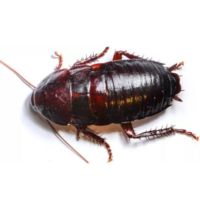
Oriental Cockroach Quick Facts

Size

About 1 to 1 1/4 inches long as an adult

Color

Very dark brown to nearly black, often with a shiny or greasy appearance

How to Identify

Broad, dark body; females have short wing pads, while males have wings that cover only part of the abdomen

Active Season

May remain active year-round in protected South Florida sites, with outdoor movement often more noticeable during warm, wet weather

Indoor or Outdoor

Found both outdoors and indoors, especially near drains, sewers, crawl spaces, utility areas, mulch, and damp ground-level spaces

Day or Night

Mostly active at night and usually hides in dark, moist areas during the day

Diet

Decaying organic matter, garbage, food residue, sewage-associated material, and other available foods

About Oriental Cockroaches

The Oriental cockroach, Blatta orientalis, is a dark, moisture-seeking cockroach sometimes called a “water bug.” Adults are broad-bodied and very dark brown to nearly black. Females have only small wing pads, while males have wings that stop short of the end of the abdomen; neither sex is considered capable of sustained flight.

These cockroaches are associated with cool, dark, damp places and are often encountered near drains, sewers, crawl spaces, utility rooms, trash areas, and wet landscaping. In South Florida, a sighting may point to a moisture, drainage, sanitation, or entry-point issue. Their movement through unsanitary areas and into occupied spaces makes accurate identification and source-focused control important.

Where Are Oriental Cockroaches Commonly Found?

Outdoor Harborage Areas

Oriental cockroaches usually remain close to moisture and decomposing organic material. Common outdoor locations include:

  • Beneath damp leaf litter and mulch
  • Under stones, landscape timbers, and ground-level debris
  • Inside water meter boxes and valve pits
  • Around sewer openings and exterior drains
  • Near garbage containers and waste areas
  • In crawl spaces and beneath porches
  • Along shaded foundations with poor drainage
  • In other protected areas where moisture and decaying material collect

They tend to stay at or below ground level and are less likely than some other cockroach species to occupy high cabinets, upper walls, or dry rooms.

Indoor Hiding Places

When Oriental cockroaches enter homes or commercial buildings, they usually settle in cool, dark, humid locations near the point of entry. Common indoor sites include:

  • Floor drains and drain-adjacent voids
  • Under sinks, washing machines, and utility equipment
  • Crawl spaces and ground-level storage rooms
  • Pipe chases and plumbing penetrations
  • Mechanical rooms and damp service corridors
  • Basement-like or below-grade areas where present
  • Trash rooms, compactors, and chute areas
  • Spaces affected by leaks, condensation, or poor ventilation

Indoor activity is often concentrated near the floor. Repeated sightings away from drains or ground-level entry points may indicate that cockroaches are traveling through concealed plumbing or utility pathways.

South Florida Conditions That Support Activity

Although Oriental cockroaches are often associated with cooler climates, UF/IFAS recognizes the species in Florida. South Florida properties can still provide suitable protected microhabitats, especially where shade, irrigation, plumbing, waste, and persistent moisture overlap. Activity may be supported by:

  • Leaking pipes, faucets, or air-conditioning condensate
  • Poorly draining ground beside foundations
  • Uncovered, damaged, or infrequently used drains
  • Wet mulch, leaf litter, and dense ground cover
  • Garbage residue or organic debris
  • Gaps beneath exterior doors and around utility lines
  • Unsealed crawl-space, vent, or service openings
  • Stormwater, sewer, or plumbing conditions that provide movement routes
  • Cool, shaded areas that stay damp after rain or irrigation

Oriental Cockroach Behavior and Attractants

Feeding Habits

Oriental cockroaches are scavengers that feed on available organic material. Depending on the location, they may consume:

  • Decaying plant and animal matter
  • Garbage and residue around waste containers
  • Food crumbs, grease, and spills
  • Pet food and other accessible stored foods
  • Organic buildup in drains, sewers, and damp service areas

Water availability strongly influences where they persist. Dampness can support activity even where food is limited, while dry conditions may encourage movement toward drains, kitchens, utility areas, and irrigated landscaping.

Breeding and Movement

Females produce egg capsules and leave them in protected locations near food and moisture. Nymphs resemble smaller, wingless adults and pass through multiple molts before maturing. Development can be relatively slow compared with some indoor cockroach species.

Oriental cockroaches usually move at night and stay close to the ground. They may enter beneath doors, through vents, around pipes, through drain systems, or with items brought in from damp storage areas. Their movement is often slower and less agile than that of American or German cockroaches.

Moisture and Shelter

Persistent Oriental cockroach activity is commonly supported by cool, damp shelter. Contributing conditions may include:

  • Plumbing or drain leaks
  • Condensation around appliances and mechanical equipment
  • Standing water or chronically wet floors
  • Poor crawl-space ventilation
  • Damaged drain covers or sewer connections
  • Overwatered landscaping beside the structure
  • Wet mulch and accumulated leaf debris
  • Trash residue and inaccessible organic buildup

Reducing these conditions helps make the property less suitable and can limit reinfestation from nearby exterior or plumbing sources.

Peak Activity

They are primarily nocturnal, so live cockroaches may be noticed after lights are turned on at night. Heavy rain, flooding, plumbing disturbances, or saturated outdoor harborages can push them toward drier indoor shelter. During drought, they may also move indoors in search of dependable moisture.

Adults may become more noticeable during warmer periods, but protected populations can persist through the year in South Florida. Indoor temperature, moisture, and access to drains may matter more than the calendar alone.

Oriental Cockroach Concerns

Sanitation and Food Areas

Oriental cockroaches frequently occupy sewers, drains, garbage areas, and decomposing organic material. When they enter kitchens, pantries, break rooms, or food-handling spaces, they can soil surfaces and food with material picked up on their bodies or left behind as droppings.

Evidence that may require attention includes:

  • Live or dead dark cockroaches near drains or ground-level rooms
  • Dark droppings or spotting in damp hiding places
  • Egg capsules in protected cracks or debris
  • Cast skins from developing nymphs
  • A musty or unpleasant odor where activity is heavy
  • Repeated sightings around waste, plumbing, or food-storage areas

Correct identification matters because Oriental cockroaches can be mistaken for other dark cockroaches, while treatment priorities differ by species and source.

Allergen Concerns

Cockroach droppings, saliva, shed skins, and body fragments contain proteins that may trigger allergic reactions or asthma symptoms in sensitive individuals. This does not mean every sighting creates an immediate medical emergency, but recurring indoor activity should be addressed, especially in homes, schools, healthcare settings, and businesses where susceptible people may be present.

Bites and Structural Damage

Oriental cockroaches are not known for biting people under ordinary conditions, and they do not sting. They also do not consume or weaken structural wood. Their presence is better understood as a sanitation and moisture-related pest issue rather than a wood-destroying infestation.

Because they may travel from drains, sewers, garbage areas, and other unsanitary sites, professional evaluation is appropriate when sightings continue, when food areas are affected, or when the source cannot be located.

When Are Oriental Cockroaches Active in South Florida?

Oriental cockroaches may remain active year-round in protected South Florida environments, although their visibility changes with moisture, temperature, rainfall, and building conditions.

Activity may become more noticeable during:

  • Warm, humid periods that support outdoor movement
  • Heavy rain that saturates mulch, crawl spaces, and ground-level harborages
  • Flooding or sewer and drain disturbances
  • Drought that sends cockroaches toward indoor water sources
  • Periods of increased irrigation or plumbing leakage
  • Waste buildup or sanitation changes around a property
  • Construction, landscaping, or cleanup that disturbs established hiding places

Sudden indoor sightings often follow a change in the environment rather than a new infestation appearing overnight. Water movement, storm conditions, repairs, or disturbed debris can redirect cockroaches through door gaps, vents, utility penetrations, and drain-connected spaces.

Because South Florida winters are mild, protected populations may not disappear during cooler weather. They may simply remain hidden in drains, crawl spaces, plumbing voids, and sheltered outdoor sites until conditions encourage movement again.

Signs an Oriental Cockroach Problem May Be Developing

One nighttime sighting near an exterior door may be an occasional invader, but repeated evidence deserves a closer look. Watch for dark adults or smaller wingless nymphs near floor drains, plumbing fixtures, trash rooms, crawl-space access points, and damp storage areas. Egg capsules, shed skins, dark spotting, or a persistent musty odor can also indicate that cockroaches are sheltering nearby. Seeing different life stages suggests that more than a single wandering adult may be present. Because Oriental cockroaches usually remain low and close to moisture, sightings in dry or elevated rooms may point to movement through pipe chases, utility voids, or connected spaces elsewhere in the building.

Why DIY Oriental Cockroach Control Falls Short

Seeing one cockroach does not always reveal where the problem begins. Oriental cockroaches may be entering from a drain, sewer connection, crawl space, wet landscape bed, trash area, or neighboring part of a building. Professional service becomes a practical next step when sightings repeat, food areas are affected, cockroaches emerge from drains, or moisture and entry conditions are difficult to locate.

  • Treating Only Visible Cockroaches | Contact sprays may kill exposed adults or nymphs without reaching egg capsules and hidden harborages in drains, crawl spaces, utility voids, or exterior ground-level areas.
  • Misidentifying the Species | Oriental cockroaches can be confused with other dark cockroaches. The likely source, preferred habitat, and useful treatment locations depend on correct identification.
  • Overlooking Drains and Utility Routes | Treating a room without checking floor drains, pipe penetrations, sewer pathways, vents, and adjacent service spaces may leave the main route untouched.
  • Missing Exterior Harborages | Wet mulch, leaf litter, valve boxes, crawl spaces, garbage areas, and poor drainage can continually supply new cockroaches even after indoor sightings decline.
  • Leaving Moisture Uncorrected | Leaks, condensation, standing water, and chronically damp landscaping can keep the property attractive and reduce the durability of treatment results.
  • Unsafe or Scattered Applications | Applying products in drains, food areas, or occupied spaces without following the label can create unnecessary risk and may still fail to reach the source.
Oriental cockroach treatment in South Florida

Lower-Impact Options

When appropriate, Pest Busterzz may emphasize monitoring, precise bait placement, exclusion, sanitation, moisture correction, and habitat modification to reduce unnecessary product use.

The Pest Busterzz Oriental Cockroach Treatment Approach

Pest Busterzz develops the treatment plan after identifying the cockroach and determining whether activity is tied to drains, plumbing, waste areas, exterior harborages, or another moisture-supported source.

01

Inspection

We identify the cockroach species, assess the extent of activity, and inspect drains, plumbing penetrations, crawl spaces, trash areas, damp utility zones, entry points, and exterior ground-level harborages.

02

Targeted Treatment

Based on the findings, the plan may include targeted baiting, crack-and-crevice or void treatment, exterior management, exclusion, sanitation recommendations, and breeding-site reduction. Placement depends on where activity is found.

03

Monitoring & Follow-Up

We monitor sightings and trap activity, evaluate results, and adjust the plan when additional drain routes, hiding places, or exterior sources are discovered. Follow-up needs depend on the conditions found.

04

Prevention

Recommendations may include repairing leaks, improving drainage and ventilation, cleaning waste areas, reducing wet mulch and debris, covering or maintaining drains, and sealing gaps beneath doors and around utilities.

Oriental cockroaches occur in Florida, but they are not necessarily the most common cockroach at every South Florida property. They are most likely where cool, shaded, damp sites remain available, including drains, crawl spaces, utility areas, wet landscaping, and waste-handling locations.

Adults are very dark brown to nearly black and about an inch long. Females have broad bodies with short wing pads. Males have longer wings that cover only part of the abdomen. Both usually stay near ground level and move more slowly than American cockroaches.

Oriental cockroaches are darker, broader, and generally smaller than adult American cockroaches. American cockroaches are reddish-brown with a pale border behind the head and have full-length wings. Oriental cockroaches are nearly black, and their wings are reduced or shorter than the abdomen.

They may be drawn to plumbing leaks, organic buildup, damaged drain covers, or humid voids around the pipe. A recurring pattern near one drain can suggest a nearby harborage or a route connected to a sewer, crawl space, or damp utility area.

Although they are usually found at or below ground level, they can move through pipe chases, wall voids, trash chutes, and utility pathways. In multi-unit or commercial buildings, the source may be an adjacent service area rather than the room where one is seen.

Oriental cockroaches do not sting and are not known for biting people under normal conditions. The more relevant concerns are contamination of food or surfaces and exposure to cockroach allergens where indoor activity is recurring.

A spray may kill the cockroaches it contacts, but it may not reach egg capsules, concealed drain or crawl-space harborages, or an exterior source. Repeated use can also scatter treatment without correcting moisture, sanitation, or entry conditions.

Baits can be useful when the formulation and placement match the inspection findings. Competing food, excess moisture, poor placement, or treatment in the wrong area can reduce results. Baits should always be used according to the product label.

Recurring activity may come from an untreated drain or sewer route, hidden egg capsules, a damp crawl space, neighboring units, or exterior harborages. Leaks, wet mulch, waste buildup, and door or utility gaps can also continue supporting new activity.

Schedule an inspection when sightings continue, cockroaches appear during the day, multiple life stages are present, food areas are affected, or activity seems connected to drains, sewer odors, crawl spaces, or persistent moisture. These signs make source identification especially important.

Pest Busterzz Home Icon

faqs

Oriental Cockroach FAQs